
The Power of the Playground: Why Outdoor Time is Essential in Nursery
Outdoor Learning in Nursery Schools

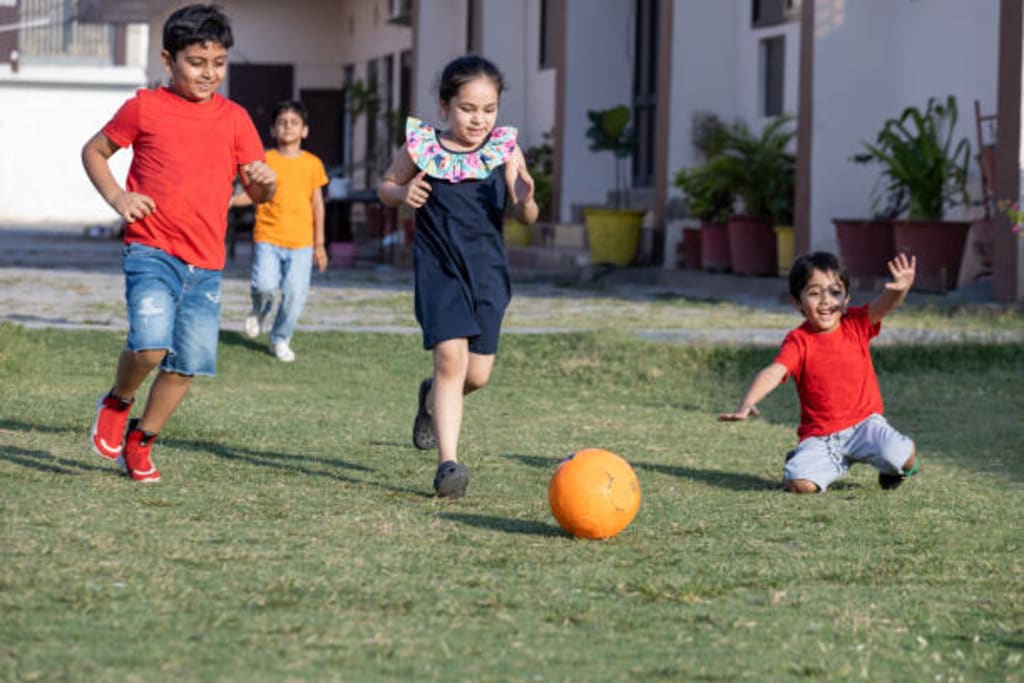
For young children, learning doesn’t happen only inside the classroom. In fact, some of the most powerful lessons are absorbed under the open sky, with muddy hands, grass-stained knees, and laughter echoing across the playground.
Outdoor time in nurseries is far more than just “letting off steam”—it plays a central role in physical development, emotional growth, social learning, and even academic readiness.
In today’s early education landscape, nurseries that prioritise outdoor play are not only giving children freedom to explore but also laying down a foundation for skills that last a lifetime.
The Physical Foundation: Building Strength Through Play
Children naturally want to move, climb, and explore, and outdoor environments offer the perfect stage for this instinct. Whether it’s balancing on a log, racing a friend across the playground, or pushing a swing as high as it can go, every movement builds essential motor skills.
Outdoor activities improve:
- Gross motor skills (running, jumping, climbing).
- Fine motor skills (digging in sand, picking up twigs, pouring water in mud kitchens).
- Spatial awareness and balance, thanks to uneven terrain and varied play equipment.
Unlike structured indoor play, outdoor activities demand quick decisions and constant adaptation. A child figuring out how to climb a rope ladder, for example, is also building problem-solving skills, perseverance, and confidence.
Mind and Mood: The Emotional Benefits of Fresh Air
The outdoors has a calming, restorative effect that classrooms can rarely replicate. Sunlight boosts vitamin D, which supports mood regulation, while movement helps children release excess energy, making them more settled and attentive once back indoors.
Outdoor spaces also allow children to experience risk and challenge in a safe way. Climbing to the top of a slide, balancing on stepping stones, or building a den with friends helps develop resilience and self-belief. Small achievements outdoors quickly turn into big confidence boosts.
For many children, the playground becomes a safe outlet for emotional expression—a place to shout, laugh, or even work through frustrations while learning how to self-regulate.
The Social Classroom: Friendships and Teamwork in Action
One of the greatest gifts of outdoor time is how it fosters social growth. On the playground, children negotiate roles in imaginative games, practice turn-taking, and learn how to handle both winning and losing. These moments are the early seeds of empathy, leadership, and cooperation.
For example, a group of children building a fort in a sandpit is more than just play—it’s teamwork in action. They are sharing ideas, solving problems together, and making compromises to reach a common goal.
These lessons are invaluable when they later join more structured environments like a preparatory school in Surrey, where collaboration is a vital part of academic and extracurricular life.
Nature as Teacher: Outdoor Play and Curiosity
Outdoor environments invite curiosity. Leaves, sticks, bugs, and puddles are all tools for exploration, sparking the “why” questions that build critical thinking.
Activities like planting seeds, searching for worms, or watching clouds help children connect with the natural world while learning science concepts in the most engaging way possible.
These early experiences often ignite lifelong passions for the environment, gardening, or even science and engineering. Nurseries that integrate “forest school” approaches—where children spend structured time outdoors engaging with nature—are especially successful in nurturing curiosity and resilience.
From Playgrounds to Prep Schools: A Continuum of Learning
Outdoor learning doesn’t stop at nursery. In fact, the values instilled in early years education form the basis of a child’s journey through primary and beyond.
Parents who explore schools in Wallington will notice that many of these institutions embrace outdoor learning through sports, nature trails, and outdoor classrooms, recognising its role in building confidence and creativity.
This continuity ensures that children transition smoothly from nursery playgrounds to the playing fields and outdoor programs of primary and prep schools, keeping curiosity alive at every stage.
What Makes a Great Outdoor Nursery Space?
Not all playgrounds are created equal. To maximise benefits, nurseries often design outdoor spaces with variety and inclusivity in mind. A well-balanced outdoor area should offer:
- Active zones – climbing frames, slides, and open fields for running.
- Quiet corners – garden benches, story circles, or sensory paths for reflection.
- Creative spaces – mud kitchens, sandpits, and building blocks.
- Nature zones – mini-gardens, bug hotels, or ponds to spark discovery.
By offering different types of play opportunities, nurseries ensure that every child—whether shy, active, or imaginative—has a place where they feel engaged and challenged.
Practical Examples of Outdoor Activities for Nurseries
Parents often wonder what outdoor learning looks like in practice. Here are some examples that nurseries successfully implement:
- Mini gardening projects – planting sunflowers, herbs, or vegetables.
- Treasure hunts – searching for natural objects like pinecones, feathers, or stones.
- Story time outdoors – bringing books into the fresh air for a new experience.
- Water play – pouring, splashing, and experimenting with flow.
- Imaginative role play – turning climbing frames into castles or pirate ships.
Each activity combines fun with real learning outcomes, from science and maths concepts to social-emotional skills.
Final Thoughts: A Playground for Life
The power of the playground goes far beyond slides and swings. It is a space where children’s bodies grow stronger, their minds calmer, and their social skills sharper. Most importantly, it offers freedom—a chance to explore, to imagine, and to learn in ways that cannot always be replicated indoors.
Nurseries that prioritise outdoor play are not simply giving children a daily break; they are shaping resilient, curious, and confident individuals. And for parents, choosing a nursery that understands the importance of outdoor time is one of the best steps they can take to support their child’s holistic growth.
In the end, a well-designed playground is more than a play space—it’s a launchpad for lifelong learning.
About the Creator
William Henry
At Best Independent Schools UK, we are here to make your journey smoother by providing detailed information about some of the best nurseries and preparatory schools in England
Keep reading
More stories from William Henry and writers in Education and other communities.
Celebrating Differences: Teaching Inclusion and Respect in Nursery
When parents think about nursery education, they often imagine play-based learning, early reading, and songs echoing through colourful classrooms. Yet beyond phonics, counting, and play, one of the most powerful lessons nurseries can impart is inclusion—the ability to recognise, respect, and celebrate differences.
By William Henry7 months ago in Education
Reel Cap Components in Aerospace Electronics: History, Function, and Aviation Applications
Introduction: My Experience Exploring Reel Cap Components When I started researching aerospace electronic components, I discovered that even the smallest hardware pieces play a crucial role in aircraft systems. One such component that caught my attention was the Reel Cap, an often overlooked but essential element in electronic component packaging, aviation circuitry, and aerospace manufacturing systems.
By Beckett Dowhan7 days ago in Education
Client Confidence First: Building Trust Through Open Communication in Finance
Client confidence represents the foundation of every successful financial relationship. When clients trust their advisors, institutions, or service providers, they feel secure making important decisions about their money. Because financial choices often involve long-term planning and significant risk, clients need clarity and reassurance. Therefore, professionals who prioritize confidence build stronger, more stable partnerships.
By Michael Christopher Venturinoabout 8 hours ago in Education


Comments
There are no comments for this story
Be the first to respond and start the conversation.