
The Power of Play: How Gamification Can Help You Overcome Pandemic Brain
"Unlocking Resilience, Motivation, and Creativity Through Fun and Games During Challenging Times"


Our daily lives have changed significantly as a result of the COVID-19 epidemic, including how we work and learn. People have been spending more time in front of screens due to the growth of remote employment and online education, which some have dubbed "Pandemic Brain." The term "Pandemic Brain" alludes to the mental exhaustion and burnout brought on by excessive screen time as well as the stress of the epidemic. Gamification has become a promising remedy for this problem. This post will examine the value of play and demonstrate how gamification might aid in the fight against Pandemic Brain.
What is Gamification?
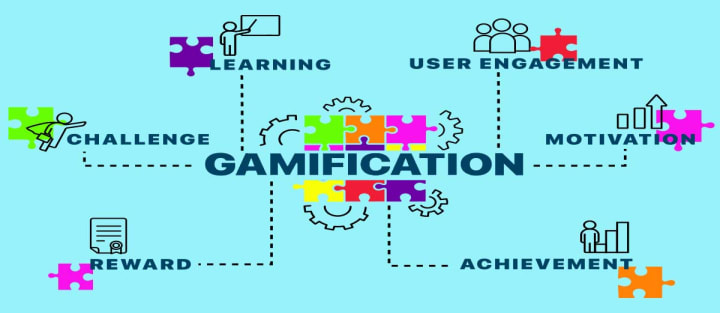
Gamification is the process of incorporating game-like components into non-game environments, such work or education, in order to boost motivation and engagement. These components can include, among others, awards, points, badges, and challenges. Gamification aims to increase the task's enjoyment and motivation so that more people will finish it and engage with it over time.
"Defeating Pandemic Brain requires taking proactive steps to maintain your mental health during these challenging times. Make time for self-care activities, such as exercise, meditation, and connecting with loved ones. Limit exposure to negative news and social media, and prioritize activities that bring you joy. Seek support from a mental health professional if you are struggling to cope. Together, we can overcome pandemic brain and emerge stronger than before. Take action now to prioritize your mental health and well-being."
Benefits of Gamification
Gamification has been shown to have numerous benefits, including:
1. Increased Motivation:
Gamification, the process of incorporating elements of games into tasks, can boost motivation and engagement. If a task is pleasurable and gratifying, people are more likely to finish it, which can enhance productivity and job satisfaction.
2. Improved Learning and Retention:
By making instructional content more interactive and interesting, gamification can help increase learning and retention. Gamification can aid students in learning material more efficiently by breaking complicated concepts down into smaller, more digestible chunks and introducing elements of play.
3. Enhanced Problem-Solving Skills:
By posing problems and hurdles that call for innovative thinking and problem-solving skills, gamification can aid in the development of problem-solving skills. Gamification can aid in the development of critical thinking abilities that can be used in real-world circumstances by offering a secure and enjoyable setting for experimentation and exploration.
How Gamification Can Help with Pandemic Brain
Mental exhaustion, burnout, and poor productivity can result from Pandemic Brain. By offering a pleasant and interesting approach to break up the monotony of prolonged screen usage and lessen tension and anxiety, gamification can help battle these problems.
1. Reducing Stress and Anxiety:
By giving users a sense of control and accomplishment, gamification can help people feel less stressed and anxious. Gamification can help lessen the feeling of overwhelm that can result from spending a lot of time in front of a screen by breaking activities down into smaller, more manageable portions and rewarding progress.
2. Boosting Mood and Productivity:
By offering a pleasant and interesting approach to perform chores, gamification can also improve mood and productivity. Gamification can make even boring jobs more pleasant by including elements of play and competition, which motivates individuals to finish them more quickly and effectively.
3. Improving Focus and Memory:
Through the creation of an organized and engaging environment for learning and problem-solving, gamification can help enhance concentration and memory. Gamification helps people stay focused and retain information more successfully by breaking down tasks into smaller, more manageable portions and introducing elements of play and competition.
Examples of Gamification in Practice
There are many examples of gamification in practice, across a variety of industries and contexts. Some popular examples include:
1. Duolingo Language Learning App:
With the use of gamification, the language-learning programmed Duolingo makes learning a new language enjoyable and interesting. The game-like components found in the programme, such as points, levels, and badges, as well as the difficulties and incentives that it offers, encourage users to keep practicing.
2. Fitbit Fitness Tracker:
In order to motivate users to work out and maintain their level of activity, Fitbit, a fitness tracker, uses gamification. To keep users motivated and interested, the device tracks steps taken, calories burned, and other stats while also offering prizes and challenges.
3. Habitica Habit-Tracking App:
Habitica is a habit-tracking tool that use gamification to assist users in creating and keeping wholesome routines. The software has game-like components including points, levels, and prizes, as well as social aspects and challenges that motivate users to stick with it.
Creating Your Own Gamified Solutions
If you're interested in incorporating gamification into your work or learning, there are many tools and resources available to help you get started. Some tips for creating your own gamified solutions include:
- Identify the specific behaviors or actions you want to encourage
- Determine the game-like elements that will best motivate and engage your audience
- Create a system of rewards and challenges that align with your goals
- Test and iterate your gamified solution to optimize for engagement and effectiveness
Conclusion
Pandemic Brain, a condition brought on by excessive screen time and the stress of dealing with the pandemic, is one of the hardships that the COVID-19 pandemic has brought about. In order to counteract mental exhaustion and burnout, gamification offers a promising alternative that is enjoyable and engaging. Gamification, the addition of game-like aspects to work and learning situations, can boost motivation, improve learning and retention, and improve problem-solving abilities. Making your own gamified solutions is now simpler than ever thanks to the wealth of tools and resources available.
FAQs
1. What is Pandemic Brain?
A: Pandemic Brain refers to the mental fatigue and burnout caused by extended screen time and the stress of dealing with the COVID-19 pandemic.
2. How does gamification work?
A: Gamification works by adding game-like elements to non-game contexts, such as work or education, to increase engagement and motivation.
3. Are there any risks associated with gamification?
A: Some potential risks associated with gamification include a focus on extrinsic rewards over intrinsic motivation and potential addiction to the game-like elements.
4. Can gamification be used in education?
A: Yes, gamification can be used in education to make learning more interactive and engaging.
5. How do I get started with gamification?
A: To get started with gamification, identify the specific behaviors or actions you want to encourage, determine the game-like elements that will best motivate and engage your audience, create a system of rewards and challenges that align with your goals, and test and iterate your gamified solution to optimize for engagement and effectiveness.
Disclaimer: Please note that some of the links on this website are affiliate links. This means that at no additional cost to you, I may earn a commission if you click through and make a purchase. I only recommend products and services that I have personally used and believe will add value to my readers.
About the Creator
Aditi
I Love to Write, I hope you love to read
How Regulatory Rules Are Reshaping the Complexity of Modern Lending Facilities
Lending facilities are a core component of the financial system, enabling banks and financial institutions to provide liquidity, manage credit flow, and support economic stability. In today’s highly regulated financial environment, regulatory compliance, financial regulations, and lending rules have become central to how these facilities function. As oversight increases, lenders must navigate a growing web of requirements that directly affect the structure, speed, and accessibility of lending facilities.
By Eric Kleiner7 days ago in Education
Scaling Smart: Growing Your Small Business on a Tight Budget
Growing a small business doesn’t require massive capital or a large team—it requires intelligent decision-making and a resourceful mindset. Many successful companies started with limited budgets and used creativity and strategic planning to expand. If you're working with constrained resources, here’s how you can still scale effectively and sustainably.
By Alexander Schifter7 days ago in Education




Comments
There are no comments for this story
Be the first to respond and start the conversation.