
The Power of Live Events: Advertising Opportunities in Concerts and Festivals
This article is about The Power of Live Events: Advertising Opportunities in Concerts and Festivals
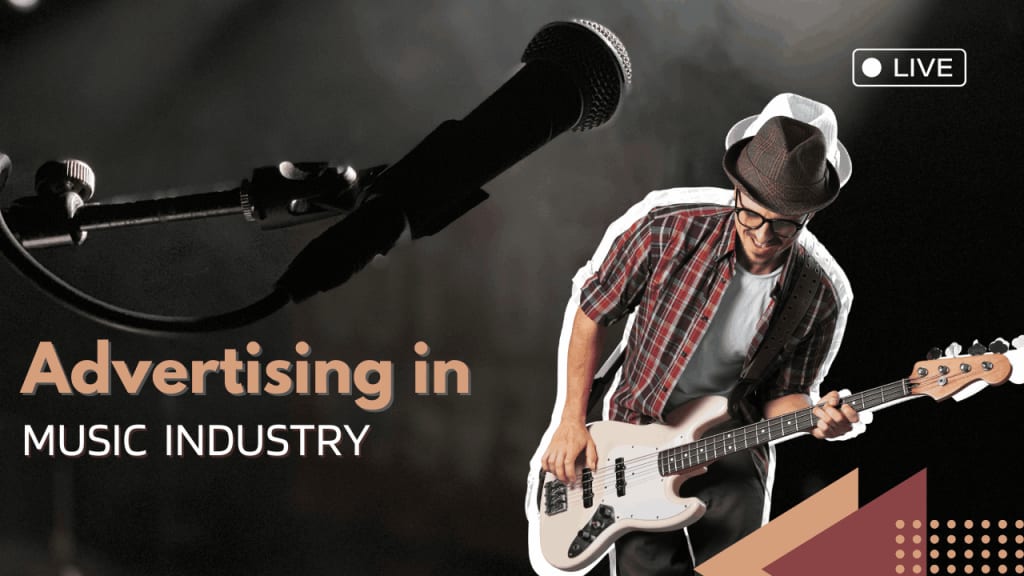
Live events, including concerts and music festivals, have long been a cornerstone of the music industry, offering not just entertainment but also a prime avenue for advertising. With the rise of experiential marketing and the increasing importance of in-person engagement, brands and artists alike are leveraging these events to connect with audiences in meaningful and lasting ways. This article explores the advertising opportunities inherent in live music events, examining how sponsors, brands, and artists use these platforms to engage audiences and drive value.
The Unique Appeal of Live Events for Advertising
Live music events create a unique environment where attendees are deeply immersed in the experience. The energy of a concert or festival fosters a sense of community and emotional connection, which brands can tap into to enhance their message. Unlike traditional advertising, which can often feel impersonal, the face-to-face interaction at live events provides a direct and authentic way to engage audiences.
According to a Nielsen report, 76% of music festival attendees view brands more favorably when they actively participate in the event. This level of positive brand association is hard to achieve through conventional advertising channels.
Types of Advertising at Live Music Events
1. Sponsorships and Naming Rights
Sponsorships are one of the most common forms of advertising at live events. Brands often become title sponsors of music festivals, such as “Coachella Presented by YouTube Music” or “Bud Light Stage at Lollapalooza.” These sponsorships provide extensive visibility through banners, digital ads, and event materials.
For example:
Red Bull has built its brand identity through consistent sponsorships of music festivals and hosting its own events like the Red Bull Music Academy.
Heineken sponsors stages at major festivals like Coachella, creating a direct association between the brand and the music experience.
2. On-Site Activations
On-site activations are interactive brand experiences set up at events to engage attendees. These activations often include photo booths, VR experiences, or branded lounges.
Examples:
At Bonnaroo, brands like Toyota have set up immersive installations, offering attendees the chance to explore new car models or play interactive games.
Coca-Cola frequently uses experiential zones where festival-goers can create personalized memorabilia.
3. Product Sampling and Giveaways
Offering free samples of products or branded merchandise is another popular way for brands to advertise at live music events. Festival-goers often remember brands that enhance their experience, whether it's through free beverages, phone charging stations, or sunscreen.
Examples:
At festivals like Burning Man, eco-conscious brands often distribute reusable water bottles, tying into the event’s sustainability ethos.
Beauty brands like Glossier have created pop-up stands at music festivals to distribute makeup samples and provide touch-up services.
4. Digital Advertising at the Event
Many live music events incorporate large LED screens and digital signage, creating opportunities for brands to run ads that reach thousands of attendees. Streaming festivals online also adds a digital layer for global exposure.
For instance:
Twitch streams of live events, like the Tomorrowland festival, offer pre-roll ads and sponsorship spots for brands targeting international audiences.
5. Brand Collaborations with Artists
Collaborations between artists and brands at live events have become increasingly common. Brands sponsor specific artists’ performances, giving them visibility among the artist’s fan base.
Examples:
Beyoncé’s 2018 Coachella performance, often referred to as “Beychella,” featured significant backing from Adidas and Ivy Park, reinforcing both her brand and her sponsors.
Nike has partnered with artists to create exclusive merchandise available only during concerts.
Advertising for Emerging Artists at Live Events
For emerging artists, live events offer a unique opportunity to advertise themselves. Through performances at festivals, they can introduce their music to new audiences. Additionally, up-and-coming artists can partner with smaller, local brands for co-marketing opportunities.
One notable example is Billie Eilish, who gained significant visibility through her performances at small festivals before transitioning to headline larger ones. Her partnership with brands like Calvin Klein started early in her career, leveraging her presence at live events to build a mutual following.
Challenges and Ethical Considerations
While live events offer numerous advertising opportunities, they also come with challenges:
Oversaturation: With multiple brands competing for attention, it can be hard for any one advertiser to stand out. This is particularly true at large festivals where dozens of sponsors are present.
Authenticity Concerns: Festival-goers are often wary of excessive commercialization. Overbranding can dilute the event’s cultural impact, leading to negative audience perception.
Cost Barriers: Sponsorship and activation at large-scale festivals can be prohibitively expensive, limiting opportunities for smaller brands.
To address these challenges, brands must focus on creating authentic and valuable experiences for attendees. For example, Patagonia’s sponsorships focus on eco-friendly initiatives, aligning with the values of many festival-goers.
The Future of Advertising at Live Music Events
As technology continues to evolve, the future of advertising at live music events is likely to be shaped by innovations such as:
Augmented Reality (AR): Brands can create AR experiences at festivals, such as virtual treasure hunts or interactive product demos.
Personalized Experiences: Using attendee data, brands can create tailored advertisements or exclusive offers for individuals at the event.
Hybrid Events: The pandemic popularized hybrid events, combining in-person experiences with online streaming. This opens up new advertising opportunities for global audiences.
Conclusion
Live music events are more than just entertainment; they are powerful platforms for advertising. Whether through sponsorships, on-site activations, or artist collaborations, brands can use these events to create memorable experiences that resonate with audiences. At the same time, artists can leverage these platforms to expand their reach and build meaningful connections with fans.
By staying attuned to audience expectations and focusing on authenticity, brands and artists alike can continue to harness the power of live events for successful advertising in the music industry. With the rise of immersive technologies and hybrid event formats, the opportunities for creative advertising are bound to expand even further.
About the Creator
Keep reading
More stories from delivermytune and writers in Education and other communities.
Cultural Festivals Promoting Music in Delhi: A Melting Pot of Talent and Opportunities
Delhi, the vibrant heart of India, is not just a hub for politics and culture but also a thriving center for music. The city’s music scene is fueled by its deep cultural roots, diversity, and a relentless drive to innovate. One of the most remarkable aspects of this musical ecosystem is the role of cultural festivals, which act as a melting pot for talent, collaboration, and opportunities. These festivals provide a platform for both budding and established artists to showcase their talent, offering the audience an eclectic mix of traditional and contemporary sounds. Let’s dive deeper into how cultural festivals in Delhi are transforming its music industry into a global phenomenon.
By delivermytuneabout a year ago in Education
What Vloggers Must Know!
YouTube has always evolved alongside its creator community, and with the rapid growth of vlogging content, the platform has recently updated its policies to better define quality, originality, and monetization standards. These updates are especially important for vlog channel owners, as vlogs rely heavily on personal storytelling, daily life content, and real-world experiences. Understanding the new policy is essential for staying compliant, growing safely, and maintaining monetization eligibility.
By Bilal Mohammadiabout 16 hours ago in Education


Comments
There are no comments for this story
Be the first to respond and start the conversation.