
The Power of Grace: How Elegance, Mercy, and Kindness Transform Our Lives
What is Grace? Unveiling Its True Essence Beyond Beauty and Elegance Grace in Everyday Life: Small Acts That Make a Big Impact

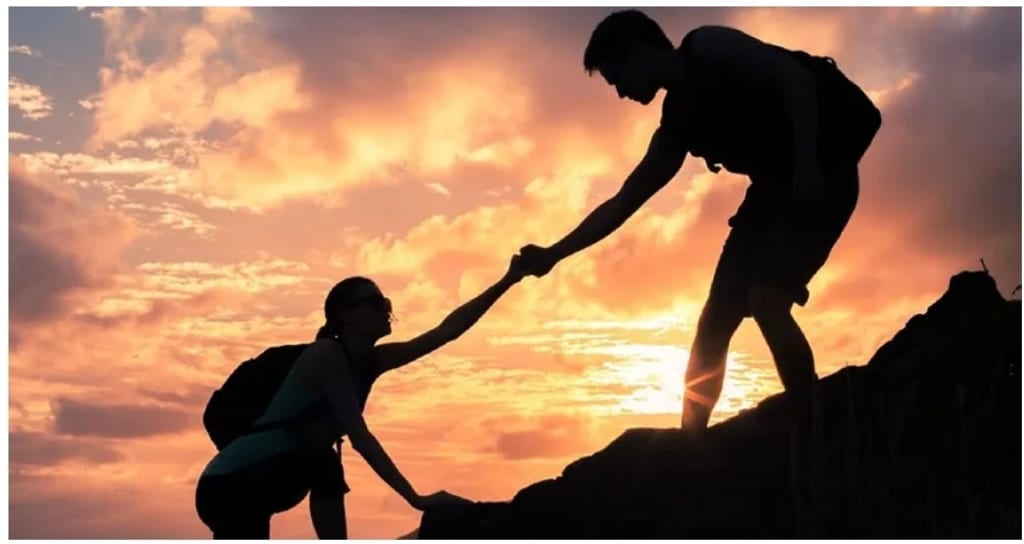
**Grace: The Power of Elegance and Mercy**
Grace is a word that carries profound depth and meaning, encompassing not only elegance and beauty but also mercy and forgiveness. It transcends cultures, languages, and philosophies, symbolizing a force that brings comfort, transformation, and connection. Grace is often celebrated in the arts, in literature, and in the spiritual realm. However, its true essence lies in how it manifests in everyday life, affecting our relationships, actions, and attitudes.
### Defining Grace
At its core, grace can be described as a form of divine or human kindness that goes beyond what is expected. In Christianity, grace refers to the unearned love and favor of God toward humanity. It is the foundation of salvation, freely given without condition or merit. In a broader sense, grace also means an elegance or beauty of movement, form, or expression. It is seen in the delicate way someone walks, the eloquence with which they speak, or the subtle kindness they offer to others. It is an inner quality that radiates outward, a softening of the harsh edges of life.
In the context of human interaction, grace often manifests as forgiveness, patience, and mercy—qualities that allow individuals to rise above conflicts and misunderstandings. It is about offering something unearned and unexpected, often when it is not deserved. It is the choice to act with compassion, to see the best in others even when their actions may not warrant it.
### Grace in Everyday Life

Grace is not just a theoretical concept but a practical tool in daily life. In every conversation, interaction, and decision, grace has the power to transform outcomes. Imagine a heated argument where both parties are angry and defensive. Grace in this context could be the moment when one person chooses to speak calmly or to forgive an offense before it escalates. This simple act of grace can prevent further conflict and restore peace.
Grace also plays a role in personal development. When we choose to act with grace, we set aside ego and pride, focusing instead on humility and understanding. This allows us to grow emotionally and spiritually, creating a foundation for deeper connections with others. It helps us to be more patient with ourselves, understanding that mistakes are part of the learning process, and growth often happens when we give ourselves the grace to fail and try again.
One of the most significant ways grace shows up in daily life is through acts of kindness. These may be small gestures, such as holding the door for someone, offering a word of encouragement, or providing support during a difficult time. The beauty of these acts lies in their simplicity; they don’t require grand gestures or costly sacrifices. Grace can be something as simple as a smile that brightens someone's day or a kind word that alleviates a burden. These small actions ripple out, creating a network of positive energy that lifts everyone involved.
### Grace in Relationships
In relationships, grace plays a vital role in maintaining harmony and understanding. It allows individuals to accept one another’s imperfections, fostering a sense of unity and love. Relationships—whether between friends, family members, or romantic partners—are often tested by misunderstandings, hurt feelings, or conflicting desires. It is in these moments that grace becomes essential.
In romantic relationships, grace means choosing to love and understand the other person, even when they make mistakes or act in ways that are hurtful. Rather than focusing on blame or retaliation, grace encourages us to consider the other person’s perspective, to offer forgiveness, and to work together toward resolution. This type of grace strengthens bonds and creates a foundation of trust, making the relationship more resilient to challenges.
In friendships, grace allows individuals to support each other through difficult times, even when they may not have all the answers. It means showing up when it’s hard, offering comfort, and helping one another through life’s challenges. True friendship often requires grace, as it involves accepting and loving someone unconditionally, knowing they will not always be perfect but still choosing to stand by them.
For family relationships, grace is especially crucial. Families are often a mix of personalities, backgrounds, and viewpoints, and disagreements are bound to occur. Grace helps to soften the impact of these differences. It allows for reconciliation after arguments, for patience with generational divides, and for understanding in times of stress. Grace is the glue that holds families together, enabling them to navigate the complexities of life while maintaining a sense of unity.
### Grace in the Spiritual Realm
Grace holds particular significance in spiritual contexts. In many religions, grace is seen as a gift from the divine, offered freely to humanity. In Christianity, as mentioned earlier, grace is seen as God’s unmerited favor toward individuals, offering salvation and eternal life through Jesus Christ. This concept of grace is central to the Christian faith, emphasizing the idea that salvation cannot be earned but is instead given as an act of divine love and mercy.
Similarly, in other spiritual traditions, grace plays a transformative role. In Hinduism, for example, grace is often seen as the blessing of a guru or divine figure, bestowing wisdom and enlightenment upon a devotee. In Buddhism, grace can be seen as the compassion of others, which helps guide individuals toward enlightenment.
In the broader sense, spiritual grace is the presence of divine love and mercy in the world. It is the experience of feeling supported and guided, even when life seems difficult or uncertain. Grace, in this sense, is not about earning favor or approval; it is about being open to receiving love, light, and healing from the universe or from a higher power.
### Grace in the Arts
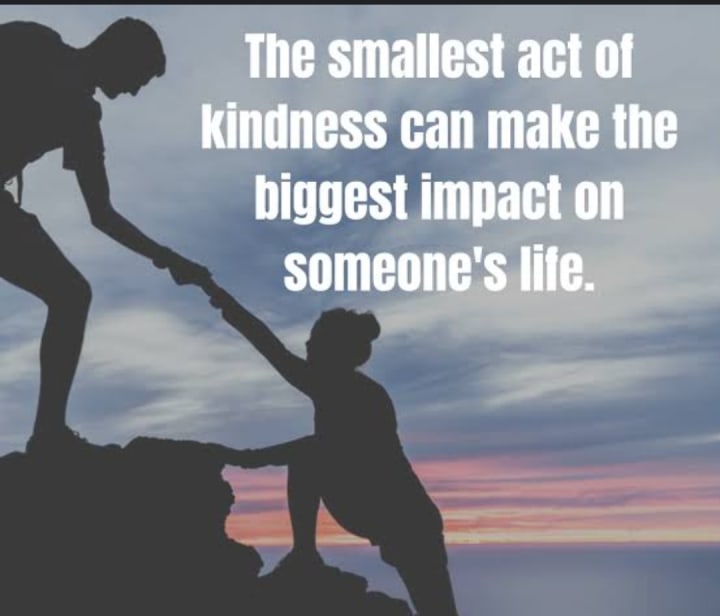
The concept of grace has long been a subject of fascination in the arts. In dance, grace is the fluidity of movement, the way a dancer can move effortlessly across the stage, capturing the audience’s attention with every gesture. In visual arts, grace is seen in the way an artist captures beauty in subtle, elegant forms. The use of light, shadow, and color can evoke a sense of grace, inviting the viewer to experience something beyond the ordinary.
In literature, grace often appears as a theme of redemption, forgiveness, and transformation. Characters who experience grace are often those who undergo a profound change, overcoming their flaws or circumstances through acts of mercy or divine intervention. These stories speak to the transformative power of grace, illustrating how it can heal wounds, reconcile differences, and bring about new beginnings.
### The Transformative Power of Grace
Grace is not just a passive concept; it is a dynamic force that has the power to change individuals and communities. When grace is extended, it has the ability to break cycles of anger, bitterness, and conflict. It allows people to move beyond their past hurts and open themselves to new possibilities. Grace creates space for healing, for new beginnings, and for growth.
Perhaps the most remarkable thing about grace is its ability to inspire others. When we extend grace to others, we often inspire them to do the same. It becomes a chain reaction of kindness, mercy, and love that spreads far beyond the initial act. In this way, grace is not only a personal quality but also a force for collective change, helping to create a more compassionate and understanding world.
### Conclusion
Grace is a quality that transcends mere politeness or social niceties. It is a deep and transformative power that can change lives and bring peace to troubled hearts. Whether it is in our relationships, our personal growth, or our spiritual lives, grace has the potential to heal, uplift, and inspire. It reminds us of the beauty and power of kindness, forgiveness, and mercy, showing us that, even in the most difficult of circumstances, grace can make all the difference.
About the Creator
Nora Ariana
Empowering through stories and sound igniting purpose, sparking growth, and awakening the power within.
Keep reading
More stories from Nora Ariana and writers in Education and other communities.
A goal is a dream with a deadline
A goal is a dream with a deadline. This powerful quote reminds us that without action, dreams remain just that wishes floating in our imagination. But when we set a timeline and commit to achieving them, they evolve into goals, bringing clarity, direction, and purpose. Many people go through life holding on to dreams, hoping they will come true someday. But someday is not a day on the calendar. Dreams without structure often fade with time or get buried under the weight of daily responsibilities. Turning a dream into a goal is what separates those who achieve from those who continue to wish.
By Nora ArianaExclusive • 11 months ago
Unlocking Value: A Strategic Guide to Opportunities in the Foreclosure Market
The foreclosure market develops when property owners fail to meet mortgage obligations, and lenders initiate legal processes to recover unpaid loans. As a result, these properties often return to the market under different conditions than traditional listings. Moreover, lenders typically aim to sell quickly to minimize losses, creating pricing advantages for informed buyers. Because of this structure, foreclosure properties may present opportunities for investors who approach them with preparation and discipline.
By Michael O'Sullivan Hamptona day ago in Education
Free Laptop with GED Classes 2026: How Low-Income Adults & Students Can Get One
Earning your GED is a powerful step toward better jobs, higher pay, and long-term stability — but trying to study without a reliable laptop makes everything harder. The good news? In 2026, several legitimate programs and nonprofits are still giving free laptops specifically to people working on their GED or HiSET.
By Free Laptops From Governmenta day ago in Education
Why Didn't Anyone Tell Us
Men, move along. This is not for you. This is for the women. I was forty-five when I began menopause. It is pretty young for that to be going on in a woman’s life, but I had undiagnosed PCOS, my entire life. Thank you to all the gynecologists I had seen my entire life. That in itself should encourage women to keep seeking second opinions, especially when you are not getting correct answers or any at all.
By Alexandra Grant6 days ago in Humans


Comments
There are no comments for this story
Be the first to respond and start the conversation.