
The Power of Education
Why Education Matters

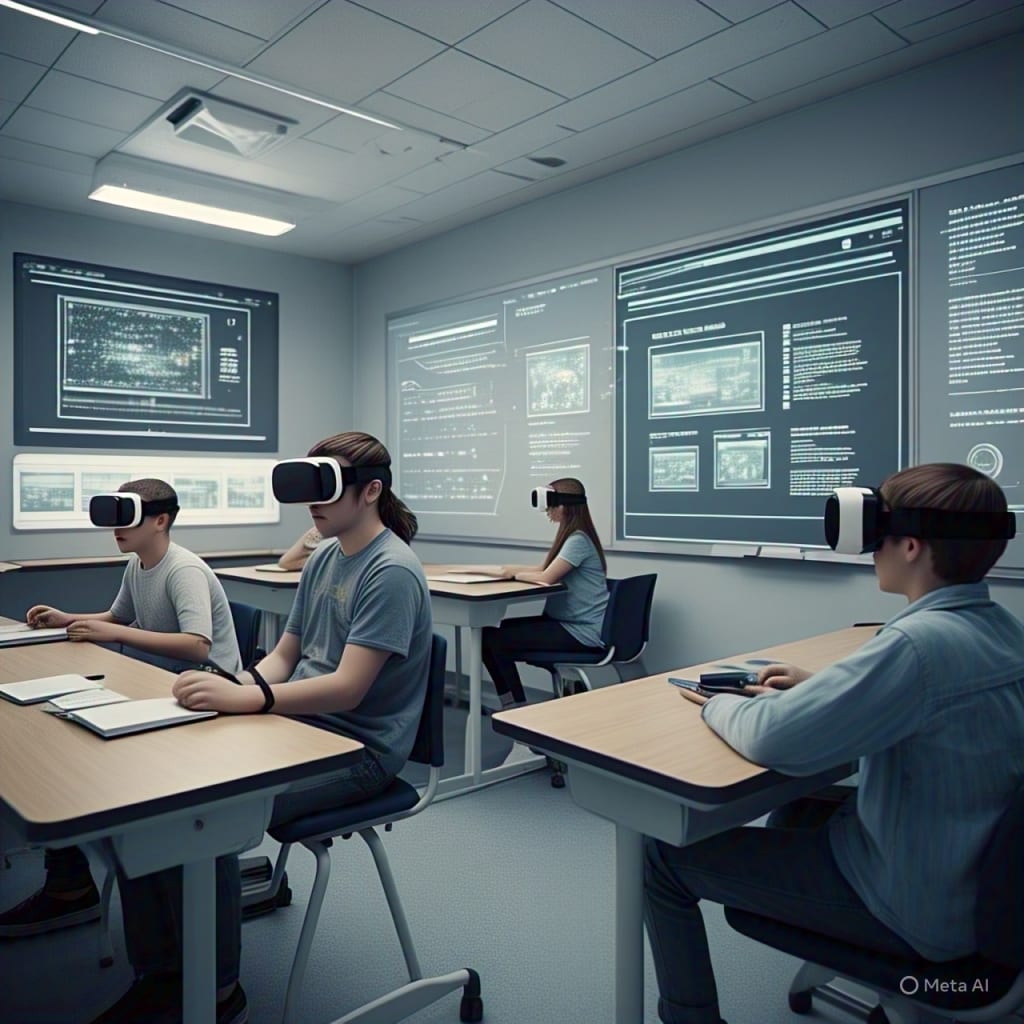
Education is one of the most powerful tools available to humanity. It shapes minds, builds societies, and transforms lives. From the moment a child begins to understand the world around them, education becomes a lifelong journey that influences how they think, work, and live.
It isn’t only about textbooks or classrooms—education encompasses all forms of learning, whether formal, informal, or experiential. Whether you’re a student in a rural village or an executive in a high-rise office building, learning never stops. In today’s fast-paced world, education has evolved far beyond traditional schooling—it now includes online learning, skill-based training, mentorship, and even AI-assisted learning.
This blog explores the meaning of education, its impact on individuals and societies, the importance of accessible learning, the role of technology, and what the future holds.
What Is Education?
Education is more than just acquiring facts or passing exams. It is the development of knowledge, skills, values, beliefs, and habits. Education can occur in many settings: schools, homes, communities, online platforms, and through life experiences.
Formal vs Informal Education
Formal education involves structured learning within an institution. It follows a curriculum, includes grading, and leads to certification. Examples include school, college, and university.
Informal education happens outside the classroom. It includes learning from family, friends, books, the internet, and personal experiences.
Lifelong Learning
Modern education is no longer limited to childhood or adolescence. Lifelong learning is now considered essential. In a rapidly changing world, new skills must be acquired regularly to stay relevant.
Why Is Education Important?
Education offers countless benefits to individuals and societies. Here are a few key reasons why education is essential:
1. Personal Growth
Education helps individuals understand themselves and the world. It builds confidence, teaches critical thinking, and fosters self-awareness.
2. Economic Empowerment
An educated person is more likely to get a better job, earn a higher income, and contribute to the economy. Education opens doors to career opportunities and financial independence.
3. Social Development
Education promotes tolerance, equality, and understanding. It helps reduce poverty, crime, and inequality. An educated population creates stronger, more peaceful communities.
4. Health and Wellbeing
Educated individuals are more likely to make informed health choices, access medical care, and understand nutrition. Education is linked to longer life expectancy and better mental health.
Education Systems Around the World
Education systems vary greatly by country, culture, and economic status. Despite these differences, a few universal goals remain: literacy, critical thinking, problem-solving, and citizenship.
Developed vs Developing Nations
Developed countries often have strong public education systems, high enrollment rates, and advanced technology in schools.
Developing countries may struggle with access, funding, and quality. However, many are innovating with mobile learning, community teaching, and low-cost educational tools.
Case Study: Finland
Finland is often praised for having one of the best education systems in the world. With minimal homework, no standardized tests, and highly respected teachers, Finland focuses on student wellbeing and holistic learning.
The Digital Revolution in Education
Technology is reshaping education across the globe. Online courses, virtual classrooms, and digital tools are making learning more accessible than ever.
Online Learning
Platforms like Coursera, Khan Academy, and Duolingo have opened up education to millions of people worldwide. Whether you want to learn programming or practice a language, online platforms make it easy.
AI in Education
Artificial intelligence can personalize learning, offer tutoring, and analyze performance. Tools like ChatGPT can assist with homework, explain complex ideas, and even help teachers plan lessons.
EdTech for Inclusion
Technology has enabled students with disabilities to participate more actively in education. Voice-to-text software, visual aids, and adaptive learning tools are transforming accessibility.
Challenges in Education
Despite its many benefits, the education system faces several challenges:
1. Inequality and Inaccessibility
Millions of children still lack access to basic education due to poverty, geography, or conflict. Girls, disabled students, and marginalized groups are often disproportionately affected.
2. Quality Concerns
Not all schools offer the same quality of education. Inconsistent teaching, outdated materials, and overcrowded classrooms can hinder learning.
3. Burnout and Pressure
Many students and teachers suffer from stress, anxiety, and burnout. The focus on testing and competition can overshadow creativity and curiosity.
4. The Digital Divide
While technology offers great opportunities, not everyone has equal access to the internet or digital devices. This digital divide creates further educational inequality.

The Role of Teachers
Teachers are the backbone of the education system. Their role goes far beyond delivering lessons—they are mentors, role models, and guides.
Qualities of a Great Teacher
Patience
Passion for learning
Communication skills
Empathy
Creativity
Supporting Teachers
Teachers need continuous training, support, and respect. Investing in educators means investing in the future.
Parenting and Education
Education begins at home. Parents play a vital role in shaping their children's attitudes toward learning.
Creating a Learning Environment
Parents can encourage curiosity by reading to children, asking questions, and discussing ideas. Limiting screen time and encouraging play can also foster development.
Supporting Formal Education
Engaged parents can support teachers, attend school meetings, and advocate for better policies. Collaboration between families and schools improves educational outcomes.
Soft Skills and Emotional Intelligence
In the 21st century, success is not just about IQ. Emotional intelligence (EQ), collaboration, and communication are just as important.
What Are Soft Skills?
Teamwork
Leadership
Adaptability
Conflict resolution
Empathy
These skills are essential for both personal and professional life.
Teaching Emotional Intelligence
More schools are introducing emotional learning programs that teach mindfulness, empathy, and self-awareness. These programs help students navigate relationships and manage stress.
Future of Education
The future of education is rapidly evolving. Here’s what we can expect:
1. Personalized Learning
AI will create customized lesson plans for each student based on their strengths and weaknesses.
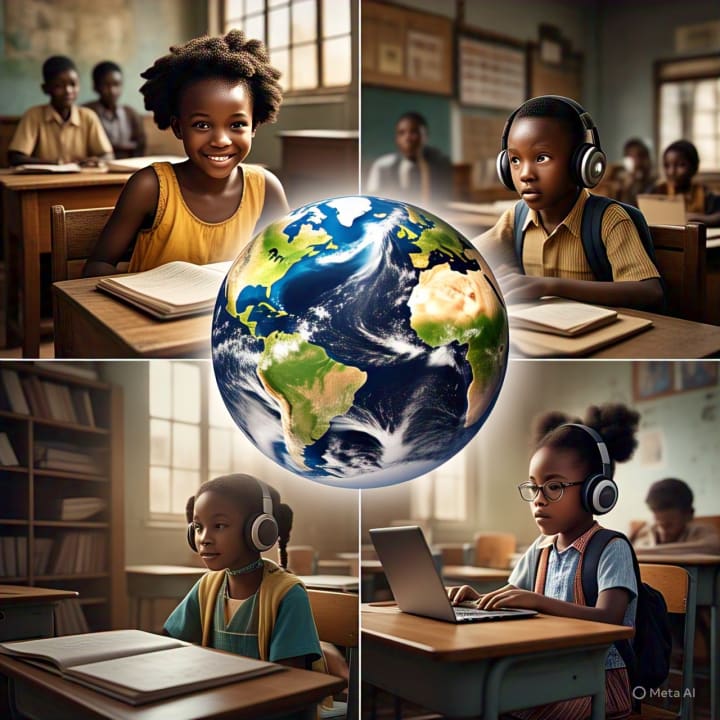
2. Global Classrooms
Students from different countries will learn together via online platforms, promoting global understanding.
3. Lifelong Microlearning
People will take short courses throughout their lives, updating skills without returning to school.
4. Education for Jobs That Don’t Exist Yet
The future will demand new skills. Education must prepare students to adapt, think critically, and innovate.
Education Is the Key
Education is more than memorizing facts—it’s about empowering minds, building confidence, and preparing people to face life’s challenges. Whether in a traditional classroom or through a screen, education must continue to evolve and remain accessible to all.
When we invest in education, we invest in a better world. A world where every person, regardless of background or ability, has the chance to learn, grow, and succeed.
About the Creator
Syeda Alisha Hussain Zaidi
Writer exploring the edge of AI and human creativity. Helping you craft content that connects, not just computes. If you're tired of robotic writing, stick around — this space is for storytellers who still care.
Keep reading
More stories from Syeda Alisha Hussain Zaidi and writers in Education and other communities.
The Overlooked Consequences of Weak Healthcare Program Planning
Healthcare programs are created to expand access to care, improve patient outcomes, and strengthen public health systems. Governments, hospitals, nonprofits, and health organizations invest significant resources into developing programs that address disease prevention, treatment, and community wellness. When these initiatives are carefully planned and strategically executed, they can transform healthcare delivery and improve the quality of life for entire populations.
By Evyatar Nitzany3 days ago in Education
Strategy Before Software: Why Content Strategy Matters More Than Platform Technology
A strong content strategy matters more than platform technology because strategy shapes every choice a team makes. It guides tone, purpose, structure, and audience focus. Technology can help with speed and reach, but it cannot replace direction. A tool only works well when someone uses it with a clear plan. Without a strategy, even the best systems fail to connect with real people.
By James Kaminsky3 days ago in Education



Comments
There are no comments for this story
Be the first to respond and start the conversation.