
The Power of Compound Interest: How to Build Wealth Over Time
Where Can You Earn Compound Interest?
The Power of Compound Interest: How to Build Wealth Over Time
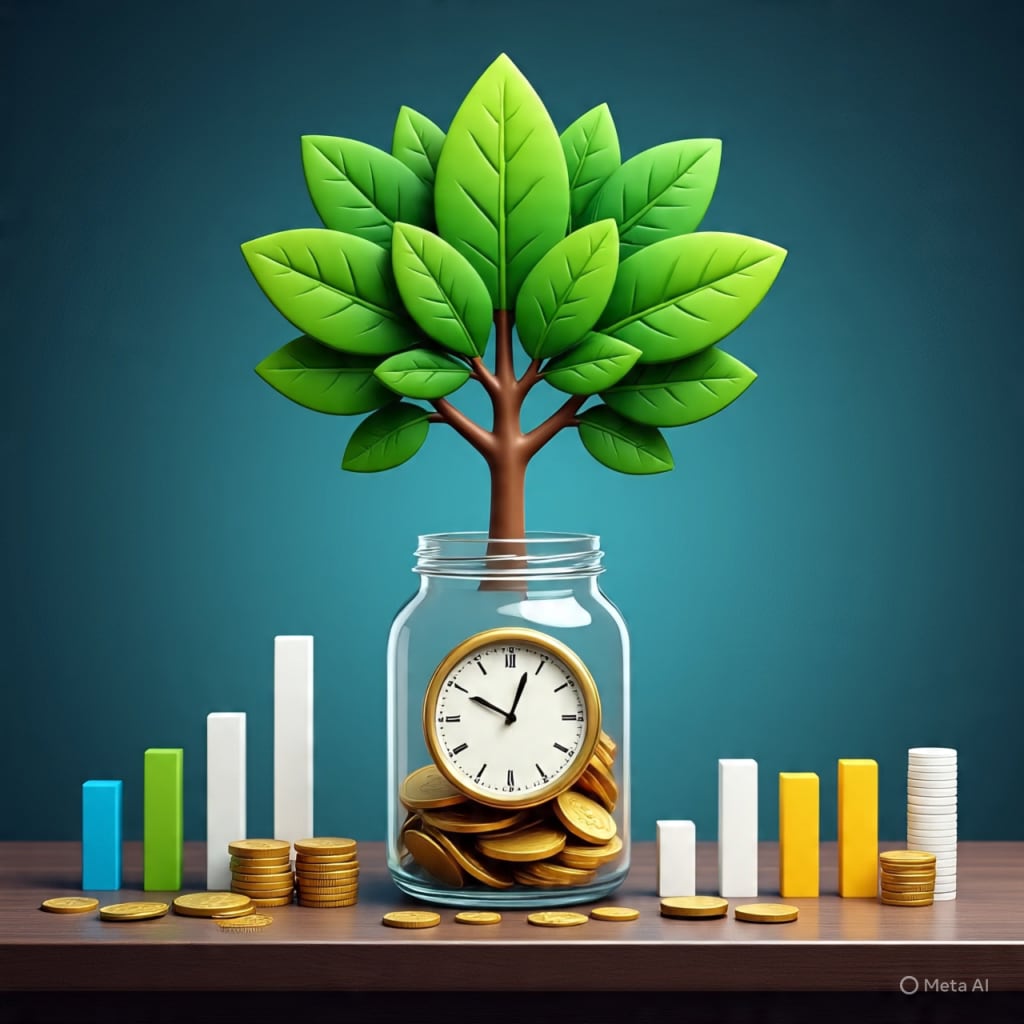
When it comes to personal finance, one of the most powerful tools available to anyone—regardless of age or income—is compound interest. Often called the “eighth wonder of the world” by Albert Einstein, compound interest can transform small, consistent investments into substantial wealth over time.
Understanding how compound interest works and how to use it to your advantage can be a game-changer for your financial future. Whether you're saving for retirement, a home, or simply building financial security, this principle can make your money work for you.
---
What Is Compound Interest?
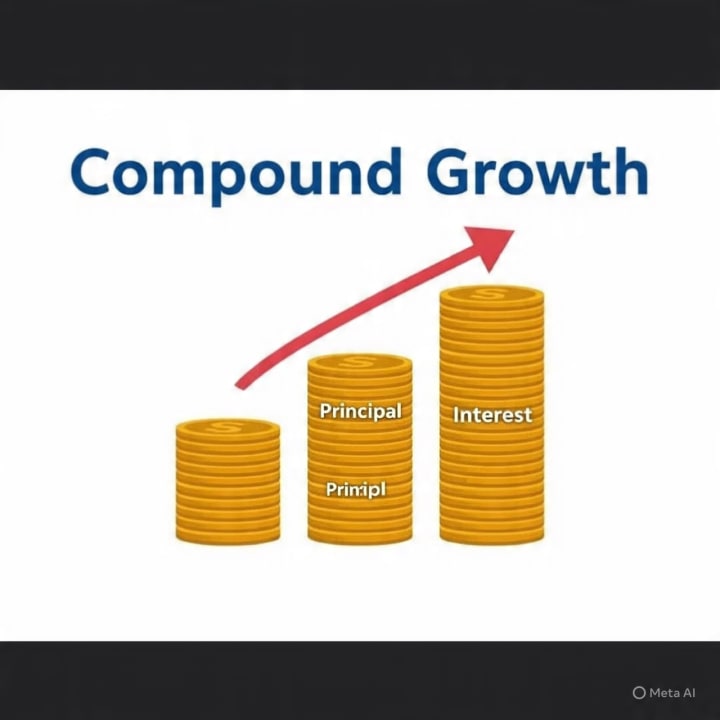
Compound interest is the process by which your investment earns interest not only on your original amount (principal) but also on the interest that has been added over time. In simple terms, your money earns interest, and then that interest earns more interest.
Here’s a basic formula:
> Compound Interest = P × (1 + r/n)^(nt)
Where:
P = principal amount (initial investment)
r = annual interest rate (in decimal)
n = number of times interest is compounded per year
t = number of years
---
Example: The Snowball Effect
Let’s say you invest $5,000 at an annual interest rate of 8%, compounded annually, and leave it for 30 years without adding anything more.
After 10 years: $10,794
After 20 years: $23,305
After 30 years: $50,313
That’s a tenfold increase just by letting time and interest do their job. And if you add more money regularly, the effect becomes even more powerful.
---
The Earlier You Start, the Better
Time is the most critical factor in compounding. The earlier you start investing, the more time your money has to grow.
Example: Starting Early vs. Starting Late
Person A invests $200/month from age 25 to 35 and then stops.
Person B invests $200/month from age 35 to 65.
Assuming a 7% return:
Person A will have around $263,000 by age 65.
Person B, who invested for 30 years, will have around $228,000.
Even though Person A invested for only 10 years, they end up with more money because they started earlier.
---
Where Can You Earn Compound Interest?
Compound interest is most commonly earned through:
Savings accounts (though rates are low)
Certificates of Deposit (CDs)
Money market accounts
Stocks and mutual funds (through reinvested earnings)
Retirement accounts (like 401(k)s and IRAs)
Among these, investing in stocks and retirement funds often yields the highest long-term returns, though they come with more risk.
---
How to Maximize Compound Interest
1. Start Early
Even small amounts add up. Starting at age 20 with $50/month is better than starting at 30 with $200/month.
2. Be Consistent
Regular monthly contributions matter more than trying to time the market.
3. Reinvest Your Earnings
Automatically reinvest dividends and interest to keep your money growing.
4. Avoid Withdrawing
Every time you withdraw, you interrupt the compounding process.
5. Use Tax-Advantaged Accounts
Retirement accounts like Roth IRAs let your money grow tax-free or tax-deferred, boosting compounding.
---
The Hidden Cost of Waiting
Many people delay saving and investing because they think they’ll do it "later." But waiting even a few years can dramatically reduce your total returns.
Starting at 25 with $300/month for 40 years at 8% interest = $873,000
Starting at 35 with the same amount = $375,000 less by retirement
Time lost can’t be recovered in investing. The cost of delay is real—and expensive.
---
Final Thoughts
Compound interest isn’t just a math formula—it's a long-term wealth-building strategy. The earlier you start and the more consistently you invest, the more dramatic the results will be. You don’t need to be rich or have a financial degree to benefit. You just need to take action, stay patient, and let time work its magic.
If you understand compound interest and apply it wisely, you can achieve financial goals like homeownership, retirement, or even early financial independence without winning the lottery or taking big risks.
So, start now. The best time to plant a tree was 20 years ago. The second-best time is today.
About the Creator
Money Talks, I Write
Writer. Investor. Observer of money and mindset.
✍️ Money Talks, I Write — because every dollar has a story.
Keep reading
More stories from Money Talks, I Write and writers in Education and other communities.
How to Start a Freelance Digital Marketing Business and Make Money Online
How to Start a Freelance Digital Marketing Agency and Make Money In today’s digital-first world, every business needs an online presence to survive and thrive. Whether it's a small local coffee shop or a multinational e-commerce brand, visibility online is key. That’s where digital marketing comes in—and with that, an opportunity for you to build a profitable freelance digital marketing agency, even if you’re starting from scratch.
By Money Talks, I Write8 months ago in Education
How the Sun Affects Asteroid Paths: Gravity, Radiation Pressure, and Orbital Changes Explained
Introduction: The Silent Influence of the Sun ☀️ Every night, thousands of asteroids quietly move through space. Most of them orbit harmlessly between Mars and Jupiter in the asteroid belt. Others travel closer to Earth, following paths shaped by invisible forces.
By shahkar jalala day ago in Education



Comments (1)
Best