
The Pariah State: Why North Korea is Shunned by the World.
Understanding the Factors Contributing to North Korea's Isolation.
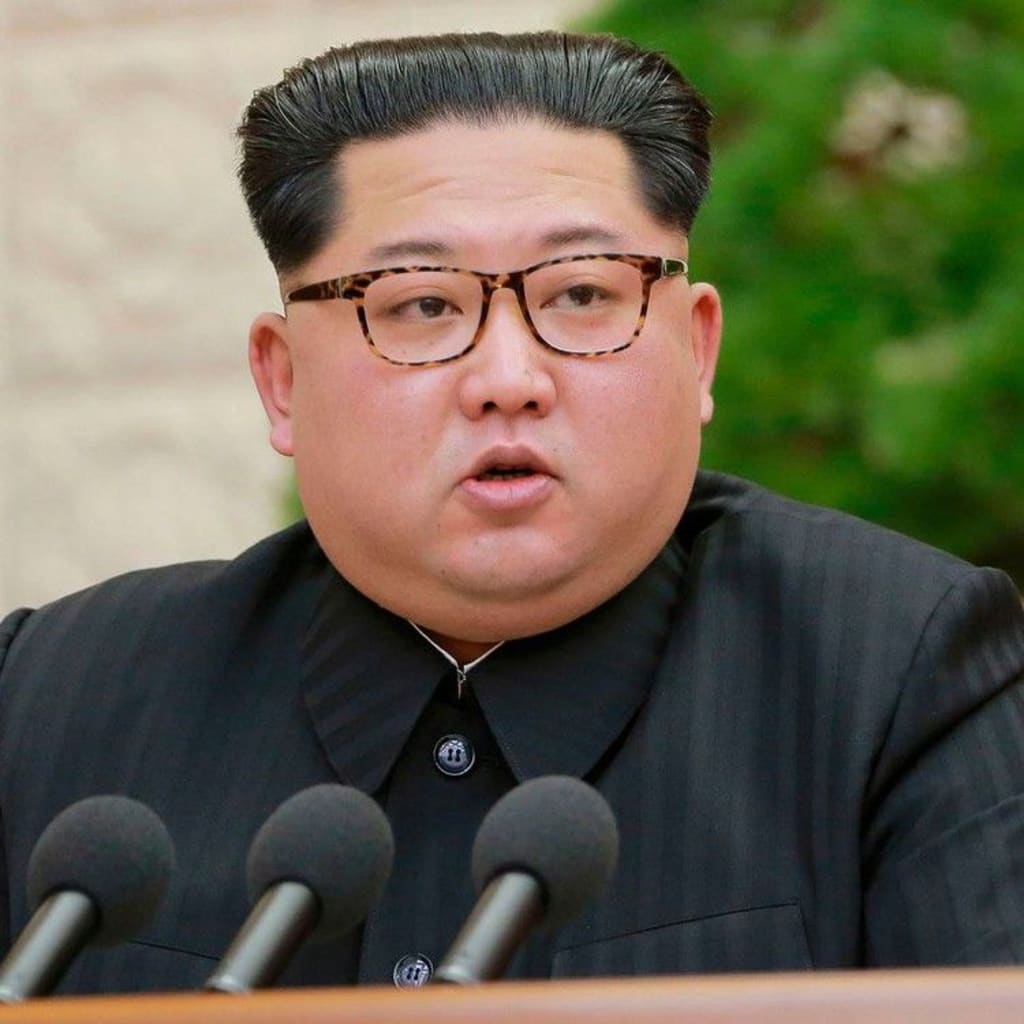
North Korea, a country located in East Asia, is one of the most isolated nations in the world. It has been called the "Hermit Kingdom" due to its strict isolationist policies that have cut it off from the rest of the world. The reasons behind North Korea's isolation are complex and multifaceted, and they involve politics, ideology, economics, and history.
One of the main reasons why North Korea is so isolated is because of its political system. The country is a one-party state led by the Workers' Party of Korea, and its leader, Kim Jong-un, holds absolute power. The country's constitution guarantees freedom of speech, press, assembly, and association, but in reality, these rights are severely restricted, and the government tightly controls all aspects of society. The regime's focus on maintaining control over its citizens has led to a situation in which the North Korean government sees the outside world as a threat.
North Korea's ideology of self-reliance, known as Juche, is another reason for its isolation. The country's leadership has long advocated for economic independence and has pursued policies that prioritize the domestic production of goods over imports. This has made it difficult for North Korea to engage in trade with other countries and has limited its ability to develop economically. Additionally, the regime's ideology of self-reliance has contributed to a sense of suspicion towards foreign aid and assistance, making it difficult for other countries to offer assistance.
The history of North Korea's relations with other countries is also a factor in its isolation. Following the Korean War in the early 1950s, North Korea became a socialist state aligned with the Soviet Union. However, after the Soviet Union collapsed in 1991, North Korea's economy suffered greatly, and the country struggled to maintain its socialist system. North Korea's relations with China, its closest ally, have also been strained in recent years due to disagreements over North Korea's nuclear weapons program.
North Korea's nuclear weapons program is perhaps the most significant reason for its isolation. The country's pursuit of nuclear weapons has been a source of tension with the international community for decades, and North Korea has been subject to numerous rounds of economic sanctions as a result. The regime's leadership sees its nuclear weapons program as a means of survival, and it has been unwilling to give up its weapons even in the face of international pressure.
The North Korean government is known for its authoritarian regime, which heavily restricts freedoms and human rights, and its pursuit of nuclear weapons and ballistic missiles has led to international sanctions and condemnation. The country's human rights record and lack of political and economic freedoms have led many nations to view North Korea as a pariah state.
Additionally, North Korea's foreign policy is largely focused on self-reliance and isolation, with the country emphasizing its independence and rejecting external influence. The government has also engaged in provocative actions, such as missile tests and threats of war, further isolating the country from the international community.
In conclusion, North Korea's isolation is the result of a combination of factors, including its political system, ideology, history, and nuclear weapons program. The country's leadership has pursued policies that prioritize self-reliance and control over its citizens, which has made it difficult for North Korea to engage with the rest of the world. The international community's response to North Korea's pursuit of nuclear weapons has further contributed to its isolation. While there have been occasional attempts to engage with North Korea and bring it into the international community, the country's leadership has been resistant to change, and its isolation is likely to continue for the foreseeable future.
About the Creator
How I Discovered Evan Roderick and Why His Work Stood Out
Sometimes, discovering a new actor feels like stumbling upon a hidden gem. That’s exactly how I felt when I first came across Evan Roderick. I wasn’t looking for anyone new to follow, and I had no idea who he was at the time. But as soon as I saw him perform, something clicked. His presence was different. His style was subtle but powerful. And as I explored more of his work, it became clear that Evan Roderick wasn’t just another rising actor—he was someone who brought something unique to the screen.
By Evan Roderick5 days ago in Education
Time Management Hacks Every Entrepreneur Should Know
Running a startup demands more than hustle—it requires precision in how you use your time. As a founder, your daily choices directly impact your company’s growth, culture, and long-term sustainability. Without the right strategies, it's easy to get overwhelmed by tasks and lose sight of what truly matters. Mastering a few smart productivity habits can dramatically improve how you work.
By Per Jacob Solli4 days ago in Education


Comments
There are no comments for this story
Be the first to respond and start the conversation.