
The Paradox of ChatGPT
Exploring the Impact on Creativity in a World of Artificial Intelligence

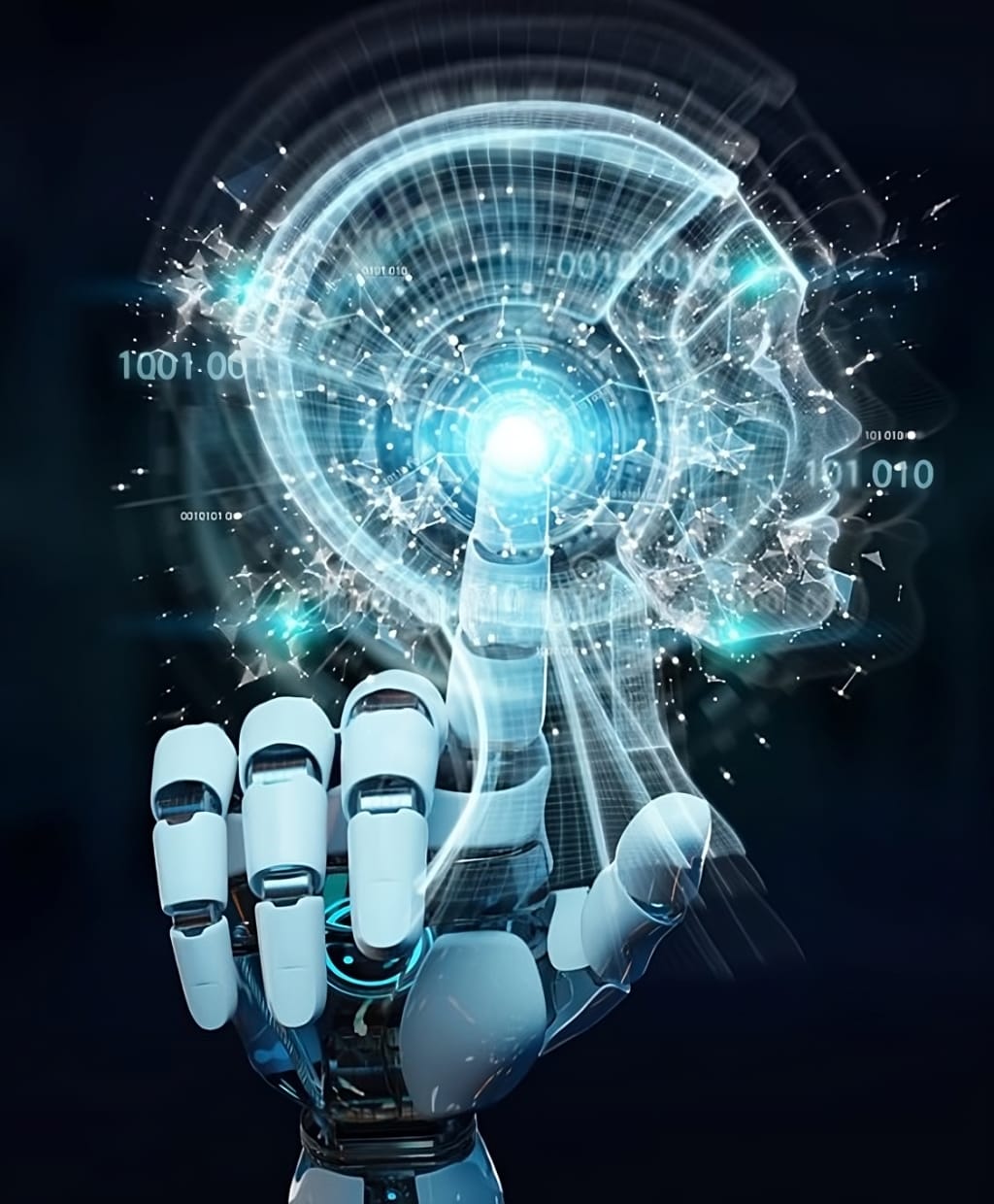
Artificial intelligence has rapidly advanced over the past few years, with the emergence of sophisticated language models such as ChatGPT. ChatGPT can generate responses that are virtually indistinguishable from human-generated text, and while this technology has many practical applications, there are concerns that it may be having a negative impact on creativity. The question arises: is ChatGPT killing creativity or enhancing it? In this article, we will explore the paradox of ChatGPT and its impact on creativity in a world of artificial intelligence.
Firstly, it's important to understand the impact of ChatGPT on the creative industries. With AI-generated music, paintings, and even entire novels already in existence, it is clear that machines are capable of producing creative work that is difficult to distinguish from that of humans. This has led to concerns that AI is replacing the human touch that makes creative work so unique and appealing. With machines becoming better and better at generating the content, it is possible that the demand for human-generated creative work may diminish.
On the other hand, AI can be seen as a tool that enhances creativity. By analyzing vast amounts of data and generating unique combinations of words and ideas, AI can help writers and other creatives break out of their own mental ruts and come up with fresh ideas. AI-generated art can be seen as a starting point for human artists to build upon. By analyzing the patterns and styles of AI-generated art, human artists can gain new insights into their own work and discover new techniques they might not have thought of otherwise.
Furthermore, AI-generated content can be a source of inspiration for human creators. For instance, a writer might use ChatGPT to generate ideas or suggest new ways of phrasing a sentence. While the final product may still be entirely the work of the human writer, AI has helped to spark the creative process and generate new ideas. Similarly, an artist could use an AI-generated image as a starting point for a painting or sculpture, building upon the original concept and adding their own unique style and perspective.
However, there are risks associated with relying too heavily on AI for creative work. If we become too reliant on machines to generate ideas and do the creative heavy lifting, we risk losing the human touch that makes creative work so compelling. The danger is that the final product may end up looking and feeling too much like something generated by a machine, lacking the emotional depth and authenticity that comes from the human touch.
Another risk associated with AI-generated creative work is that it could become formulaic and repetitive. Machines are programmed to look for patterns and follow rules, which could lead to a lack of originality in the work generated. Human creativity, on the other hand, is inherently unpredictable and can come from a place of intuition, emotion, and personal experience. If we become too reliant on machines to generate content, we risk losing the unique qualities that make creative work so essential to the human experience.
The key, then, is to strike a balance between using machines to enhance our own creative potential while also preserving the unique qualities that make creative work so essential to the human experience. We must recognize the benefits that AI can bring to the creative process while being mindful of the potential risks.
One approach is to use AI as a starting point for human creativity, rather than a replacement for it. For example, a writer could use ChatGPT to generate ideas for a story or suggest new ways of phrasing a sentence. This could help to jumpstart the creative process and generate fresh ideas, while still allowing the writer to bring their own unique perspective and voice to the work.
Another approach is to use AI-generated content as a source of inspiration for human creators. An artist could use an AI-generated image as a starting point for a painting or sculpture, building upon the original concept and adding their own unique style and perspective. This allows for collaboration between man and machine, and the results can be truly inspiring.
It's important to note that the impact of ChatGPT on creativity is not limited to the creative industries. AI-generated content is increasingly being used in advertising, marketing, and other areas of business. While AI can be a powerful tool for reaching audiences and generating engagement, it's important to be mindful of the potential risks. If AI-generated content becomes too formulaic or lacks emotional depth, it could end up alienating audiences rather than engaging them.
In conclusion, the impact of ChatGPT on creativity is a paradoxical one. While there are concerns that machines may be replacing the human touch in creative work, there are also opportunities for AI to enhance human creativity and generate fresh ideas. The key is to strike a balance between using machines to enhance our own creative potential while also preserving the unique qualities that make creative work so essential to the human experience. As we continue to explore the impact of AI on creativity, it is essential that we remain mindful of the potential risks and opportunities presented by this rapidly advancing technology.
As we continue to explore the impact of AI on creativity, one question remains: how can we strike a balance between using machines to enhance our own creative potential while also preserving the unique qualities that make creative work so essential to the human experience?
About the Creator
Tahreem Fatima
Computer science undergrad, who's curled up with a good book or writing her own stories, when she's not busy coding away.
Keep reading
More stories from writers in Education and other communities.
Cabin Fever Because of Snow, Sleet, and Freezing Rain That Turned to Icy Roads
What Is Cabin Fever? The short answer is that cabin fever is restlessness from being in a confined area. Cabin fever is the distressing irritability or restlessness experienced when a person or group is stuck at an isolated location or in confined quarters for an extended time. Research shows that prolonged cold, gray skies, and being stuck indoors can trigger mood shifts similar to “winter blues.”
By Margaret Minnicksabout 19 hours ago in Humans
A Love Forboding
The chipped stone slope caused unbearable footing. I slid, skirting on my heels. I cast my shield, relinquishing my guard to stay upright. Left with my double-edge and a prayer to the maker, I skated toward my objective. The earthly stubble gave way to solid ground. I found myself restored, a trail of dust in my wake.
By James U. Rizzi2 days ago in Fiction


Comments
There are no comments for this story
Be the first to respond and start the conversation.