
The Obesity Epidemic: Understanding the Causes and Consequences
Exploring Strategies for Prevention and Healthy Living

Obesity has become a global epidemic, posing significant health challenges and impacting individuals of all ages worldwide. In this text, we delve into the intricate web of obesity, examining its root causes, the wide-ranging consequences it brings, and exploring effective strategies for prevention and healthy living. By gaining a comprehensive understanding of this complex issue, we can empower individuals and communities to take proactive steps towards a healthier future.
Section 1: Unraveling the Causes of Obesity
Obesity is a result of various interrelated factors. In this section, we explore the underlying causes contributing to this epidemic. Genetic predisposition, sedentary lifestyles, unhealthy dietary choices, and environmental influences all play a significant role. Modern conveniences and an abundance of processed foods have changed our eating habits, while sedentary occupations and a lack of physical activity have become increasingly prevalent. By unraveling these causes, we can develop targeted strategies to address them.
Section 2: The Consequences of Obesity
The consequences of obesity extend far beyond physical appearance. This section delves into the profound impact obesity has on health and well-being. Individuals with obesity face an increased risk of chronic diseases, including diabetes, cardiovascular disorders, and certain types of cancer. Moreover, obesity can negatively affect mental health, leading to depression, anxiety, and low self-esteem. The socioeconomic consequences are also significant, as obesity contributes to reduced productivity, increased healthcare costs, and societal stigmatization.
Section 3: Empowering Prevention Strategies
Prevention is key to combatting the obesity epidemic. This section explores evidence-based strategies for preventing and managing obesity. Education and awareness campaigns play a crucial role, promoting healthy lifestyles and fostering informed decision-making from an early age. Community-based interventions, such as creating access to nutritious food options and implementing physical activity programs, can empower individuals to make healthier choices. Furthermore, policymakers, healthcare professionals, and individuals themselves all have a role to play in creating environments that support healthy living.
Section 4: Cultivating a Culture of Health
Tackling obesity requires a holistic approach that encompasses societal attitudes and practices. This section emphasizes the importance of cultivating a culture of health. Schools, workplaces, and communities can promote healthy behaviors by incorporating physical activity into daily routines, offering nutritional education, and creating supportive environments. By shifting societal norms to value and prioritize health, we can encourage sustainable lifestyle changes and reduce the prevalence of obesity.
Section 5: Empowering Solutions: Prevention and Treatment
Prevention and treatment are vital components in addressing the obesity epidemic. This section explores evidence-based strategies for both individuals and society. Empowering individuals through education on nutrition, portion control, and physical activity is crucial in preventing obesity. Encouraging a balanced, nutritious diet and promoting regular exercise can help individuals maintain a healthy weight. Furthermore, fostering supportive environments, such as schools and workplaces, that promote healthy habits and provide access to nutritious food options, can contribute to long-term behavior change.
Section 6: Shaping Healthy Environments: Policy and Community Initiatives
Creating healthy environments is essential to combating obesity. This section highlights the importance of policy changes and community initiatives in shaping environments that promote healthy living. Implementing policies that regulate food marketing, promote nutrition education, and increase access to affordable, healthy foods can have a significant impact. Furthermore, community-based programs, such as creating safe spaces for physical activity and promoting community gardens, can foster a culture of health and well-being.
Conclusion:
The obesity epidemic is a pressing global issue that demands collective action and comprehensive strategies. By understanding the
Regenerate response
Conclusion:
The obesity epidemic represents a significant challenge, but by understanding its causes, consequences, and prevention strategies, we can take steps towards a healthier future. Combating obesity requires collaboration and collective action from individuals, communities, healthcare providers, and policymakers. By prioritizing education, promoting healthy choices, and creating supportive environments, we can work together to reduce obesity rates and improve overall well-being. Let us embrace the opportunity to create a healthier and more inclusive society, where individuals are empowered to make positive choices for themselves and future generations.
About the Creator
Keep reading
More stories from writers in Education and other communities.
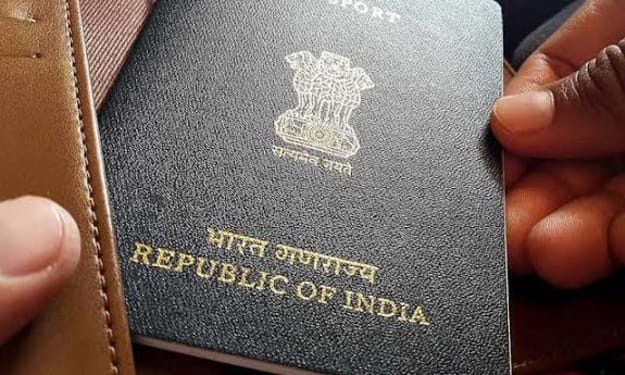
Visa-Free Travel Map Changes for Indian Passport Holders in 2026: Two Destinations Added, Four Lost
The power of a passport is more than a matter of convenience; it reflects a country’s diplomatic reach, global standing, and reciprocal trust with other nations. In 2026, Indian passport holders are seeing a notable shift in their visa-free travel landscape. While two new destinations have opened their doors without visas, four countries have tightened entry rules, reshaping how Indians plan international travel. The changes offer both opportunities and challenges, and they reveal important trends in global mobility.
By Fiaz Ahmed Brohi5 days ago in Education



Comments
There are no comments for this story
Be the first to respond and start the conversation.