
The next big thing in the technology world (AI)
What is Ai and what does it do?

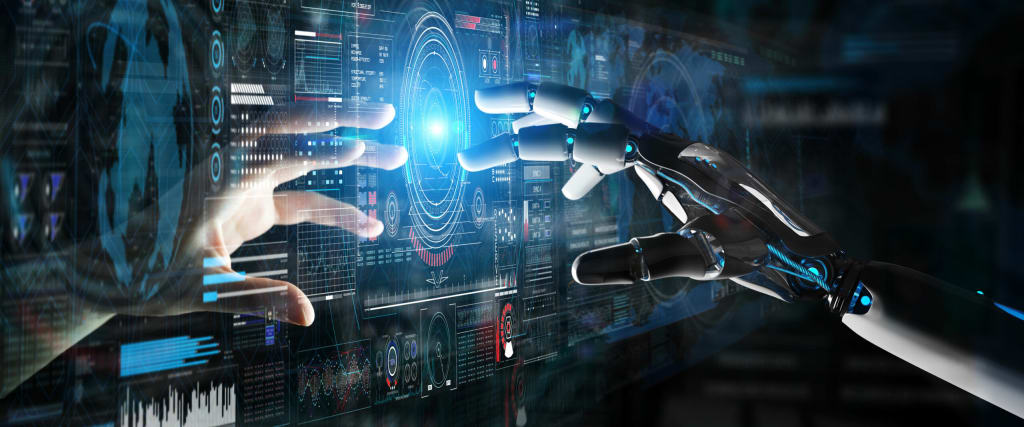
Artificial Intelligence (AI) is no longer a technology for the future; it is here, and it's shaping the world we live in. From healthcare to manufacturing, education to cybersecurity, AI has already started to revolutionize many areas of our lives. With its ability to automate complex tasks, process vast amounts of data, and learn from experiences, AI is driving unprecedented technological advancements. As we look to the future, it's clear that AI will play an even more significant role in shaping the technology world. In this article, we'll explore the next big thing in the technology world and delve into how AI is transforming industries and opening up new possibilities for innovation.
Introduction to AI and Its Impact on Technology
The tech industry has seen a significant transformation in recent years, thanks to the advancements in artificial intelligence (AI). AI has not only enabled machines to perform tasks that required human intelligence, but also made our lives more comfortable and more convenient. Today, AI technology is transforming various industries and changing the way we interact with the world. In this article, we'll explore AI's impact on technology and its potential for the future.
Defining AI and Its Role in the Technology World
Artificial intelligence (AI) is a branch of computer science that deals with the creation of intelligent machines that can learn, reason, and solve problems like humans. AI has already made significant contributions in various fields, including natural language processing, image recognition, robotics, and many others. With the help of AI, machines can now perform complex tasks and make decisions without the need for human input. AI is also being used to analyze vast amounts of data to identify patterns and make predictions.
The Evolution of AI: From Machine Learning to Deep Learning
The evolution of AI can be traced back to the 1950s when researchers started experimenting with artificial neural networks. Since then, AI has come a long way, and today, we have machine learning, deep learning, and reinforcement learning. Machine learning is a subset of AI that enables machines to learn from data without being explicitly programmed. Deep learning, a subfield within machine learning, enables machines to process and learn from large amounts of unstructured data, such as images and videos. Reinforcement learning is another subset of machine learning that focuses on training machines to make decisions based on reward-based systems.
The Rise of AI-Powered Automation and Robotics
AI in Manufacturing: Streamlining Operations and Enhancing Efficiency
AI has been a game-changer in the manufacturing industry. By automating repetitive and mundane tasks, factories can streamline operations and improve efficiency. With the help of AI, manufacturing plants can now monitor and analyze large sets of data, predict maintenance issues, and optimize production processes. By implementing AI, factories can reduce costs, increase productivity, and minimize errors.
AI and Robotics: Reinventing Industries and Creating New Opportunities
AI and robotics have already changed the way we work and live. From self-driving cars to robotic assistants, AI-powered robots are becoming increasingly popular. With the help of AI, robots can now perform complex tasks such as recognizing objects and making decisions. Robotics technology has been widely adopted in industries such as healthcare, transportation, and retail, among others. The rise of AI and robotics is creating new opportunities and redefining job roles.
AI in Healthcare: Revolutionizing the Medical Industry
How AI is Reshaping Medical Diagnosis and Treatment
AI is transforming the healthcare industry and revolutionizing the way we approach medical diagnosis and treatment. By analyzing vast amounts of medical data, AI-powered systems can provide more accurate diagnoses and personalized treatment plans. AI-powered technologies such as virtual nurses and chatbots are also being used to provide patients with 24/7 medical assistance.
AI and Medical Research: Advancing Drug Discovery and Development
AI is also being used to advance drug discovery and development. By analyzing vast amounts of data, AI-powered systems can identify potential drug candidates and accelerate the drug discovery process. AI is also being used to develop precision medicine, which involves tailoring medical treatments to an individual's genetics and lifestyle.
AI for Personalization: The Future of Customer Experience
Using AI to Create Personalized Products and Services
AI is transforming the way businesses approach customer experience. By analyzing customer data, businesses can create personalized products and services that meet individual needs. AI-powered systems can also provide customers with personalized recommendations and assist in decision-making.
AI-Driven Marketing: Optimizing Strategies and Generating Better Results
AI is also transforming the marketing industry. By analyzing vast amounts of consumer data, businesses can optimize their marketing strategies and generate better results. AI-powered technologies such as chatbots and virtual assistants are also being used to enhance customer service and improve customer engagement.
Ethics and Governance of AI: Challenges and Opportunities
Artificial Intelligence (AI) is rapidly changing the way we live and work. However, its use also raises ethical concerns about the impact on society and the need for proper governance. As AI continues to develop, it's crucial to address these concerns and work towards a responsible and sustainable future.
The Ethical Implications of AI: Balancing Innovation with Responsibility
AI technology has immense potential to improve our lives, but it also raises ethical considerations about privacy, bias, and accountability. As we develop AI, it's crucial to ensure that it aligns with ethical principles and doesn't cause harm to people or society as a whole. This requires careful consideration of the implications and potential consequences of AI, as well as the development of ethical guidelines to govern its use.
Regulating AI: Challenges and Opportunities for Governments and Organizations
Regulating AI presents challenges for governments and organizations alike. On one hand, regulations must protect the privacy and safety of individuals while also fostering innovation and growth. On the other hand, over-regulation could hinder development and innovation, leading to lost opportunities for progress. Striking the right balance requires collaboration and dialogue between stakeholders, including governments, organizations, and the public.
The Future of Work: How AI is Redefining Jobs and Skills
AI is disrupting the job market and redefining the skills needed for success in the workplace. As AI becomes more prevalent, it's important to understand how it impacts the labor market and what skills will be necessary for the workforce of the future.
AI and the Labor Market: The Impact on Jobs and Skills
AI has the potential to automate many routine tasks, leading to job displacement in some industries. However, it also creates new opportunities for work in more specialized areas such as data analysis and programming. Understanding these changes is essential for developing policies and programs that support workers and foster economic growth.
The Role of Education and Training in Preparing for an AI-Driven Future
Preparing for an AI-driven future requires a focus on education and training to ensure that individuals have the skills necessary to thrive in the changing job market. This includes developing skills in areas such as communication, problem-solving, and critical thinking, which are less likely to be automated. Education and training programs must also be accessible and affordable for everyone, regardless of their background or economic status.
AI and Cybersecurity: The Battle Against Cyber Threats
AI has tremendous potential for improving cybersecurity by enhancing detection and prevention of cyber threats. However, it also presents challenges in defending against AI-powered cyberattacks.
The Use of AI for Cybersecurity: Enhancing Detection and Prevention
AI can help identify patterns and anomalies in large datasets, making it a powerful tool for detecting and preventing cyber threats. It can also improve the speed and accuracy of incident response, helping organizations respond to threats more quickly and effectively.
AI-Powered Cyberattacks: The Risks and Challenges of Defending Against Them
As AI becomes more advanced, it also presents risks in the form of AI-powered cyberattacks. These attacks can be difficult to detect and defend against due to their ability to learn and adapt to defenses. To address this challenge, organizations must adopt proactive cybersecurity measures and invest in research to stay ahead of emerging threats.
AI and the Environment: Leveraging Technology to Tackle Climate Change
AI can also play a critical role in mitigating climate change and promoting sustainable development.
How AI Can Help Predict and Mitigate Climate Change Effects
AI can assist in predicting weather patterns and climate change effects, helping policymakers develop effective strategies for mitigation and adaptation. It can also improve the efficiency of renewable energy systems, reducing their cost and increasing their adoption.
AI and Sustainable Development: Opportunities for a Greener Future
AI can help drive sustainable development by improving resource efficiency, reducing waste, and promoting circular economies. It can also assist in developing new sustainable technologies, such as carbon capture and storage systems. By leveraging AI to address environmental challenges, we can create a greener, more sustainable future for generations to come.In conclusion, AI is the next big thing in the technology world. The potential for AI is limitless, and we are only scratching the surface of what it can do to revolutionize the world. As the technology continues to evolve, we can expect to see more innovative applications of AI across various industries, from healthcare to manufacturing, and from cybersecurity to the environment. It is an exciting time to be alive, and we can confidently say that AI is here to stay, and it will continue to disrupt the world of technology for many years to come.
Frequently Asked Questions (FAQ)
What is AI?
AI stands for Artificial Intelligence and refers to the simulation of human intelligence in machines that are programmed to perform tasks that would typically require human intelligence, like decision making, natural language processing, and recognizing patterns.
What are the benefits of AI?
AI holds enormous potential to transform various industries and make them more efficient, productive, and cost-effective. For example, AI can help healthcare professionals improve patient care, and it can streamline operations in manufacturing facilities. AI can also help businesses personalize their products and services to meet customers' needs, and it can improve cybersecurity measures to protect against cyber threats.
What are some of the challenges of AI?
Despite the potential benefits of AI, the technology also comes with some challenges. One of the most significant challenges of AI is the ethical implications of its use. There are concerns about AI's impact on job security, privacy, and security. Additionally, there are concerns about the potential misuse of AI and the need to regulate its use to ensure that it is used responsibly and ethically.
What is the future of AI?
The future of AI is exciting and full of possibilities. As the technology continues to evolve, we can expect to see more innovative applications of AI across various industries. AI will play a more significant role in shaping the technology world, and it will continue to disrupt industries and create new opportunities for innovation and growth. The potential for AI is limitless, and we are only scratching the surface of what it can do.
About the Creator
Creating a Safer Future: Essential Occupational Health & Safety Practices
A safe workplace is a strong workplace. When you protect your employees, you also protect your business's future. Injuries, stress, and unsafe working conditions can damage morale and lower productivity. In contrast, a strong focus on occupational health and safety builds trust, boosts motivation, and shows your team that their well-being truly matters.
By Dr. Todd Young4 days ago in Education
Leading With Care Under Pressure
Healthcare systems depend on strong leaders to guide teams, protect patients, and manage change. Today, healthcare leadership challenges are growing fast in medical settings of every size. Hospitals, clinics, and care centers face pressure from staffing shortages, rising costs, and rapidly advancing technology. Leaders must respond with skill, empathy, and clear thinking while keeping care safe and humane.
By Evyatar Nitzany3 days ago in Education


Comments
There are no comments for this story
Be the first to respond and start the conversation.