
The Mushroom Industry
A Guide to Start and Running a Lucrative Mushroom Business

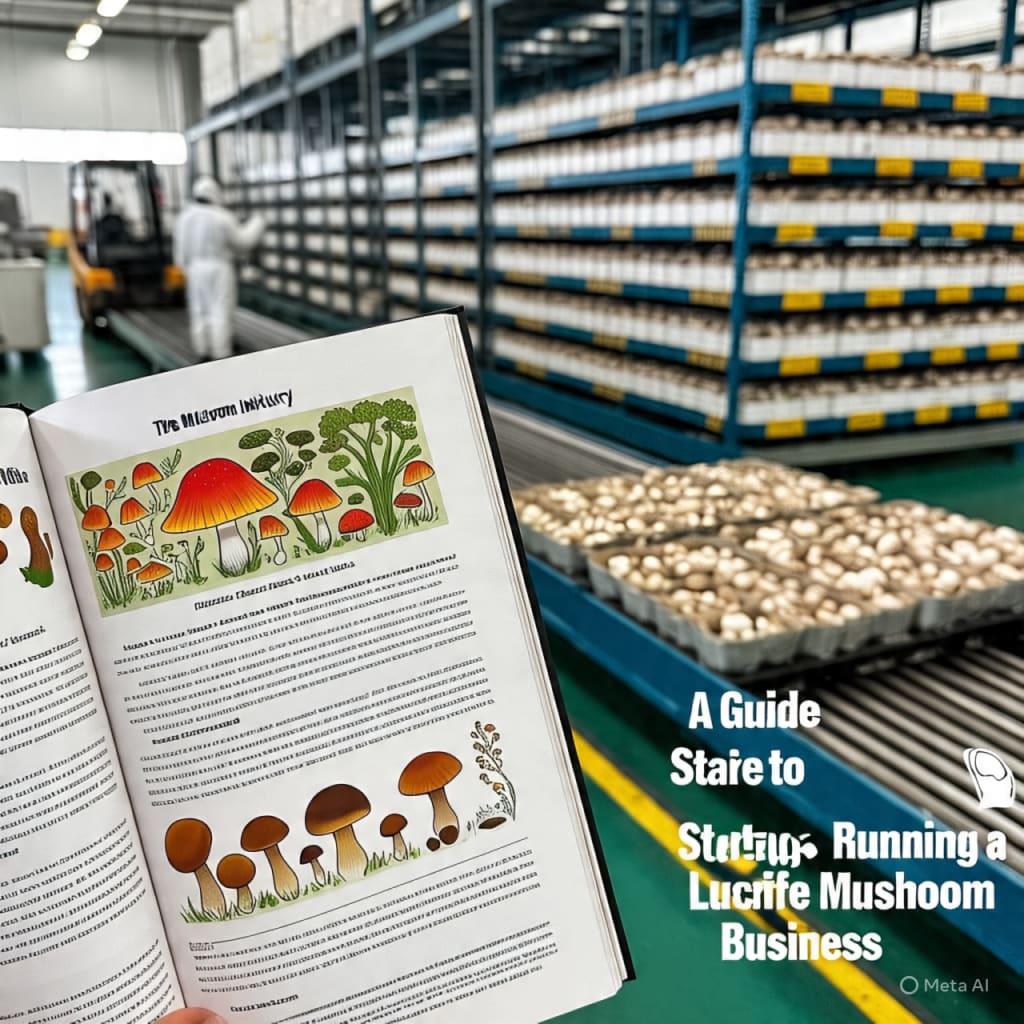
The mushroom industry has experienced significant growth in recent years, driven by increasing demand for mushrooms in various cuisines and industries. Mushrooms are a nutritious and versatile food product, rich in protein, fiber, and antioxidants, making them a popular ingredient in many dishes. Moreover, mushrooms have various industrial applications, including in pharmaceuticals, cosmetics, and biotechnology.
This article provides a comprehensive guide to starting and running a lucrative mushroom business, covering market sales, import-export, profit margins, and potential buyers.
Market Analysis and Sales
The demand for mushrooms is increasing globally, driven by growing awareness of their nutritional benefits and culinary versatility. The market for mushrooms is diverse, with various types of mushrooms catering to different consumer preferences. Some popular varieties include button mushrooms, cremini mushrooms, shiitake mushrooms, and oyster mushrooms.
- To sell mushrooms in the market, you can target various channels, including:
1. Wholesale markets: Supply mushrooms to restaurants, hotels, and foodservice providers.
2. Retail markets: Sell mushrooms to consumers through supermarkets, grocery stores, and online platforms.
3. Food processors: Supply mushrooms to companies that produce canned, frozen, or dried mushroom products.
4. Farmers' markets: Sell fresh mushrooms directly to consumers.
- Import-Export Opportunities
The global mushroom market is a significant player in international trade. Countries like China, the United States, and the Netherlands are major exporters of mushrooms. If you're planning to start a mushroom business, exploring import-export opportunities can be lucrative.

Some key import-export considerations include:
1. Market research: Identify countries with high demand for mushrooms and suitable trade agreements.
2. Quality standards: Ensure your mushrooms meet international quality and safety standards.
3. Logistics and transportation: Develop a reliable supply chain to maintain freshness and quality during transportation.
4. Tariffs and regulations: Understand import duties, taxes, and regulations in target markets.
*Potential Buyers*
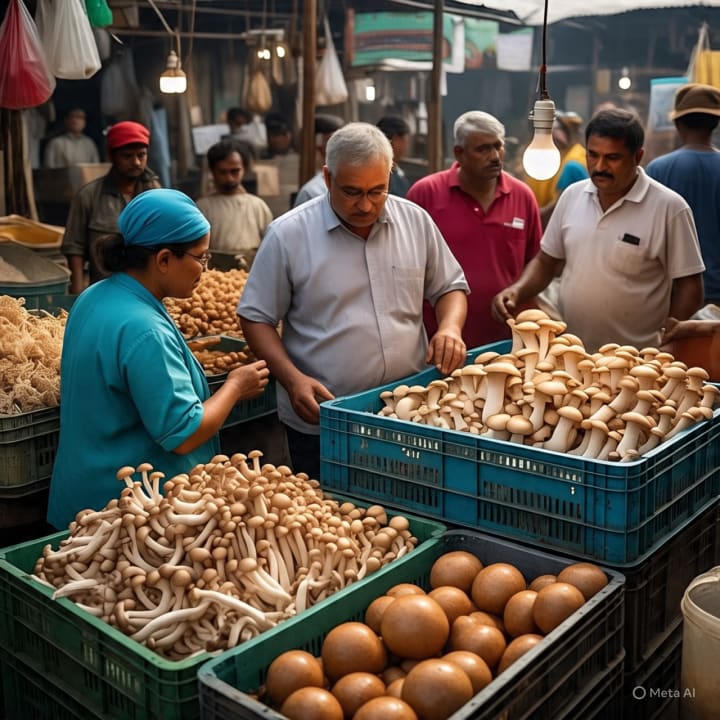
Your potential buyers will depend on your sales channels and market focus. Some potential buyers include:
1. Restaurants and hotels: Establish relationships with chefs and procurement managers to supply fresh mushrooms.
2. Food processors Develop partnerships with companies that produce mushroom-based products.
3. Supermarkets and grocery stores: Supply fresh or processed mushrooms to retailers.
4. Online platforms: Sell mushrooms directly to consumers through e-commerce websites or platforms.
*Profit Margin*

The profit margin in the mushroom business can vary depending on factors like production costs, market prices, and competition. Here are some rough estimates:
1. Production costs: The cost of mushroom cultivation, including substrate, labor, and overheads, can range from $1 to $5 per pound.
2. Market prices Fresh mushrooms can sell for $5 to $15 per pound, depending on the variety and quality.
3. Profit margin: A well-managed mushroom farm can achieve a profit margin of 20% to 50%.
*Starting a Mushroom Business*

To start a mushroom business, you'll need to consider the following:
1. Business planning: Develop a comprehensive business plan, including market analysis, production planning, and financial projections.
2. Mushroom cultivation: Choose a suitable mushroom variety and cultivation method, such as indoor or outdoor growing.
3. Infrastructure: Invest in necessary infrastructure, including growing facilities, equipment, and storage.
4. Marketing and sales: Develop a marketing strategy and establish relationships with potential buyers.
*Challenges and Opportunities*
The mushroom industry faces several challenges, including:
1. Disease and pest management Mushroom cultivation is susceptible to diseases and pests, which can impact yields and quality.
2. Market fluctuations: Mushroom prices can fluctuate due to seasonal demand, weather conditions, and other factors.
3. Regulatory compliance Ensure compliance with food safety and environmental regulations.
- Despite these challenges, the mushroom industry offers opportunities for entrepreneurs and businesses, including:
1. Growing demand iIncreasing awareness of mushroom benefits and culinary versatility drives demand.
2. Diversification MMushrooms can be used in various industries, including food, pharmaceuticals, and cosmetics.
3. Sustainability: Mushroom cultivation can be a sustainable and environmentally friendly business.
In conclusion, the mushroom industry offers a lucrative business opportunity for entrepreneurs and businesses. By understanding market dynamics, import-export opportunities, and potential buyers, you can establish a successful mushroom business. With proper planning, infrastructure, and marketing, you can capitalize on the growing demand for mushrooms and achieve a significant profit margin.
About the Creator
Keep reading
More stories from Bilal Muhammad and writers in Education and other communities.
Growing Mushrooms at Home
Growing mushrooms at home can be a fun and rewarding hobby, providing you with a constant supply of fresh, delicious mushrooms right in the comfort of your own home. With the right setup and knowledge, anyone can grow mushrooms indoors, regardless of their level of experience. In this comprehensive guide, we will walk you through the process of growing mushrooms at home, from setup to harvest.
By Bilal Muhammad8 months ago in Education
The Smart Investor’s Guide to Real Estate Success: Proven Tactics That Generate Results
Real estate investing remains one of the most reliable ways to build wealth in the United States. From steady rental income to long-term property appreciation, real estate offers multiple avenues for financial growth. However, success requires more than purchasing property. It demands strategic planning, careful analysis, and disciplined execution.
By Michael O'Sullivan Hampton6 days ago in Education




Comments
There are no comments for this story
Be the first to respond and start the conversation.