
The Most Effective CV Formats for Different Industries
The Most Effective CV Formats for Different Industries


When applying for a job, your CV is often the first impression you make on potential employers. As the competition intensifies across industries, it’s crucial to craft a CV that stands out for all the right reasons. Understanding the best CV formats for different industries can help you optimize your application, whether you're applying for a role in marketing, engineering, or healthcare. This article will explore the most effective CV formats for different industries, highlighting how each format can emphasize the most relevant skills, experience, and qualifications to make your application shine.
1. Introduction: The Importance of CV Formats for Different Industries
A CV (curriculum vitae) is more than just a list of your qualifications and work history. It's a reflection of who you are as a professional and a tool for conveying your potential to future employers. While the core principles of a CV remain the same—clarity, structure, and professionalism—the format can vary significantly based on the industry you're targeting. The best CV formats for different industries highlight particular skills, experiences, and qualifications that are most important for success in those fields.
2. Key Components of a Well-Structured CV
Before diving into specific industry recommendations, it’s important to understand the key components that should be present in every CV, regardless of the format. These include:
• Contact Information: Your name, phone number, email address, and LinkedIn profile link (optional).
• Professional Summary or Objective: A brief overview of your career and what you're looking to achieve in your next role.
• Skills: A list of hard and soft skills relevant to the position you're applying for.
• Work Experience: A chronological listing of your previous employment, with the most recent role first.
• Education: Your academic qualifications, including the name of the institution, degree obtained, and dates.
• Certifications and Training: Any additional qualifications or certifications that add value to your profile.
• Languages and Technical Skills: A section to showcase your proficiency in any languages or relevant software tools.
By organizing your CV around these elements, you create a solid foundation for any specific industry CV format you adopt.
3. CV Formats for Different Industries
Let’s explore the most effective CV formats for different industries and how they cater to the unique needs of each sector.
a. Marketing and Creative Industries
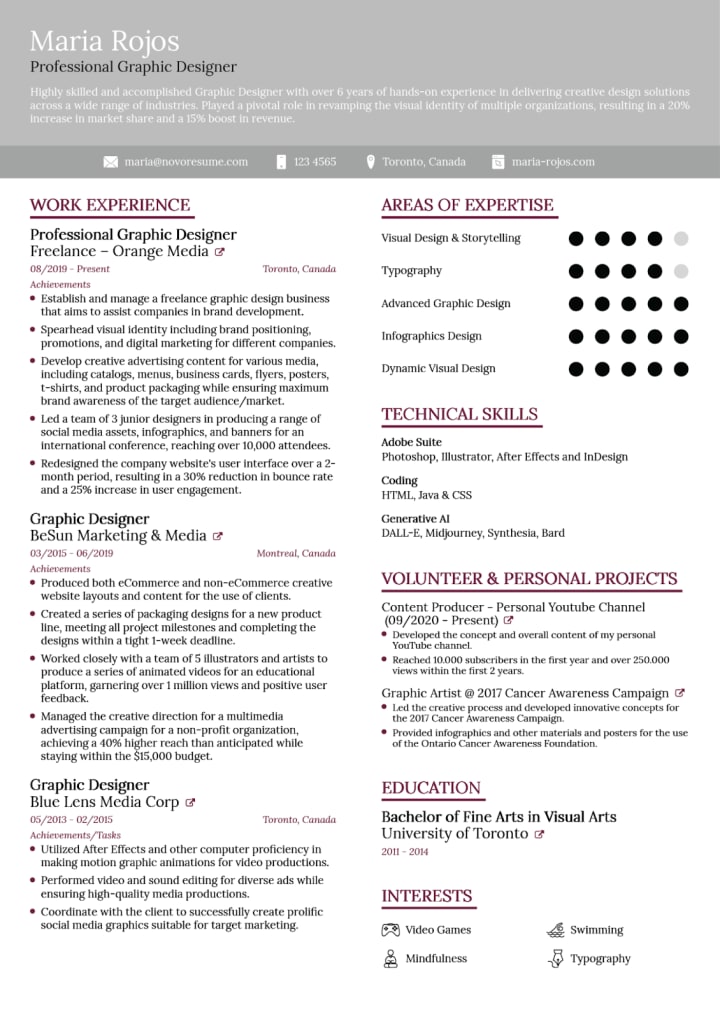
In creative fields like marketing, advertising, and graphic design, CV formats need to reflect your creativity, communication skills, and ability to think outside the box. Here's how to structure your CV for success in these industries:
• Creative Layout: A visually appealing design that incorporates color, fonts, and images (if appropriate) can help demonstrate your design skills. For example, graphic designers can showcase their portfolio directly within their CV.
• Professional Summary: Start with a strong professional summary that highlights your creativity, innovative projects, and specific expertise in areas like social media marketing, SEO, content creation, and brand strategy.
• Portfolio Link: Include a link to your personal portfolio or online work samples. This is particularly important for roles like graphic design, UX/UI design, or writing.
• Skills Section: Emphasize relevant technical skills such as knowledge of design software (e.g., Adobe Creative Suite) or digital marketing tools (e.g., Google Analytics, Hootsuite).
For marketing professionals, quantifiable achievements are key. Mention specific campaigns, social media growth, or conversion rates that demonstrate your success in achieving marketing goals.
b. Engineering and Technical Roles

Engineering and technical positions require a CV format that highlights your problem-solving abilities, technical knowledge, and practical experience. Here’s what to include in a CV for these industries:
• Clear Structure: Use a clean, easy-to-read layout with clear section headings. Focus on your technical expertise, achievements, and certifications.
• Professional Summary: Emphasize your technical skills, such as knowledge of specific engineering disciplines (e.g., mechanical, civil, software), as well as any significant projects or innovations you've been part of.
• Work Experience: List your previous technical roles in reverse chronological order. Focus on your contributions to engineering projects, any challenges you solved, and the results achieved.
• Technical Skills: Highlight your proficiency with relevant software, programming languages, or engineering tools (e.g., AutoCAD, MATLAB, Python).
• Certifications and Training: Engineering positions often require specific certifications. Make sure to list relevant certifications, such as Six Sigma, PMP, or specific industry qualifications.
Employers in technical fields value precision, so ensure your CV is error-free and presents your skills and experience in a clear, concise manner.
c. Healthcare and Medical Fields

For healthcare professionals, including doctors, nurses, and medical technicians, your CV must convey both your technical expertise and your interpersonal skills. Here’s how to approach it:
• Simple, Professional Layout: A straightforward, clean CV format works best, with an emphasis on your qualifications and experience in patient care.
• Professional Summary: Provide a brief summary that speaks to your medical qualifications, experience in patient care, and any specializations (e.g., pediatrics, cardiology).
• Clinical Experience: List your work experience, focusing on your clinical roles, patient care experience, and any specific medical procedures you are trained in. Include any internships or residencies as well.
• Certifications and Licensing: Include all relevant medical licenses (e.g., board certification, state licenses) and continuing education courses you have completed.
• Soft Skills: Healthcare employers value empathy and communication skills. Incorporate examples of how you've demonstrated these skills in your previous roles.
Healthcare professionals should also be prepared to demonstrate their understanding of patient care, safety protocols, and medical technologies.
d. Finance and Accounting

In finance and accounting, your CV should convey your analytical skills, attention to detail, and understanding of financial concepts. Here's what you should focus on:
• Structured Format: Use a simple, professional format with a clear focus on numbers and results. Financial employers want to see your ability to manage budgets, prepare financial reports, and make data-driven decisions.
• Professional Summary: Highlight your expertise in financial analysis, accounting, or investment management. Emphasize any financial certifications, such as CPA, CFA, or financial modeling expertise.
• Work Experience: List your financial roles, focusing on accomplishments like budget management, cost reductions, or increasing revenue.
• Technical Skills: Highlight your proficiency in financial software (e.g., QuickBooks, Excel, SAP) and your understanding of accounting principles (e.g., GAAP).
• Certifications: Include any relevant certifications, including CPA or CFA, to demonstrate your qualification and expertise.
A finance CV must show your ability to handle complex financial tasks while being clear and concise. Focus on measurable achievements and tangible results to demonstrate your impact.
e. Education and Teaching
Teachers and educators need a CV that reflects their ability to communicate, manage classrooms, and engage students effectively. Here’s how to structure your CV for teaching roles:
• Traditional Format: A straightforward format with clear headings works best for educational positions. Focus on your teaching experience, educational philosophy, and impact on students.
• Professional Summary: Include a summary of your teaching philosophy, areas of expertise (e.g., special education, STEM, language arts), and any educational certifications or licenses.
• Teaching Experience: List your teaching positions and any specific grade levels or subjects you’ve taught. Highlight accomplishments such as curriculum development or improving student outcomes.
• Certifications and Training: Include your teaching credentials, such as state teaching licenses or advanced degrees (e.g., M.Ed., PhD).
• Soft Skills: Highlight skills like communication, leadership, and adaptability, which are highly valued in the education sector.
For educators, it’s important to show not only what you have taught but how you have inspired and nurtured student growth.
4. Tailoring Your CV to the Job Posting
No matter what industry you’re applying to, it’s essential to tailor your CV for each job posting. Here are some tips:
• Keyword Optimization: Use industry-specific keywords, including skills and qualifications mentioned in the job description. Many companies use applicant tracking systems (ATS), so incorporating relevant keywords is crucial to getting noticed.
• Focus on Relevant Skills: Tailor your skills and experience to match the job requirements. For example, if the job posting highlights the need for expertise in a particular software or tool, ensure that your CV reflects this.
• Highlight Achievements: Whenever possible, focus on accomplishments rather than simply listing duties. Numbers, percentages, and specific achievements stand out more than general job descriptions.
5. Conclusion: Choosing the Right CV Format for Your Industry
When applying for jobs, understanding how to adapt your CV format to fit the specific needs of different industries is key to standing out to potential employers. Whether you're applying for a creative marketing role, a technical engineering position, or a healthcare job, the format of your CV can significantly impact your chances of success. By crafting your CV with a focus on industry-specific skills, experience, and qualifications, you increase the likelihood of landing your dream job.
Remember, the most effective CV formats for different industries are those that reflect your professional abilities while aligning with the expectations of employers in that field. Take the time to customize your CV for each application, and you’ll be well on your way to securing your next opportunity.
About the Creator
Shahrukh Mirza
my name is sharukh khan. and i am a content writer to resume and career advice .
i have a website to create resume for free
To create Resume online and abolutely Free:- https://resumeera.xyz
Keep reading
More stories from Shahrukh Mirza and writers in Education and other communities.
What is the Recommended Font Size for a One-Page CV/Resume That Will Be Printed Out?
Crafting a one-page CV or resume is an art that balances content, design, and readability. When your resume is destined for print, one critical element stands out: the font size on the resume. Choosing the right font size ensures your document is professional, legible, and appealing to hiring managers. But what is the recommended font size for a one-page CV/resume that will be printed out? In this article, we’ll explore this question in detail, offering practical tips, expert insights, and best practices for resume typography to help you create a standout document.
By Shahrukh Mirzaabout a year ago in Education
Legends of the Diamond: How Baseball’s Greatest Players Built a Timeless Legacy
Since its early days in dusty fields and growing towns, baseball has captured the imagination of millions. At the heart of this enduring appeal stand baseball legends who transformed the sport into a symbol of excellence and aspiration. These remarkable athletes did more than compete; they defined eras, inspired communities, and elevated the expectations of what players could achieve. As fans filled grandstands and tuned in from home, they witnessed moments that would echo across generations.
By Matthew Pothoff6 days ago in Education




Comments
There are no comments for this story
Be the first to respond and start the conversation.