
The Money Mindset
From Earning to Investing: A Roadmap to Lasting Wealth


Building Wealth Wisely: A 700-Word Guide to Earning Money
Money is not just paper or numbers in a bank account—it is a tool. When used wisely, it can build security, freedom, and opportunity. Yet many people chase money without understanding the foundations of how it is earned and grown. True wealth is not about luck or secret formulas; it is about mindset, skills, and consistent action.
Let’s explore how anyone, regardless of background, can earn money and set themselves on a path toward financial independence.
1. Start with Skills, Not Just Jobs
The first step in earning money is realizing that people do not pay for time; they pay for value. A cashier, a teacher, and a software engineer all spend hours working, but their pay differs because the market values their skills differently.
Instead of asking, “How can I make money?” ask, “What skills can I develop that others will pay for?” These could be technical (coding, design, data analysis), creative (writing, video editing, photography), or practical (plumbing, carpentry, cooking). The more rare and useful the skill, the higher the income it can command.
Invest in learning. Free resources—online courses, books, podcasts—can give you knowledge that was once locked behind expensive universities. Skill is the modern currency.
2. Multiple Streams of Income
Relying on a single paycheck is like balancing on one leg: possible, but unstable. Many people are learning the power of multiple income streams. These can include:
Active income: Your main job, freelancing, consulting, or part-time work.
Side hustles: Online businesses, digital products, tutoring, or services you can offer outside of working hours.
Passive income: Investments in stocks, bonds, real estate, or royalties from creative work. Passive income usually requires effort upfront, but it can grow into a reliable stream that works while you sleep.
Think of income streams as rivers. One river may run dry in a drought, but many rivers together can keep the land fertile.
3. Money Management Matters More Than Money Earned

It is not what you earn, but what you keep that determines wealth. Many high-income earners live paycheck to paycheck because their spending grows as fast as their salary. Financial discipline is a quiet superpower.
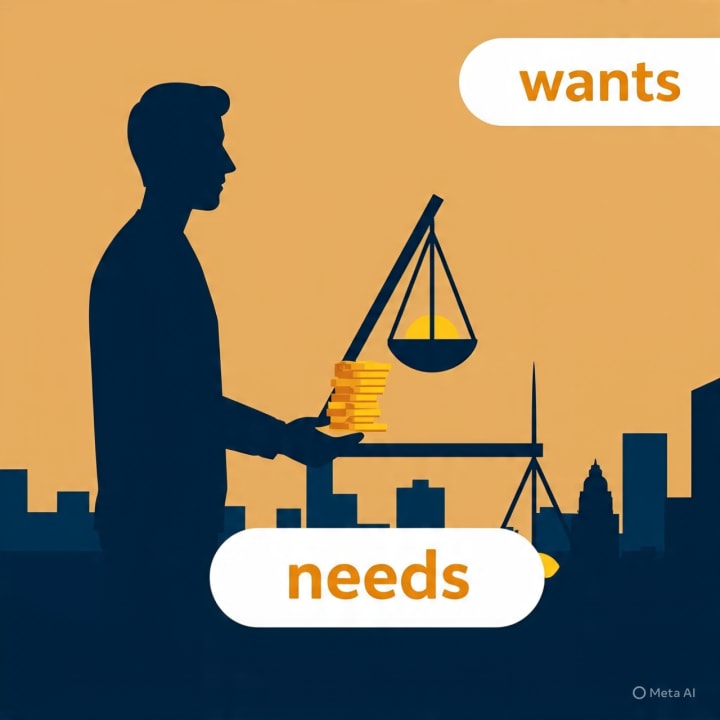
A simple rule is the 50/30/20 principle:
50% of income for needs (housing, food, bills)
30% for wants (travel, hobbies, entertainment)
20% for savings and investments
Tracking expenses can be eye-opening. Apps, spreadsheets, or even a simple notebook can show where money leaks away unnoticed. Once you see the leaks, you can patch them and redirect money toward growth.
4. The Power of Investing
Saving money keeps it safe, but investing money makes it grow. Inflation slowly eats away at idle cash, but investments allow your money to work for you.
Stocks: Buying shares in companies can build wealth over time. A broad market index fund is a safe start for beginners.
Real estate: Owning property, whether to rent or sell later, provides long-term value.
Businesses: Starting or investing in businesses can multiply returns if done wisely.
The key is patience. Compounding—the process where money earns interest, and then that interest earns more interest—turns small investments into large sums over years.
5. Mindset and Opportunity
Earning money is not only about strategy; it is about mindset. People who believe wealth is possible for them take different actions than those who believe money is scarce.
Opportunities often hide in plain sight. A person who notices a neighborhood’s need for tutoring can start a small teaching service. Someone who sees that businesses lack online presence can offer website design. The world rewards problem-solvers, not dreamers alone.
Fear often holds people back—fear of failure, of rejection, of looking foolish. But every successful entrepreneur, investor, or professional has failed many times. The difference is that they kept moving forward, learning from mistakes, and refining their approach.
6. Building Long-Term Wealth
Quick money fades quickly. True financial strength is built over time. A few guiding principles can protect and grow wealth:
Live below your means. Luxury is sweet, but freedom is sweeter.
Avoid debt traps. Not all debt is bad (a mortgage can build assets), but consumer debt like credit cards often chains people to endless interest payments.
Keep learning. The economy changes, technology evolves, and skills that earn today may fade tomorrow. Constant learning ensures relevance.
Think generationally. Money can secure not only your future but your family’s. Building assets and teaching financial wisdom passes wealth forward.
Conclusion
Money is earned not by wishing but by working, learning, and managing with intention. Build skills, create multiple income streams, manage what you have, invest for the future, and maintain a mindset of growth.
Wealth is not a prize given to a lucky few; it is the natural result of choices repeated daily. Each wise decision—every dollar saved, every skill mastered, every risk taken thoughtfully—is a stone laid on the path to financial independence.
The journey may take time, but time is your ally. Begin now, and let your money grow into the freedom and opportunities you deserve.
About the Creator
Keep reading
More stories from MoneyOrbit and writers in Education and other communities.


Comments
There are no comments for this story
Be the first to respond and start the conversation.