
The Modern Evolution of the Chemical Fume Hood: Function, Design, and Safety in Laboratories
Understanding the Critical Role of Fume Hoods in Laboratory Safety and Innovation

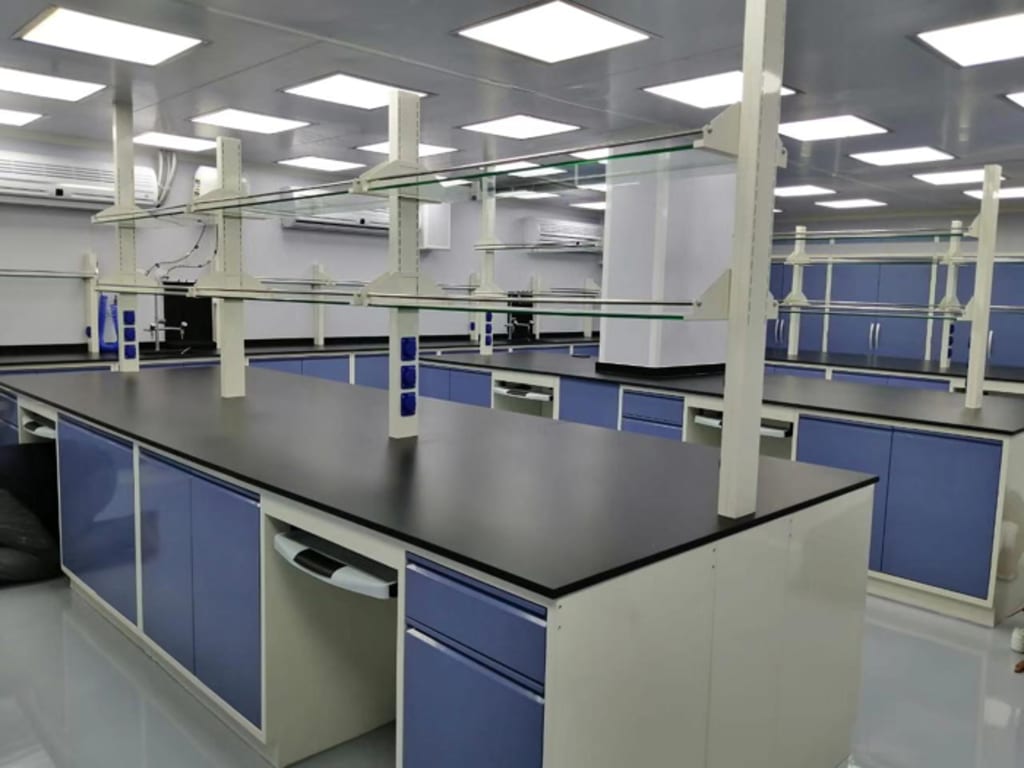
In laboratories across the globe, chemical fume hoods play a central role in ensuring safety, air quality, and workflow efficiency. Whether in educational settings, research labs, or industrial facilities, fume hoods serve as a frontline defense against harmful vapors, gases, and particulate matter. With evolving technology and increasing awareness around laboratory safety, the chemical fume hood has become more than just a basic containment system—it has developed into a sophisticated piece of engineering that balances performance, energy efficiency, and smart design.
This article explores the function and structure of fume hoods, the distinction between types (including intelligent fume hoods), how cost and design influence purchasing decisions, and how factory-made models are changing lab environments. Additionally, we will examine insights from Wikipedia's overview of the fume hood to contextualize its broader scientific and industrial relevance.
What Is a Fume Hood and Why Does It Matter?
A fume hood is a type of local ventilation device designed to limit exposure to hazardous or toxic fumes, vapors, or dusts. It is a fundamental piece of equipment in laboratories that deal with chemicals, providing a barrier between the user and potential hazards. According to the Wikipedia article on fume hoods, these systems operate by drawing contaminated air away from the user through a series of filters and exhaust systems, ensuring the lab environment remains safe.
The primary purpose of a fume hood is to protect personnel, but it also helps contain accidental spills, controls environmental contamination, and improves overall lab hygiene. Traditional ducted hoods have given way in many cases to ductless or intelligent fume hoods, which come equipped with smart sensors, auto-shutoff functions, and real-time monitoring systems.
Anatomy of a Chemical Fume Hood
A standard chemical fume hood consists of a robust enclosure, usually with a sash (movable glass window), internal airflow mechanisms, and an exhaust system. The working surface is often resistant to chemicals and heat, while the side panels are transparent for visibility. The hood functions by capturing and removing harmful substances before they can be inhaled or otherwise harm lab personnel.
Modern chemical fume hood design includes features such as:
- Airflow monitors
- Variable air volume systems (VAV)
- Low-flow technology
- Energy-efficient lighting
- Ergonomic sash handles
Each of these components contributes to creating a safe and efficient workspace, aligned with current best practices in laboratory safety.
Factors Influencing Chemical Fume Hood Cost
When evaluating chemical fume hood cost, institutions and researchers must consider more than just the upfront price. Long-term energy consumption, filter replacements, maintenance, and the cost of integrating the unit into existing infrastructure can all affect the total investment.
As outlined on this chemical fume hood supplier page, models vary in terms of complexity, size, and features. A basic ducted model may cost significantly less than a smart or ductless unit, but operational expenses could be higher. Conversely, an intelligent fume hood with real-time monitoring may have a higher initial price but provide savings and safety benefits over time.
Laboratories must also weigh the chemical fume hood price against local safety regulations, especially in countries with stringent environmental or occupational health standards.
How Fume Hood Design Affects Performance
Chemical fume hood design is not one-size-fits-all. Engineers and manufacturers are constantly innovating to reduce energy consumption, increase usability, and ensure optimal containment. Hood face velocity (the speed at which air enters the hood) is a critical performance metric—too low, and it won't contain fumes; too high, and it could disrupt the airflow balance in the lab.
Designers are also integrating noise reduction features and adjustable sashes to support both user comfort and safety. In environments with heavy use of corrosive substances, materials such as stainless steel or polypropylene may be used instead of traditional coated steel.
Some laboratories prefer modular fume hoods that can be reconfigured as research needs change. Others may opt for a chemical fume hood factory model that offers consistent quality and scalability.
Intelligent Fume Hoods: A New Generation of Lab Safety
The advent of intelligent fume hoods marks a shift from passive containment to active monitoring and adjustment. These systems are equipped with digital sensors that monitor air velocity, temperature, and contaminant levels. They can automatically adjust airflow rates, alert users to unsafe conditions, and even connect to cloud-based management platforms.
Such technology allows for greater compliance with safety protocols and reduces the margin for human error. Intelligent fume hoods are especially useful in high-stakes environments such as pharmaceutical R&D labs, where precision and safety are critical.
As seen in the offerings from this chemical fume hood factory, manufacturers are increasingly incorporating smart systems that align with the digitization of modern laboratory infrastructure.
Benefits Beyond the Laboratory
Although primarily found in labs, fume hoods are also used in educational institutions, forensics labs, hospitals, and industrial cleanrooms. Their application goes beyond chemical containment—many are used for biological research, nano-material handling, and even artwork preservation in museum labs.
With the growing demand for custom solutions, custom chemical fume hoods can now be tailored to fit specific needs, whether space constraints, chemical compatibility, or integration with other lab systems.
Key Considerations When Choosing a Chemical Fume Hood
When selecting a fume hood, decision-makers should consider:
Type of chemicals used: Acids, bases, organics, and particulates all require specific containment methods.
Ducted vs. ductless: Ducted hoods offer higher containment but involve complex installation. Ductless hoods are flexible and easy to relocate.
Maintenance: Filter replacement schedules and cleaning protocols affect total cost of ownership.
Energy use: Low-flow and VAV systems offer efficiency, especially in green-certified labs.
Compliance: Local safety regulations (e.g., OSHA, ANSI/AIHA) must be met or exceeded.
Understanding these variables helps ensure the chemical fume hood selected will provide both safety and long-term value.
Looking Ahead: Sustainable and Smart Lab Solutions
Sustainability is becoming a driving force in laboratory design. Fume hoods are notorious for consuming large amounts of energy, so eco-friendly designs are gaining traction. Energy-efficient motors, better sash management, and heat recovery systems are helping laboratories reduce their environmental footprint without compromising safety.
Factories specializing in chemical fume hood design are now offering models that meet LEED (Leadership in Energy and Environmental Design) standards. These solutions are not only environmentally responsible but also cost-effective over the long run.
The integration of smart technologies with sustainable materials may define the next generation of chemical fume hoods—products that ensure safety while aligning with global goals for energy reduction and workplace health.
Conclusion: The Lasting Value of a Well-Designed Fume Hood
As laboratories evolve in complexity and capability, so too must their safety infrastructure. The chemical fume hood remains one of the most important tools for protecting researchers and ensuring safe chemical handling. Whether you're considering a basic unit or an advanced intelligent fume hood, factors like cost, design, and factory standards will play a major role in your decision.
By leveraging modern chemical fume hood design and technology—along with guidance from trusted sources like the Wikipedia fume hood page—labs can stay ahead in safety, efficiency, and regulatory compliance. Choosing the right equipment today can help shape a safer, smarter tomorrow in scientific research and discovery.
About the Creator
Keep reading
More stories from charliesamuel and writers in Education and other communities.
Understanding Chemical Fume Hoods and Laboratory Fume Cupboards: A Safety Essential in Modern Labs
Introduction In scientific and industrial laboratories, where chemical experimentation is routine, ensuring a safe working environment is crucial. One of the most important elements in this framework is the use of specialized ventilation systems that manage and reduce exposure to hazardous fumes. Among these are the Chemical Fume Hood and the Laboratory Fume Cupboard, both designed to limit exposure to dangerous substances. These systems not only protect individuals but also ensure the integrity of the research being conducted. Understanding the distinctions, functions, and implementation of these safety devices is vital for laboratory personnel, engineers, and health and safety managers alike.
By charliesamuel6 months ago in Education
Core Skills Every Finance Professional Needs Today
Financial analysis is one of the most critical abilities for anyone working in finance today. Companies rely on clear and accurate financial information to make smart business decisions. Finance professionals must understand how to read numbers, study trends, and guide action based on facts. These must-have financial analysis skills help workers become stronger, more confident, and more valuable in their roles. When used well, these skills support better planning, lower risk, and long-term success. Because of this, developing strong financial analysis skills is essential for finance professionals at every level.
By Andrew Lake5 days ago in Education
Navigating the Most Complex Heart Conditions
Cardiology is advancing at a remarkable pace, thanks to next-generation imaging technologies that allow doctors to see the heart in extraordinary detail. For patients with complex or rare cardiac conditions, these tools provide insights that traditional methods often miss. By combining structural, functional, and metabolic imaging, physicians can make accurate diagnoses, plan effective treatments, and monitor progress with unprecedented precision. Modern cardiac imaging is redefining how heart disease is detected and managed.
By Nishi Patel5 days ago in Education
Wild Card Weekend Recap: What Happens Now?
I think I figured out why I love Wild Card Weekend so much. It's because it's the first playoff anything of the calendar year. The NFL season starts in the fall, and once upon a time, the champion was crowned either on or slightly before New Year's. The evolution of the NFL schedule has resulted in the playoffs starting just into the New Year, and currently, the final week of the season falls on the first weekend of the New Year, with Wild Card Weekend coming a week after that. So yes, chronologically, the NFL's Wild Card Weekend serves as the first playoff anything of the calendar year.
By Clyde E. Dawkins7 days ago in Unbalanced



Comments
There are no comments for this story
Be the first to respond and start the conversation.