
The Modern Evolution in Humans
A Comprehensive Journal Introduction


Evolution is an ongoing process that has shaped the biological existence of humans for millions of years. While the term "evolution" often brings to mind images of early hominids transitioning into modern Homo sapiens, evolution is not a relic of the past. Instead, it is a continuous and dynamic process that persists in modern human populations. The understanding of modern human evolution combines insights from genetics, anthropology, medicine, and environmental science. This journal explores the various dimensions of modern evolution in humans, the evidence supporting it, the mechanisms driving it, and the implications it holds for the future of humanity.
Historical Background of Human Evolution
Before delving into modern evolution, it is essential to understand the historical context of human evolution. Homo sapiens evolved approximately 300,000 years ago in Africa, a product of complex interactions between environmental pressures, genetic mutations, and natural selection. Our ancestors adapted to various ecological niches, developing traits such as bipedalism, larger brain sizes, and sophisticated tools. These adaptations were responses to changes in climate, geography, and competition.
The transition from hunter-gatherer societies to agricultural and industrial civilizations further influenced human evolution. For example, the ability to digest lactose in adulthood emerged in populations that practiced dairy farming. Similarly, the development of resistance to certain diseases, such as malaria through the sickle-cell trait, illustrates how humans have evolved in response to environmental challenges.
Understanding Modern Human Evolution
Modern human evolution refers to the genetic, physiological, and cultural changes occurring in Homo sapiens over recent millennia and even within contemporary populations. Despite technological advancements that have shielded us from some selective pressures, humans continue to evolve. The driving forces of modern evolution include natural selection, genetic drift, gene flow, and mutation.
Genetic Adaptations in Contemporary Populations
Lactase Persistence: One of the most well-documented examples of recent human evolution is lactase persistence, the ability to digest lactose beyond infancy. This genetic adaptation is prevalent in populations with a long history of dairy consumption, such as those in Europe and parts of Africa.
Altitude Adaptation: Populations living at high altitudes, such as Tibetans, Andeans, and Ethiopians, have developed genetic adaptations that allow them to thrive in low-oxygen environments. These adaptations include changes in hemoglobin levels and oxygen transport efficiency.
Disease Resistance: Certain genetic variations provide resistance to diseases. For instance, the CCR5-Δ32 mutation offers protection against HIV infection. Additionally, genetic adaptations against malaria, such as the sickle-cell trait and thalassemia, have evolved in regions where malaria is endemic.
Dietary Adaptations: The AMY1 gene, which codes for amylase production, is present in higher copies in populations with starch-rich diets. This adaptation enhances the ability to digest starchy foods, reflecting dietary influences on human evolution.
Cultural Evolution and Its Genetic Impact
Culture plays a significant role in shaping human evolution. The interaction between cultural practices and genetic changes is known as gene-culture coevolution. For example, the domestication of animals, agriculture, and urbanization have influenced human genetics by altering diets, disease exposures, and social structures.
Agricultural Revolution: The shift from foraging to farming led to population growth, sedentism, and new health challenges. Changes in diet and living conditions affected genetic selection, such as increased susceptibility to certain diseases and nutritional deficiencies.
Urbanization: Living in densely populated areas has shaped immune system responses. Populations exposed to a high burden of infectious diseases have developed stronger immune defenses.
Technology and Medicine: Advances in medical technology and healthcare have altered selective pressures. For instance, individuals with genetic disorders that might have been fatal in the past can now survive and reproduce, influencing the gene pool.
Epigenetics and Evolution
Epigenetics refers to changes in gene expression that do not involve alterations to the DNA sequence itself. These changes can be influenced by environmental factors, lifestyle, and stress, and in some cases, they can be inherited by subsequent generations.
Epigenetics adds a layer of complexity to our understanding of evolution. It suggests that human populations can adapt to environmental changes more rapidly than through genetic mutations alone. For example, maternal nutrition can influence the health and disease susceptibility of offspring through epigenetic modifications.
Human Evolution in the Context of Modern Medicine
Modern medicine has significantly influenced human evolution. Vaccinations, antibiotics, and advanced treatments have reduced mortality rates and altered the course of natural selection. While these interventions improve health outcomes, they also allow individuals with certain genetic predispositions to survive and reproduce.
Antibiotic Resistance: The widespread use of antibiotics has led to the evolution of resistant bacterial strains. This is an example of human-driven evolutionary pressure on microorganisms, which in turn affects human health.
Genetic Disorders: Medical advancements enable people with inherited disorders to live longer and healthier lives. This shifts the genetic landscape by maintaining the presence of certain deleterious genes in the population.
Reproductive Technologies: Assisted reproductive technologies, such as in vitro fertilization (IVF), have implications for human evolution by enabling reproduction in cases where it would not have been possible naturally.
The Role of Technology in Human Evolution
Technological advancements are not just altering our environment; they are also influencing our biological evolution.
CRISPR and Genetic Engineering: The advent of gene-editing technologies like CRISPR holds the potential to directly modify the human genome. This could lead to the intentional selection of traits, potentially accelerating human evolution in unprecedented ways.
Wearable Technology and Implants: Devices that monitor health or enhance physical capabilities could indirectly influence evolution by extending lifespans and improving quality of life.
Artificial Intelligence and Brain-Computer Interfaces: The integration of AI with human cognition through brain-computer interfaces could redefine what it means to be human, blurring the lines between biology and technology.
Globalization and Gene Flow
Increased global mobility and intermarriage between diverse populations have enhanced gene flow, leading to greater genetic diversity. This mixing of gene pools can introduce beneficial genetic variations and reduce the prevalence of certain inherited disorders.
Gene flow promotes adaptability by combining genetic traits from different populations, which can lead to new evolutionary trajectories. This diversity is crucial for the resilience of the human species in the face of environmental and health challenges.
Climate Change and Human Evolution
Climate change represents a significant selective pressure on modern humans. As environments shift, so too will the traits that confer survival advantages.
Migration Patterns: Rising temperatures and sea levels may force populations to migrate, leading to new interactions between genetic groups and potential evolutionary changes.
Disease Patterns: Climate change can alter the distribution of diseases, such as the spread of tropical diseases to temperate regions. This may drive genetic adaptations related to immune responses.
Resource Scarcity: Changes in food and water availability could influence physical and metabolic traits, potentially selecting for individuals better adapted to resource-limited environments.
Cognitive and Behavioral Evolution
Human cognition and behavior continue to evolve in response to changing social and technological landscapes. The digital age, characterized by constant connectivity and information overload, may be shaping attention spans, memory, and social interactions.
Neuroplasticity: The brain's ability to adapt structurally and functionally to new experiences is a form of evolutionary flexibility. The way we process information today differs from previous generations due to digital media consumption.
Mental Health: The rise in mental health disorders in modern societies may be partly influenced by evolutionary mismatches between our ancestral environments and contemporary lifestyles.
Social Structures: Shifts in family dynamics, community organization, and cultural norms impact reproductive choices and, consequently, evolutionary outcomes.
Ethical Considerations and Future Prospects
As humans gain the ability to direct their own evolution through genetic engineering and biotechnology, ethical considerations become paramount. Questions arise about the implications of designing future generations, the potential for inequality, and the definition of what it means to be human.
Designer Babies: The prospect of selecting traits such as intelligence, physical appearance, and disease resistance raises ethical dilemmas about eugenics and social justice.
Equity in Access: Access to genetic enhancements and medical technologies may widen existing social and economic inequalities.
Biodiversity and Conservation: Human actions impact not just our own species but the broader ecological systems. Preserving biodiversity is essential for maintaining evolutionary potential.
Conclusion
Modern human evolution is a multifaceted and ongoing process influenced by genetics, culture, technology, and environmental factors. While natural selection remains a driving force, human intervention through medicine, technology, and cultural practices is reshaping the evolutionary landscape.
Understanding modern evolution is crucial for addressing contemporary challenges such as disease, climate change, and social inequality. It also offers insights into our potential futures, where the convergence of biology and technology could redefine the human experience. As we navigate these changes, ethical considerations must guide our choices to ensure that the benefits of evolutionary advancements are shared equitably and responsibly.
In essence, evolution is not just our past; it is our present and our future. The story of human evolution continues to unfold, shaped by the dynamic interplay of nature, nurture, and innovation.
About the Creator
Fawad Khan
I’m Fawad Khan a passionate speaker and researcher sharing journals, fiction, history, education, current affairs, and English literature. With deep research and clear voice, I bring knowledge to life. Learn,grow, and stay informed with me.
Keep reading
More stories from Fawad Khan and writers in Education and other communities.
The Internet Wept
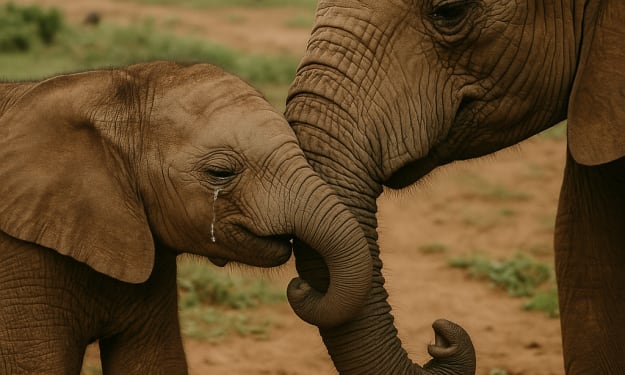
Hope Online In a digital age overflowing with divisive headlines and doomscrolling, one heartwarming story recently broke through the noise—restoring a sense of empathy and unity across the globe. A now-viral video of a baby elephant reuniting with its mother after days of separation has not only captivated millions but also reignited conversations about wildlife conservation and the emotional lives of animals.
By Fawad Khan8 months ago in Journal
Why Gold Prices Fluctuate: A Comprehensive Guide to Market Drivers
Gold has long symbolized stability, yet its market value can change quickly. Investors often associate it with safety, but gold price volatility remains a consistent feature of the financial landscape. Prices respond to shifting economic signals, global events, and investor expectations. Therefore, understanding what drives these movements helps investors make smarter and more strategic decisions.
By George Drazenovic7 days ago in Education
The Creative Kitchen Journey: Turning a Love for Cooking Into Everyday Inspiration
Cooking has evolved far beyond a simple daily responsibility. For many people, it has become a powerful source of creativity, relaxation, and personal satisfaction. After long hours spent working or managing daily responsibilities, the kitchen often becomes a place where individuals can unwind and reconnect with their passions. Preparing food allows people to experiment with flavors, textures, and presentation while enjoying the rewarding process of creating something from scratch.
By Greg Deshieldsa day ago in Education


Comments
There are no comments for this story
Be the first to respond and start the conversation.