
The Meaningful Ritual of Japanese Noodle Service
How Tradition, Flavor, and Mindfulness Shape an Everyday Culinary Treasure

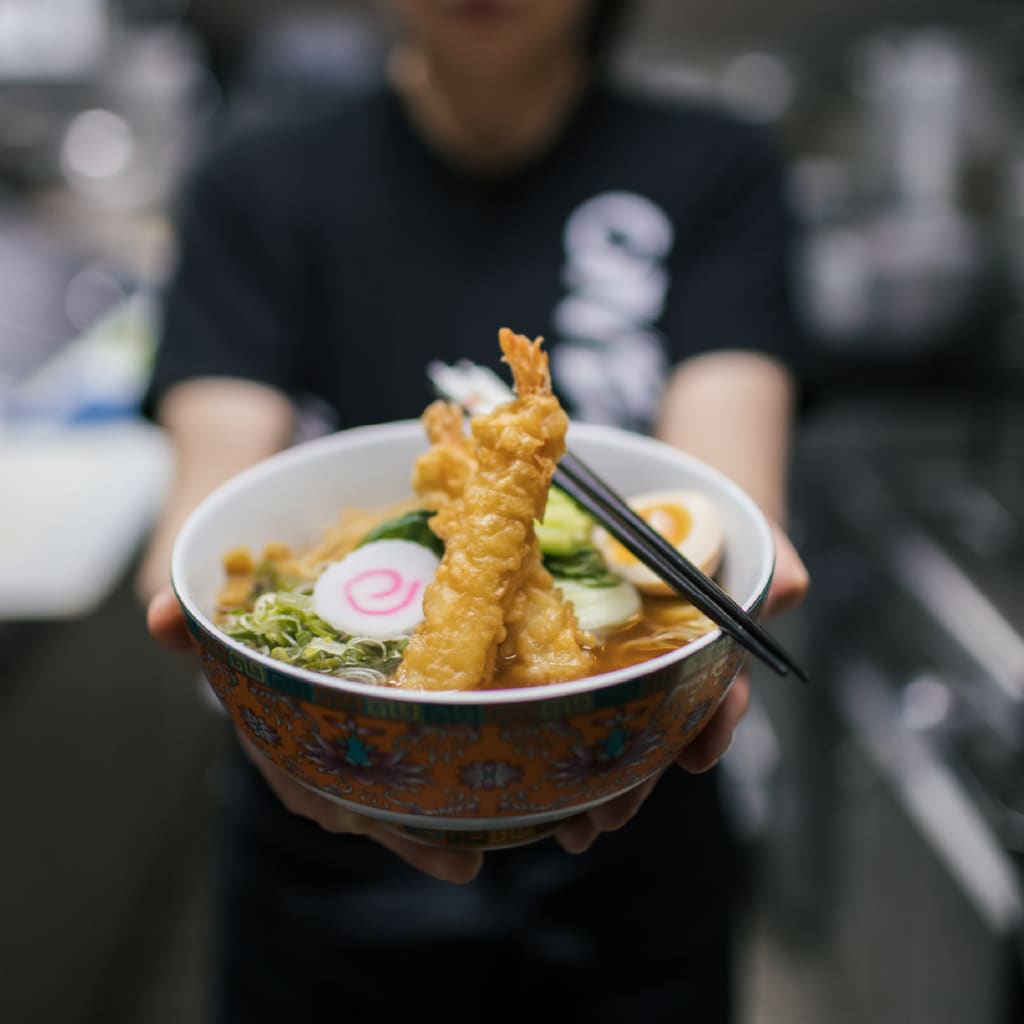
Japanese cuisine is celebrated worldwide for its elegance, balance, and respect for tradition. While sushi, tempura, and wagyu often capture international attention, one of the most beloved and culturally rich aspects of Japanese dining is noodle service. From the humble bowls of ramen to the refined presentations of soba and the celebratory traditions surrounding udon, noodles are more than food in Japan—they are a ritual, a cultural symbol, and a daily comfort. The meaning embedded in Japanese noodle service reveals not only the depth of Japan’s culinary heritage but also its values of mindfulness, community, and respect for simplicity.
Noodles as Cultural Icons
In Japan, noodles are not simply ingredients; they are cultural icons, each type carrying its own story. Ramen, introduced from China and adapted into a uniquely Japanese staple, represents innovation and regional diversity. Soba, made from buckwheat, is tied to centuries-old traditions and often associated with good fortune and longevity. Udon, thick wheat noodles, reflect comfort and home-style cooking, while somen, delicate thin noodles, are usually enjoyed in summer, symbolizing refreshment and lightness.
These noodles are not just food choices; they are woven into the fabric of Japanese life. The type of noodle served often reflects the season, the occasion, or the location. This variety underscores how deeply noodles are integrated into both daily routines and special ceremonies, making them more than a meal—they are expressions of cultural identity.
The Art of Presentation
In Japanese noodle service, presentation is as important as taste. The arrangement of the noodles, the choice of bowl, and the placement of garnishes are all done with intention. Bowls are often chosen for their aesthetic harmony with the food and the season. For example, ceramic bowls with earthy textures may be used in winter to evoke warmth, while glass bowls are favored in summer to convey a sense of coolness.
Garnishes, too, are carefully considered. Fresh scallions, grated ginger, nori, or tempura flakes are not just flavor enhancers but symbols of balance and beauty. This attention to presentation reflects the Japanese principle of ichigo ichie—“one time, one meeting”—which emphasizes treasuring each moment. Every serving of noodles is treated as a unique experience, meant to be fully appreciated in its fleeting perfection.
Rituals of Eating
The act of eating noodles in Japan carries its rituals. One of the most recognizable is slurping. To outsiders, it may seem unusual, but in Japan, slurping noodles loudly is a sign of appreciation and enjoyment. It also has practical purposes: the sound aerates the noodles, enhancing their flavor, and the motion cools them slightly, making hot dishes more comfortable to eat.
Another important ritual is the dipping style of soba or udon. Cold noodles are often served separately from the broth, inviting diners to dip each bite into a concentrated sauce before eating. This ritual encourages mindfulness—rather than consuming quickly, diners savor each bite, balancing noodles, sauce, and garnishes. Such rituals reflect the Japanese value of presence and attentiveness in even the simplest meals.
Seasonal Connections
Seasonality plays a central role in Japanese noodle service. Noodles are adapted to reflect the rhythms of nature and the cycles of the year. In summer, chilled soba or somen are served with light dipping sauces, often accompanied by seasonal vegetables. The dishes are designed to refresh the body during hot, humid months.
In contrast, winter highlights steaming bowls of udon or ramen, offering warmth and nourishment. Seasonal ingredients such as mushrooms, root vegetables, or yuzu zest are incorporated to align with nature’s bounty. Even the way noodles are presented changes with the seasons: bamboo trays in summer, ceramic bowls in winter. This harmony with nature reflects the Japanese aesthetic principle of wabi-sabi—the appreciation of impermanence and simplicity.
Symbolism and Tradition
Noodles in Japan are often associated with symbolic meaning. For example, eating soba on New Year’s Eve, a tradition called toshikoshi soba, is a ritual symbolizing the crossing into the new year. The long, thin noodles represent longevity, while their ease of cutting symbolizes letting go of hardships from the past year. Families across Japan gather to share soba on this occasion, connecting the act of eating with hope, renewal, and community.
Similarly, noodles are served at birthdays, weddings, and other celebrations as symbols of health, prosperity, and togetherness. These customs highlight how deeply ingrained noodles are in Japan’s cultural psyche—not just as food, but as meaningful markers of life’s transitions.
Regional Expressions
Japan’s geography and history have given rise to remarkable regional variations in noodle service. Ramen alone has countless regional styles, from the rich, miso-based broths of Hokkaido to the soy-flavored ramen of Tokyo and the tonkotsu (pork bone) ramen of Kyushu. Each variation reflects local tastes, climate, and agricultural resources, making noodle service a lens into Japan’s regional diversity.
Soba has its regional traditions as well. In Nagano, known for its high-quality buckwheat, soba noodles are considered a local specialty, often served with mountain vegetables or wild mushrooms. Udon takes on different forms across the country, from the firm Sanuki udon of Kagawa Prefecture to the softer styles favored in the Kansai region. These regional expressions show how noodles connect people not only to culture but also to place.
Noodles as Everyday Comfort
While steeped in tradition and symbolism, Japanese noodles are also beloved for their simplicity and accessibility. They are staples of everyday life, enjoyed at train stations, corner shops, and home kitchens. For many Japanese people, a bowl of noodles is not just a meal but a source of comfort and familiarity.
This accessibility does not diminish their cultural significance—it enhances it. The fact that something so significant is also so commonplace speaks to the integration of ritual and tradition into daily living. Noodles are reminders that meaningful experiences need not be rare or extravagant; they can be found in the quiet rituals of ordinary life.
Global Influence
In recent decades, Japanese noodle service has spread far beyond Japan, inspiring chefs and diners worldwide. Ramen shops now thrive in major cities around the globe, while soba and udon have become staples in international Japanese restaurants. While the flavors may be adapted to local palates, the essence of Japanese noodle service—the mindfulness, presentation, and symbolism—remains intact.
This global influence speaks to the universal appeal of noodles. They are adaptable, comforting, and deeply satisfying. At the same time, their Japanese roots remind us of the importance of tradition, respect, and connection in dining.
The Meaning Behind the Meal
The ritual of Japanese noodle service is meaningful because it transforms the act of eating into something more. Every step—from the careful preparation and artful presentation to the rituals of slurping or dipping—invites mindfulness and gratitude. Noodles connect people to tradition, to nature’s cycles, and to one another.
Ultimately, the power of Japanese noodle service lies in its balance of simplicity and depth. A bowl of noodles may appear humble, but it carries centuries of history, cultural values, and symbolism. It is a reminder that meals can nourish not just the body but also the spirit, offering comfort, connection, and a sense of belonging.
About the Creator
Table to Stix Ramen
Table to Stix Ramen is a ramen shop in Evanston, Illinois, that began operations in 2015. The company set a clear goal—to serve authentic Japanese ramen and small bites in a simple, welcoming setting.
Website: https://www.tabletostix.com/
Keep reading
More stories from Table to Stix Ramen and writers in Education and other communities.
Crafting Exceptional Dining Experiences: A Guide to Outstanding Customer Service in Restaurants
In the competitive restaurant industry, providing exceptional dining experiences is crucial to gaining repeat business and positive word-of-mouth. While delicious food is certainly essential, it's the overall experience—the service, the atmosphere, the small touches—that truly differentiates your restaurant. Mastering the art of customer service is key to ensuring that guests not only enjoy their meal but also leave with a memorable experience that keeps them coming back. This guide will explore the key elements of outstanding customer service that can elevate your restaurant's reputation and foster long-term customer loyalty.
By Table to Stix Ramen6 months ago in Education
Can You Really Earn Money With Transcription? The Real Income Reality
The short answer is yes—you can earn money with transcription. But the more honest, useful answer is this: transcription only becomes worthwhile when you understand how the income actually works, not how it’s often presented online.
By Mahesh Kumar3 days ago in Education
Beyond the Transcript: What Extracurriculars and Essays Reveal That Grades Cannot
Colleges today look far beyond GPAs and test scores to understand who applicants truly are. While academic metrics indicate preparedness for coursework, they fail to capture personality, resilience, passion, and potential contributions to campus life. This is why essays, extracurricular activities, and other non-academic elements of an application hold significant power. They offer admissions officers a fuller, richer, more human version of the student—one that no number can represent.
By Carmen Reid6 days ago in Education
Ludacris and Nelly draw backlash over bookings at MAGA-coded music festival
Ludacris and Nelly headlining a mostly right-wing event is good for them. It’s also great for the genre of hip hop. The two rap veterans have showcased their talents on other stages. Why can’t they perform for mostly MAGA folks and grab that bag?
By Skyler Saunders3 days ago in Beat


Comments
There are no comments for this story
Be the first to respond and start the conversation.