
The Landscape of Banned Books in 2025: Insights from the United States Department of Education
The impact of banned books in 2025 and the role of the U.S. Department of Education. Explore themes of censorship, freedom, and education in this insightful analysis.

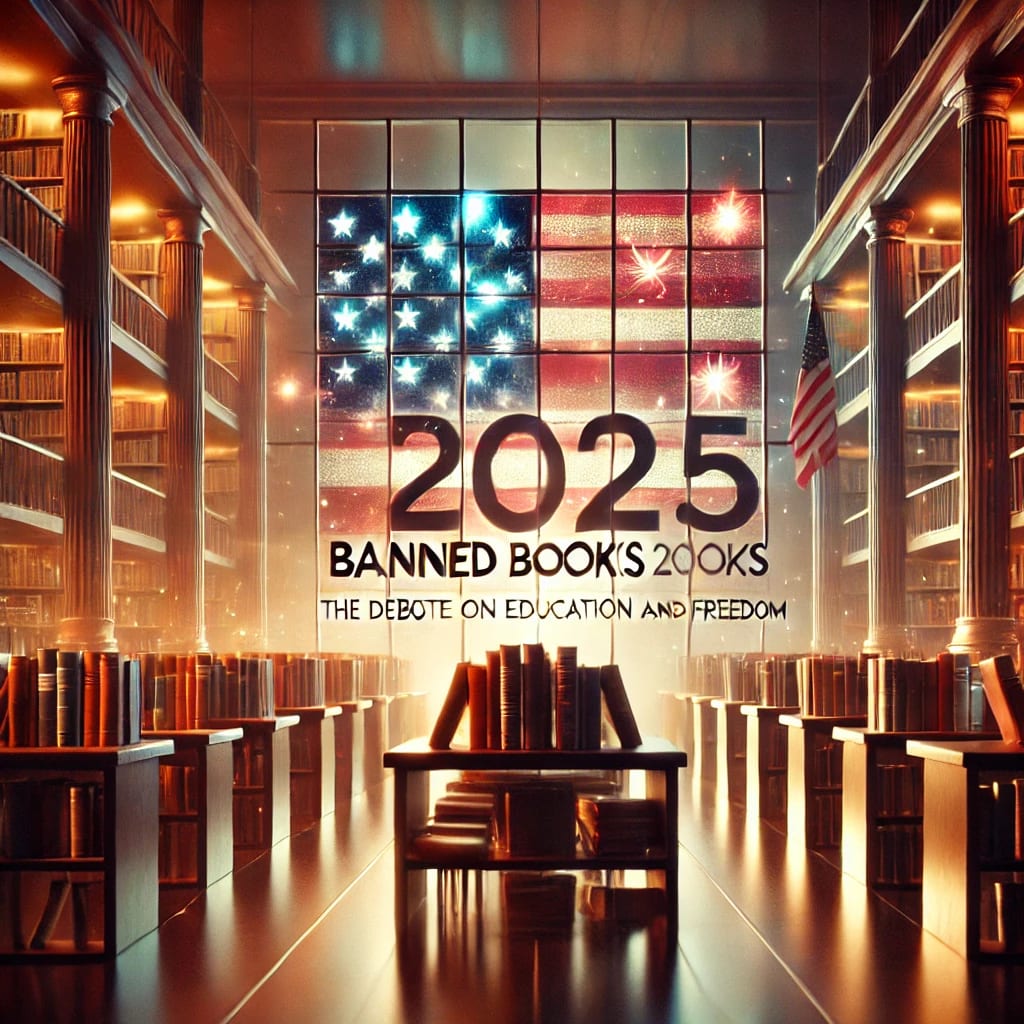
Book banning has long been a contentious issue in the United States, embodying the ongoing struggle between free expression and societal values. In 2025, the debate surrounding banned books has reached unprecedented levels, fueled by evolving educational policies and heightened cultural divisions. The Department of Education has emerged as a central player in this debate, implementing guidelines and directives that have sparked both praise and criticism. This article examines the current state of banned books in the U.S., exploring the reasons behind these bans, the role of the Department of Education, and the broader implications for freedom of expression and education.
A Historical Perspective on Banned Books
Banning books is not a new phenomenon in the United States. Historically, books have been challenged for addressing themes deemed inappropriate or controversial, such as race, religion, sexuality, or political ideology. Landmark cases like the censorship of "The Adventures of Huckleberry Finn" by Mark Twain or "To Kill a Mockingbird" by Harper Lee illustrate the enduring tensions between literary freedom and societal norms.
In the 21st century, these challenges have expanded, reflecting shifting cultural and political landscapes. Social media and the internet have amplified debates around what constitutes acceptable content, with parents, educators, and activists weighing in on what books should be available in schools and libraries.
The Role of the Department of Education in 2025
In 2025, the U.S. Department of Education has taken a more active role in shaping policies related to banned books. New federal guidelines were introduced earlier this year, aiming to standardize the review process for books in public schools. According to the Department, these policies are intended to "promote age-appropriate and culturally sensitive educational materials while respecting local values and parental input."
Key Elements of the Guidelines
Content Review Panels: The Department has mandated the establishment of local review panels, consisting of educators, parents, and community leaders, to evaluate books flagged for potentially inappropriate content.
- Transparency Requirements: Schools must publicly disclose the criteria used to ban or restrict books, ensuring accountability and reducing the perception of arbitrary decision-making.
- Appeals Process: Authors and publishers now have the right to appeal bans directly to the Department of Education, a move designed to add a layer of fairness to the process.
Reasons Behind Book Bans in 2025
The motivations for banning books in 2025 remain diverse, but certain themes have emerged as focal points in recent years:
1. Explicit Content
Books containing graphic depictions of violence, sex, or drug use continue to face scrutiny. Titles like "The Perks of Being a Wallflower" by Stephen Chbosky and "Looking for Alaska" by John Green have been recurrent targets of censorship for their frank discussions of adolescence.
2. Racial and Cultural Representation
Books addressing systemic racism, colonialism, and cultural identity often spark debates. Critics argue that such works promote "divisive ideologies," while supporters view them as essential for fostering critical thinking and empathy.
3. LGBTQ+ Themes
LGBTQ+ representation in literature remains a polarizing issue. Works like "Gender Queer" by Maia Kobabe have faced bans in several states for their exploration of nonbinary and queer identities, reflecting broader societal conflicts over LGBTQ+ rights.
4. Political Ideology
Books perceived as promoting specific political agendas, whether liberal or conservative, have also been banned. For instance, critiques of capitalism or explorations of socialism in books like "The Communist Manifesto" by Karl Marx have provoked controversy.
The Impacts of Book Bans
1. On Students
The most immediate impact of book bans is felt by students, who lose access to diverse perspectives and stories. Critics argue that banning books stifles intellectual curiosity and critical thinking, depriving students of the opportunity to engage with complex issues in a structured environment.
2. On Educators
Teachers and librarians often find themselves caught in the crossfire of these debates, facing pressure from parents, administrators, and policymakers. Many report feeling constrained in their ability to provide comprehensive education, fearing backlash for introducing controversial materials.
3. On Society
The broader societal implications of book bans are equally significant. Restricting access to certain ideas and narratives can perpetuate ignorance and bias, undermining efforts to build a more inclusive and informed society. Conversely, advocates of book bans argue that such measures are necessary to preserve cultural and moral values.
Criticism of the Department of Education’s Policies
While the Department of Education’s 2025 guidelines have been praised for introducing transparency and due process, they have also faced substantial criticism. Opponents argue that the policies:
- Encourage Overreach: By involving federal oversight, critics claim that the guidelines undermine local autonomy and centralize decision-making.
- Perpetuate Censorship: Some view the guidelines as legitimizing censorship under the guise of protecting students, setting a dangerous precedent for free expression.
- Fail to Address Underlying Issues: Critics contend that the policies focus on banning content rather than addressing the societal challenges that make certain books controversial in the first place.
Advocacy for Literary Freedom
Amid these debates, advocacy groups like the American Library Association (ALA) and PEN America continue to champion literary freedom. Their initiatives include:
- Banned Books Week: An annual event that raises awareness about censorship and celebrates the freedom to read.
- Legal Challenges: Advocacy groups frequently file lawsuits to contest book bans, citing violations of the First Amendment.
- Educational Campaigns: Efforts to educate the public about the value of diverse and inclusive literature are ongoing, aiming to counteract the effects of censorship.
The Path Forward
The future of banned books in the United States hinges on finding a balance between protecting young readers and preserving intellectual freedom. Possible steps include:
- Fostering Dialogue: Encouraging open conversations between parents, educators, and policymakers to address concerns without resorting to censorship.
- Promoting Media Literacy: Equipping students with the tools to critically evaluate content can mitigate fears about exposing them to controversial ideas.
- Reforming Policies: Ensuring that book review processes are fair, transparent, and inclusive can help build public trust and reduce tensions.
Conclusion
The debate over banned books in 2025 reflects deeper cultural and political divisions within the United States. As the Department of Education continues to refine its policies, the challenge lies in balancing competing interests while upholding the principles of free expression and educational integrity. Whether through advocacy, dialogue, or policy reform, the path forward requires a collective commitment to fostering an environment where diverse voices can be heard and respected. Ultimately, the fight against censorship is not just about books—it is about the kind of society we aspire to build.
About the Creator
Minecraft APK Download (Android, Pro Unlocked)
Fast free Minecraft APK Download for Android. Get Minecraft Pocket Edition, mods, and the latest version. Enjoy building and exploring in Minecraft PE. NBS Reborn APK.
Keep reading
More stories from Minecraft APK Download (Android, Pro Unlocked) and writers in Education and other communities.
EU Settlement Scheme Changes: What You Need to Know in 2025
The EU Settlement Scheme (EUSS) is a program established by the UK government to provide EU, EEA, and Swiss citizens, along with their families, the right to continue living and working in the UK after Brexit. Since its inception, the scheme has undergone numerous updates, and 2025 brings a fresh wave of changes that could significantly impact applicants, employers, and stakeholders. In this article, we explore these changes, their implications, and what you need to know to navigate this evolving landscape.
By Minecraft APK Download (Android, Pro Unlocked)12 months ago in Education
The Madness of King Trump
In light of what Trump has done in the wake of his unlawful attack on Venezuela and his unhinged quest to take over Greenland it becomes necessary for the military to refuse any and all orders coming out of the Dept. of Defense and the Trump Administration. Trump has once again proved to the rest of the world his delusions of grandeur have taken over from diplomatic solutions that would improve the quality of life for all populations.
By Dr. Williams6 days ago in Education
Emerging Trends in Hospitality Marketplaces Driving the Next Wave of Growth
Hospitality marketplaces are changing how travel businesses connect with guests. These platforms now shape pricing, visibility, and guest trust. As technology improves and travel habits shift, hospitality marketplaces are becoming more advanced and more selective. Businesses that understand these changes can stay ahead while others struggle to adapt.
By Jason Nissen7 days ago in Education
The Devil's Cut
“Comrade, finally you’re awake.” The voice was smooth, sensual. A flickering incandescent bar was all that lit the white, sterile room. All Vladimir remembered was everything going black. He tried to move his arms and found them strapped to the gurney.
By Matthew J. Fromm5 days ago in Fiction


Comments
There are no comments for this story
Be the first to respond and start the conversation.