
The Kingdom of the Turning Tides
A Tale of Power, Balance, and the Art of Leadership
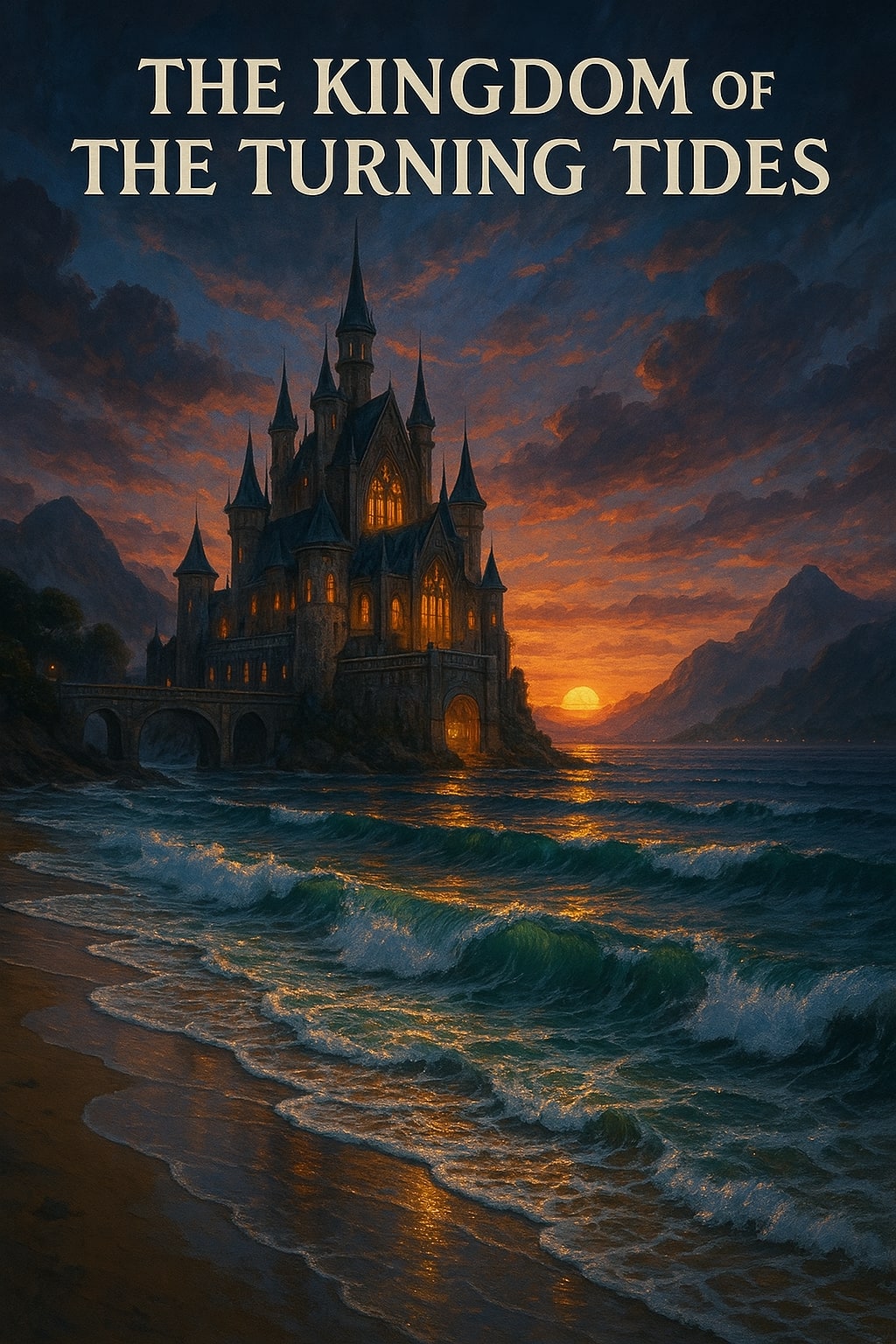
In the land of Velmara, where rivers ran deep and mountains touched the sky, a council—not a king—ruled the land. The Council of Five was chosen by the people every few years, ensuring no single person held all the power. This system, known as The Great Balance, kept Velmara from falling into tyranny or chaos.
Each councilor represented a different part of the kingdom:
Lord Ferris, the merchant’s voice, fought for trade and wealth, believing a rich kingdom was a strong one.
Lady Miriam stood for farmers and workers, demanding fair wages and better conditions.
Sir Alden, the general, prioritized military strength, warning that without security, nothing else would matter.
Scholar Linnaeus, the intellectual, pushed for education and innovation, arguing that knowledge was the true power.
Madam Celeste, the people’s advocate, fought for justice and fairness, ensuring the weakest were protected.
Every election, the people shifted the balance of power, voting based on their needs. Some years, merchants and the military held control, leading to prosperity but hardship for laborers. Other years, workers and scholars gained influence, bringing progress but economic struggles. The kingdom was never at perfect peace—politics was a constant push and pull.
Then, one year, disaster struck. A brutal drought dried the rivers and withered the fields. Food became scarce, and people cried out for help. But the Council was divided.
Lord Ferris argued that merchants should set prices freely. "Trade must continue, or the kingdom will collapse."
Lady Miriam demanded emergency grain distribution. "Farmers feed the land; they must be protected first."
Sir Alden warned that riots and thieves would emerge. "Without order, Velmara will fall to chaos."
Scholar Linnaeus suggested investing in better farming methods for the future. "The answer lies not in the present, but in tomorrow."
Madam Celeste insisted that the poor needed food immediately. "Justice means ensuring no one starves."
Weeks passed, and no decision was made. Tensions in Velmara rose. Protests broke out. Some citizens blamed the council, others blamed each other. The kingdom was on the verge of collapse.
Then, a simple farmer named Theo stood before the Grand Forum. He was no leader, no scholar, no warrior—just a man who had lost his crops and his hope.
He spoke with steady resolve. "Every councilor holds a piece of the truth, yet none of you can save Velmara alone. We need trade, but also fairness. We need strength, but also knowledge. We need justice, but also stability. Politics is not about winning—it is about balancing the needs of all."
His words rippled through the crowd. The councilors, realizing the wisdom in his speech, finally came together. They crafted a plan that blended their ideas—a temporary food ration for the poor, support for struggling farmers, fair trade regulations, and investment in new farming techniques.
With this compromise, the kingdom survived. The people saw that politics was not just about fighting for power—it was about finding common ground.
As the years passed, Velmara continued its endless cycle of shifting tides. Elections came and went, leaders rose and fell, and the debates never ceased. But so long as the people remained engaged, and their leaders remembered that no single voice held all the answers, Velmara endured.
Moral: Politics is not about winning—it’s about compromise, balance, and finding a way forward together.
About the Creator
The Mountain Within
In a quiet village nestled between rolling hills and thick forests, lived a young man named Kiran. He was known for his kindness, but also for his lack of confidence. People often said, “Kiran is a good boy, but he doesn’t dream big.” And it was true—Kiran never dared to look beyond the borders of his small village.
By WASEE Yes10 months ago in Motivation
Easy Home Makeovers With Budget-Friendly Interior Design Hacks Anyone Can Try
A stylish home does not have to cost a fortune. With smart thinking and simple actions, you can refresh any space without stress. This guide shares practical budget-friendly interior design hacks that help everyday homes look better and feel more comfortable. These ideas focus on clarity, ease, and real results. They are designed for real people with real budgets.
By Erika Mackinnon4 days ago in Education



Comments
There are no comments for this story
Be the first to respond and start the conversation.