
The Joy of Giving: How Generosity Boosts Happiness and Health
Why Generous Acts Make Us Feel Better and Live Longer

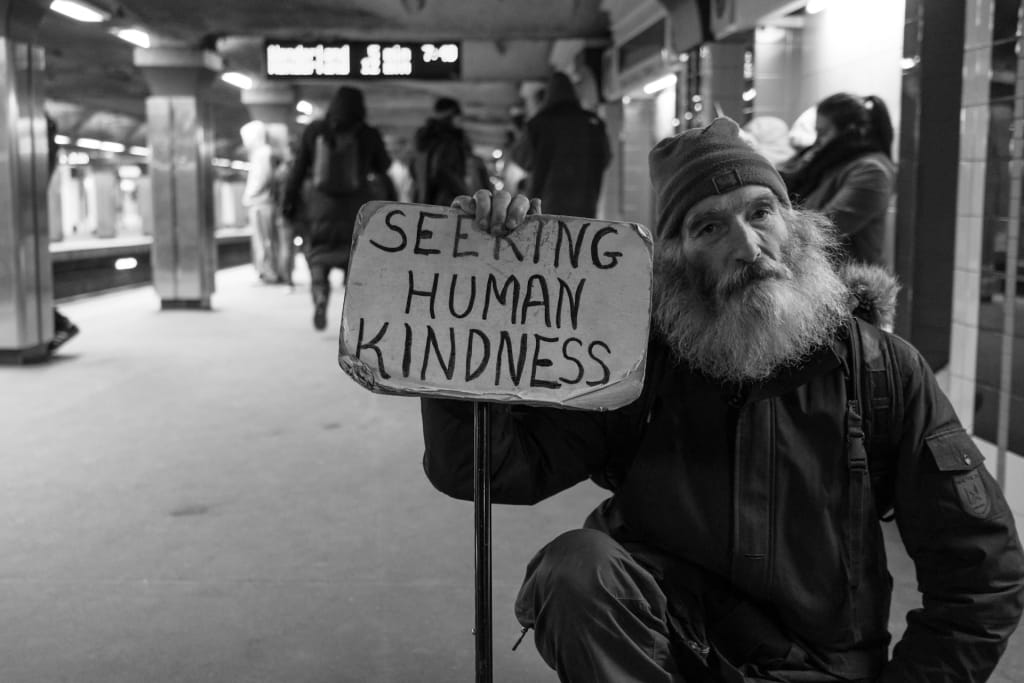
Being generous is more than just a kind act. Research indicates that giving to others can lead to increased happiness and improved health. The psychology of generosity is a growing field that explores how acts of kindness affect our mood, brain, and body. While it may seem like a simple idea, the truth is that giving has a profound impact on our well-being.
Generosity is not just about money. It can include time, attention, a helping hand, or even kind words. No matter how it is expressed, generosity connects people, improves mood, and can lead to a longer, more meaningful life. This article examines the importance of generosity, its impact on both the mind and body, and offers practical strategies for cultivating generosity in everyday life.
What Happens in the Brain When We Give
When someone gives, the brain reacts specially. Scientists have found that generosity lights up the brain’s “reward center,” known as the mesolimbic pathway. This part of the brain releases dopamine, a neurotransmitter associated with feelings of joy and motivation. This is the same part of the brain that lights up when people eat their favorite food or hear music they enjoy.
Giving also boosts another brain chemical called oxytocin. Often referred to as the “love hormone,” oxytocin helps people feel more connected and trusting. When we give to others, especially in person, oxytocin levels rise. This leads to stronger social bonds, making people feel more connected to their community.
In short, the brain treats giving as a reward. This natural boost in mood encourages people to continue generous behavior. It is a cycle that creates both emotional and social benefits.
Generosity Reduces Stress and Improves Health
The psychology of generosity goes beyond the brain. It also affects physical health. People who give regularly often report lower levels of stress. When someone helps others, their body releases hormones that counteract the effects of cortisol, the body’s primary stress hormone. Lower cortisol levels lead to better sleep, a stronger immune system, and reduced tension in the body.
Studies have shown that generous individuals often have lower blood pressure and fewer signs of heart disease. Older adults who regularly volunteer or give to others tend to live longer and remain more active. Even small acts of generosity, like helping a neighbor or donating gently used clothes, can improve well-being over time.
Generosity may also lead to fewer symptoms of depression. Focusing on others' needs shifts the attention away from personal worries, creating a sense of purpose. People who feel needed are more likely to experience positive emotions and maintain good mental health.
Giving Builds Meaningful Connections
Generosity is a powerful way to build relationships. When someone gives, they are not only offering help; they are also showing trust, care, and empathy. This often leads to stronger friendships, healthier family relationships, and more cohesive communities.
Giving brings people together. It breaks down walls and builds bridges. Whether it’s through group volunteering or a shared fundraising effort, acts of giving create shared experiences. These moments help people bond over common values and build lasting trust.
Social connection is one of the key reasons why giving leads to happiness. Humans are wired to connect, and generosity is one of the best ways to deepen those connections. Being generous can also help reduce feelings of loneliness, especially in times of change or hardship.
Why Giving Makes Life More Meaningful
Many people want to live a life filled with purpose. The psychology of generosity shows that helping others is one way to achieve that. When people give, they feel like they are making a difference. This feeling can lead to increased self-worth and a more profound sense of life satisfaction.
Giving reminds us that we are part of something larger than ourselves. It takes the focus off daily struggles and encourages long-term thinking. Even when life is hard, being generous can help people see the bigger picture and feel that their actions matter.
People who give regularly often describe their lives as more fulfilling. They report feeling more hopeful and more grateful. This is because giving helps shift attention away from what is missing and toward what is possible.
Generosity Is Good for All Ages
Anyone can benefit from giving — young or old. Teaching children to be generous from an early age helps shape their values and emotional skills. Kids who learn to share and help others often grow up to be more confident, happy, and kind adults.
For teens and young adults, volunteering can build leadership and teamwork skills. It also helps young people feel part of a bigger cause. Giving helps them see that they can make a real difference in the world.
Older adults also benefit from generosity. Many retirees who volunteer say it keeps them active, connected, and mentally sharp—offering opportunities that allow older people to share their wisdom and stay engaged with others.
Generosity works at every stage of life. No matter your age, giving brings lasting rewards for the mind, body, and spirit.
How to Practice Generosity Every Day
Becoming more generous does not require significant changes or a substantial amount of money. It starts with small actions done with care and intention. Saying thank you, listening to someone upset, or dedicating time to a cause can all have significant effects.
Try giving without expecting anything in return. True generosity stems from a place of kindness, not a desire for reward. Over time, giving becomes a habit — one that builds happiness and strengthens well-being.
Generosity can also be shared with others. When families, schools, or workplaces make giving a part of daily life, the benefits grow. A culture of providing spreads quickly and inspires everyone to act with greater care and compassion.
The psychology of generosity is clear: giving makes people feel better, live longer, and stay healthier. It helps the brain release feel-good chemicals, lowers stress, and strengthens relationships. Giving also adds meaning and purpose to life at every age.
By understanding why generosity matters, individuals can make more informed choices about how they give and live. Even the smallest acts of kindness can create waves of change. In a world that often feels fast and divided, generosity is one of the most powerful tools we have to build joy, health, and connection.
About the Creator
Josh Bartch
Josh Bartch is a seasoned investor, entrepreneur, and consultant with over 15 years of experience navigating the complexities of global capital markets.
Portfolio: https://joshbartch.com/
Keep reading
More stories from Josh Bartch and writers in Education and other communities.
The Hidden Benefits of Generosity: How Giving Can Enhance Your Health and Happiness
Generosity is often seen as an act of kindness toward others, but the benefits of giving extend far beyond the recipients of our help. The science behind generosity reveals that engaging in selfless acts can significantly improve our mental and physical health. Whether it’s offering your time, donating resources, or simply lending a hand, generosity can provide lasting rewards. This article delves into how giving not only makes us happier but also healthier, and why incorporating generosity into our lives can have profound, long-term effects.
By Josh Bartch6 months ago in Education
Top 10 SEO Experts In Pakistan In 2026
Introduction Search optimization in 2026 no longer revolves around keywords or isolated ranking tactics. Google’s AI Overviews, entity-based indexing, and answer-first systems have changed how visibility is earned. Search engines now evaluate meaning, credibility, and contextual authority rather than mechanical signals.
By Sajid Ali Shar3 days ago in Education
Colors and Such
Before I retired in 2020, I worked as a Nursing instructor in one of the nation's largest community colleges. It was a job I thoroughly enjoyed for fifteen years because I had a heart for the students and genuinely wanted to invest in them and their futures.
By Shirley Belk5 days ago in Education



Comments