
The Journey of Electrical Energy:
Fields, Circuits, and Power Lines
Introduction
The Giant Circuit Setup
Components of the circuit
Assumptions made for simplicity
Understanding Electrical Energy Flow
The misconception about electron flow
James Clerk Maxwell and the discovery of electromagnetic fields
Poynting's Vector and Energy Flow
John Henry Poynting and the Poynting vector
Describing energy flux and its calculation
Energy flow in light and electromagnetic fields
Energy Flow in a Simple Circuit
Analysis of a circuit with a battery and a light bulb
The role of electric and magnetic fields
Energy transmission through the circuit
Energy Flow in Power Lines
Alternating current and its properties
Understanding energy flow in power lines
The role of electric and magnetic fields in transmission
The Importance of Fields in Energy Transmission
The fallacy of electron-based energy transmission
Clarifying the role of electric and magnetic fields
Lessons learned from undersea telegraph cables
Answering the Giant Circuit Question
The time it takes for the bulb to light up
Explaining the correct answer
Conclusion
Imagine you have a giant circuit consisting of a battery, a switch, a light bulb, and two wires that are each 300,000 kilometers long. In this scenario, the wires would reach out halfway to the moon and then come back to be connected to the light bulb, which is only one meter away. The question arises: after closing the switch, how long would it take for the bulb to light up? This article aims to explore the concept of electrical energy flow and provide a comprehensive understanding of how it travels from a power source to devices like light bulbs. By delving into the role of electric and magnetic fields, we will debunk common misconceptions and shed light on the fascinating truth behind energy transmission. So, fasten your seatbelts as we embark on this electrifying journey!
1. Introduction
Before we delve into the intricate details of electrical energy flow, let's set the stage by understanding the setup of the giant circuit. This circuit includes essential components like a battery, a switch, a light bulb, and two incredibly long wires. However, to simplify our analysis, we need to make a few assumptions. These assumptions include considering the wires to have no resistance and assuming that the light bulb immediately illuminates when current passes through it. With these assumptions in place, we can explore the remarkable journey of electrical energy.
2. The Giant Circuit Setup
In this section, we will discuss the various components of the giant circuit and the simplifying assumptions we have made. Understanding the physical setup of the circuit is crucial for comprehending the mechanisms behind energy transmission. By examining the role of each component, we can gain insights into the intricate workings of the circuit.
3. Understanding Electrical Energy Flow
It's time to address a common misconception about electrical energy flow—the notion that it is carried by electrons moving through conductors. To debunk this misconception, we need to explore the groundbreaking work of James Clerk Maxwell. Maxwell's discoveries about electromagnetic fields revolutionized our understanding of light and energy transmission. By unraveling the relationship between electric and magnetic fields, Maxwell paved the way for a deeper comprehension of energy flow.
4. Poynting's Vector and Energy Flow
John Henry Poynting, one of Maxwell's former students, further expanded our understanding of energy transmission through his exploration of energy flux. P.
Poynting introduced a mathematical concept known as the Poynting vector, which played a crucial role in describing the flow of energy in electromagnetic fields. The Poynting vector represents the direction and magnitude of energy flux, indicating how energy propagates through space. By understanding the principles of the Poynting vector, we can gain insights into the intricate mechanisms of energy flow.
The calculation of energy flux using the Poynting vector involves considering both electric and magnetic fields. These fields interact with each other, creating a dynamic interplay that enables the transfer of energy. In the case of light, for instance, the electric and magnetic fields oscillate perpendicular to each other, resulting in the propagation of energy.
5. Energy Flow in a Simple Circuit
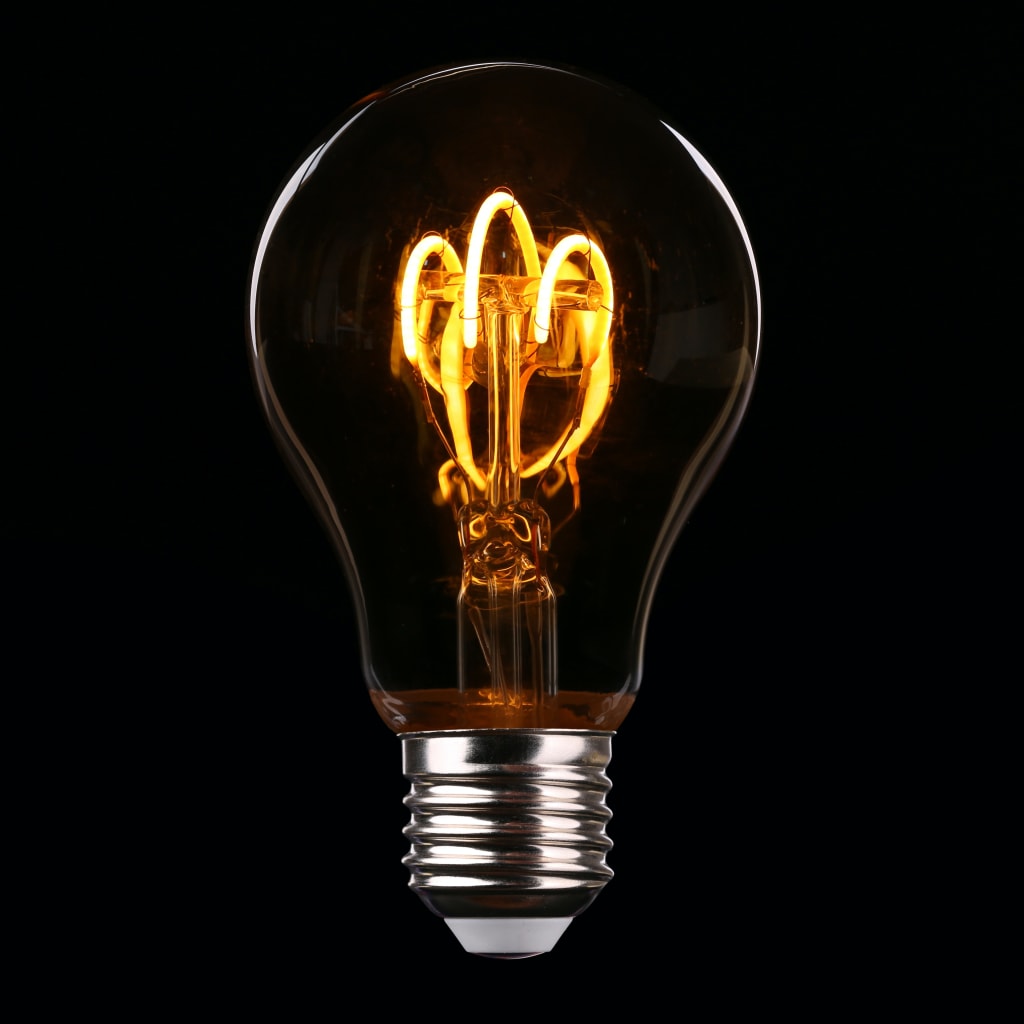
Now, let's apply our understanding of energy flow to a simple circuit consisting of a battery and a light bulb. When the switch in the circuit is closed, a current is established, and energy is transmitted from the battery to the light bulb. The flow of energy occurs through the combined action of electric and magnetic fields.
As the current flows through the wires, the electric field is established along the conductor, while the magnetic field forms concentric circles around the wire. These fields work together, enabling the transmission of energy to the light bulb. Once the energy reaches the light bulb, it is transformed into light and heat, causing the bulb to illuminate.
6. Energy Flow in Power Lines
Moving beyond simple circuits, let's explore the transmission of electrical energy through power lines. In most power systems, alternating current (AC) is utilized for efficient long-distance transmission. AC periodically changes direction, enabling the use of transformers to step up or step down the voltage as needed.
In the case of power lines, energy is transmitted through a combination of electric and magnetic fields surrounding the conductors. The alternating current creates alternating electric fields, while the current itself generates alternating magnetic fields. These fields work in tandem, facilitating the efficient transmission of energy over long distances.
7. The Importance of Fields in Energy Transmission
It is essential to address the fallacy of electron-based energy transmission. While electrons do play a role in conducting current, they do not actually carry the energy from the power source to the device. Instead, it is the electric and magnetic fields that facilitate energy transmission.
A valuable lesson in understanding the significance of fields can be learned from the history of undersea telegraph cables. Initially, there was a misconception that the energy transmitted through these cables involved the movement of electrons across vast distances. However, it was later realized that the energy was actually conveyed through the electromagnetic fields surrounding the cables. This realization revolutionized our understanding of energy transmission and highlighted the role of fields in the process.
8. Answering the Giant Circuit Question
Finally, let's address the initial question regarding the time it takes for the light bulb in the giant circuit to light up. Given that the wires in the circuit are incredibly long, reaching halfway to the moon, one might assume that it would take a significant amount of time for the energy to reach the bulb. However, this is not the case.
Since the speed at which energy is transmitted through the wires is close to the speed of light (in the order of meters per second), the energy reaches the light bulb almost instantaneously. The correct answer to the question is that it takes approximately 1/C seconds for the bulb to light up, where C represents the speed of light.
9. Conclusion
In conclusion, understanding the journey of electrical energy from a power source to devices like light bulbs requires a comprehensive grasp of the role played by electric and magnetic fields. The concepts of Poynting's vector, energy flow in circuits, and the importance of fields in energy transmission are key to unraveling the mysteries of this process. By delving into these concepts, we can deepen our appreciation for the intricate mechanisms at work in the transmission of electrical energy.
About the Creator
Nishant Yogeshbhai
Hello
Let me introduce myself "Nishant Thaker" a Self-made and independent person. I like writing an article on different aspects of life including Business which is my hot favourite topic. You Guys deffinetly like my thoughts and article.
Keep reading
More stories from Nishant Yogeshbhai and writers in Education and other communities.
Unique Education Opportunities
and Free School is the unwavering dedication of its teachers. They go above and beyond to ensure that each student reaches their full potential. Regardless of the subject, the teachers strive to provide an exceptional learning experience. Their commitment and passion for teaching inspire students to aim high and achieve their goals.
By Nishant Yogeshbhai3 years ago in Education
Empowering Your Financial Journey: The Role of Wellness and Coaching
Financial success is not only about numbers, budgets, and investment strategies. It is also deeply connected to mindset, habits, and overall well-being. Many people work hard to improve their financial situation, yet they often overlook the emotional and behavioral aspects that influence financial decisions. Empowering your financial journey means recognizing that financial wellness and coaching can play a powerful role in building lasting stability and confidence.
By Mario Payne7 days ago in Education
How Problem-Solving Shapes the Success of Modern Entrepreneurs
Entrepreneurship today is defined by constant change and relentless challenges. Business leaders are no longer operating in stable, predictable environments; instead, they face shifting markets, evolving customer expectations, and rapid technological advancements. In this environment, problem-solving has become the cornerstone of entrepreneurial success. The ability to identify issues, analyze them critically, and create practical solutions separates thriving ventures from those that struggle to survive. Entrepreneurs who develop strong problem-solving skills are better equipped to innovate, make strategic decisions, and guide their businesses toward sustainable growth.
By Greg Warnockabout 10 hours ago in Education



Comments
There are no comments for this story
Be the first to respond and start the conversation.