
The Intersection of Form and Function: Creating Furniture for the Modern Home
Balancing Aesthetic Appeal and Practical Utility in Contemporary Living Spaces
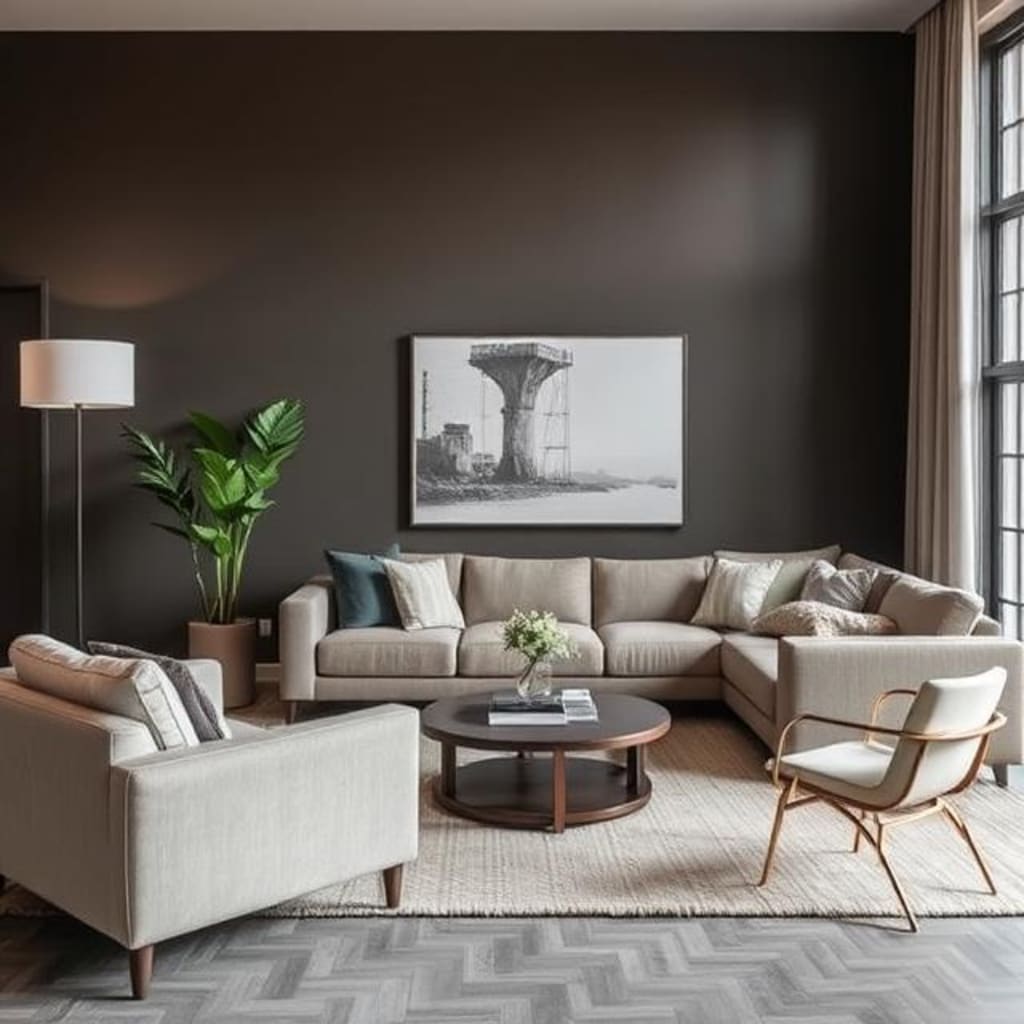
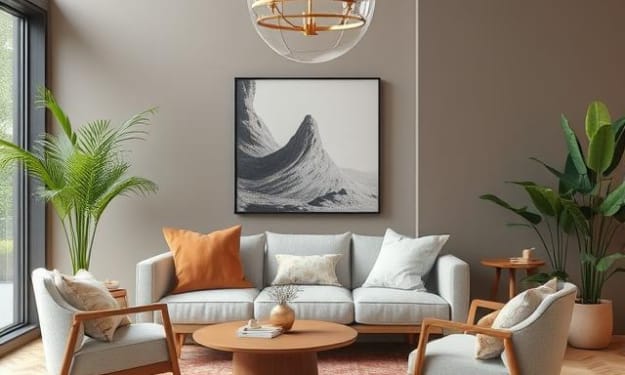
In the modern world, furniture serves far beyond its basic purpose of filling a room. It plays a vital role in enhancing the overall living experience by combining two key elements: form and function. As homes evolve into multifunctional spaces that cater to both work and leisure, the need for furniture that strikes a perfect balance between visual appeal and practical utility has never been more important. The intersection of form and function is where innovative design takes place, allowing furniture to not only complement the aesthetic of a space but also provide the necessary functionality for modern living.
Form: The Aesthetic Appeal of Furniture
The concept of form in furniture design refers to its visual and artistic qualities. Furniture is often one of the most prominent features in any room, and its design can set the tone for the entire space. Whether it’s the sleek, minimalist lines of Scandinavian-inspired furniture, the bold curves of mid-century modern pieces, or the intricate detailing of classic designs, form plays a crucial role in how a piece of furniture fits within a given environment.
In today’s world, where personal style and individuality are paramount, modern furniture must cater to a variety of tastes and preferences. Designers often blend various influences, creating pieces that reflect the evolving trends in interior design. From materials like wood, metal, and glass to textures like velvet, leather, and fabric, each design element contributes to the visual appeal of the furniture. A well-designed piece should enhance a room, not dominate it, creating a cohesive and harmonious environment.
Function: The Practical Utility of Furniture
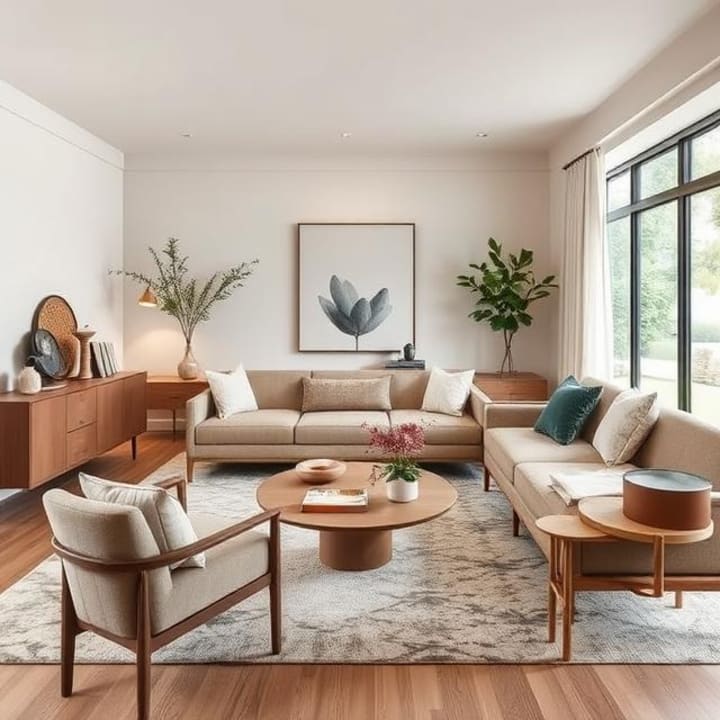
While form is undoubtedly important, function is equally essential in the modern home. With space becoming more limited and the demands of daily life increasing, furniture must offer versatility and serve multiple purposes. Functionality can take many forms, from providing extra storage to offering adjustable features that cater to different needs.
In smaller homes or apartments, where maximizing space is a priority, multifunctional furniture has become a game-changer. For example, a sofa that doubles as a bed or a coffee table that can expand into a dining table makes the most of limited square footage. Furniture pieces that offer hidden storage, like ottomans with compartments or side tables that open up to reveal additional space, provide practical solutions for keeping a home organized and clutter-free.
Another important consideration in functional furniture is ergonomics. Modern furniture needs to be comfortable, promoting physical well-being while blending seamlessly into the aesthetic of the home. From office chairs designed to improve posture to sofas with memory foam cushioning, functional furniture goes beyond mere utility; it supports the health and comfort of those using it.
The Fusion of Form and Function
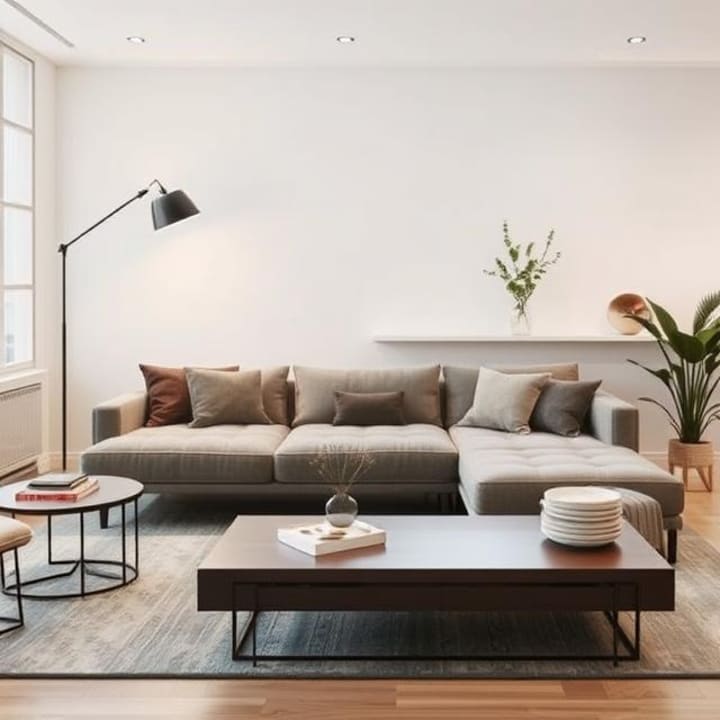
The most successful furniture pieces of today are those that seamlessly fuse form and function, creating solutions that don’t compromise on either aspect. A well-designed piece should not only be a visual asset to a space but also cater to the needs and practicalities of daily life.
For instance, modular furniture systems have gained immense popularity in modern homes. These systems allow users to customize the layout and configuration of their furniture to suit their changing needs. A modular sofa, for example, can be rearranged to create a more intimate seating area or expanded to accommodate guests, providing both flexibility and comfort. Similarly, modular shelving units can be adapted as storage solutions or decorative focal points, depending on the room’s requirements.
Moreover, the integration of technology has brought an entirely new dimension to furniture design. Smart furniture, such as desks with built-in charging stations or beds with adjustable lighting, caters to the digital needs of modern life. These pieces offer practical benefits while maintaining their aesthetic appeal, proving that form and function can coexist in a truly harmonious way.
Sustainability and Longevity: An Essential Consideration
In addition to the blend of form and function, sustainability has become a growing concern in the furniture industry. As consumers become more conscious of their environmental impact, the demand for eco-friendly and durable furniture has increased. Designers and manufacturers are responding by creating pieces that not only serve a practical purpose and look good but also have a minimal impact on the environment.
Sustainable materials such as reclaimed wood, bamboo, and recycled metals are being used more frequently, allowing consumers to furnish their homes without compromising the planet’s resources. Additionally, many furniture makers are focusing on creating long-lasting products designed to stand the test of time, both in terms of quality and style. These timeless pieces reduce the need for frequent replacements, contributing to a more sustainable approach to furnishing homes.
Conclusion: Elevating the Modern Home Experience
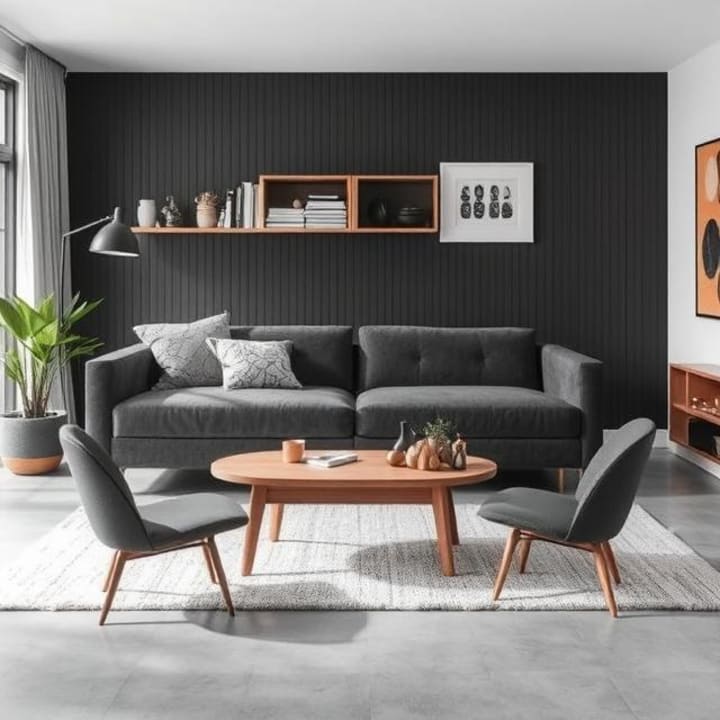
The intersection of form and function in modern furniture design is about much more than creating beautiful or practical pieces—it’s about creating a harmonious environment where both aspects coexist. The modern home is not just a place to live but a space that reflects individuality, supports daily activities, and enhances overall well-being. Furniture, when designed with both form and function in mind, plays an essential role in achieving this balance.
As homes continue to evolve into multifunctional spaces, furniture will continue to adapt and innovate, offering solutions that meet the ever-changing needs of modern living. Whether through modular systems, multifunctional pieces, or smart technology integration, the future of furniture design is one where aesthetics and utility work together seamlessly. Ultimately, it’s this perfect fusion that makes furniture not just an object, but a vital component of our daily lives, contributing to a home that is as beautiful as it is practical.
About the Creator
Keep reading
More stories from OPAA LIVING and writers in Education and other communities.
Is Your Furniture Future-Proof? Trends and Innovations to Follow in 2025
1. Sustainability and Eco-Friendly Materials Sustainability continues to be a top priority for consumers and manufacturers alike. As environmental concerns grow, the demand for eco-friendly furniture is on the rise. Choosing sustainable pieces not only reduces your environmental footprint but also supports the global movement toward more responsible living.
By OPAA LIVING11 months ago in Education
Golf Handicap Reduction Without a Swing Overhaul: Smarter Ways to Play Better Golf
Lowering your handicap does not always require technical changes or hours on the range; it requires rebuilding your swing. Many golfers overlook the fact that scoring improvement often comes from strategic thinking, mental discipline, and better preparation. By focusing on how you play rather than how you swing, you can unlock consistent progress and enjoy the game more. This article explores practical, on-course methods that help you shoot lower scores while keeping your swing exactly as it is.
By Ian Schenkel Haliburton2 days ago in Education
The Editorial Stack: Building Content Teams for the Multi-Platform Era
In an age where content travels across screens, feeds, formats, and audiences in real time, the old newsroom model no longer fits the demands of digital publishing. Today's media landscape requires more than great writers and sharp editors—it demands a multi-disciplinary, agile, and strategically aligned editorial stack. From video producers to data analysts, newsletter editors to TikTok creators, modern content teams must be designed with versatility and collaboration at their core.
By James Kaminsky3 days ago in Education


Comments
There are no comments for this story
Be the first to respond and start the conversation.