
The Internet at a Crossroads: Court Strikes Down US Net Neutrality Rules
A Landmark Decision Reshapes the Digital Landscape
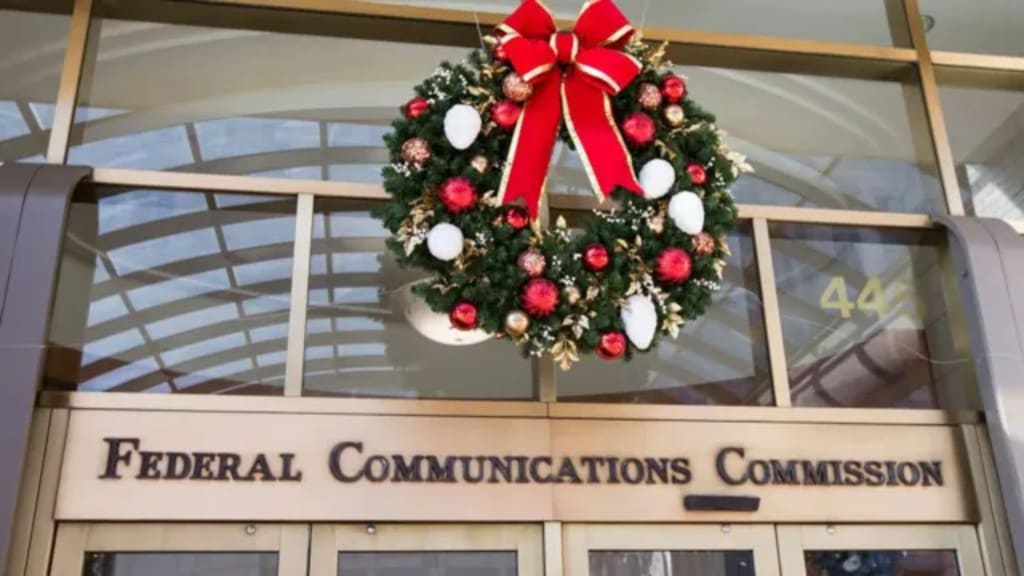
In a pivotal moment for the future of the internet, a federal appeals court has struck down the Federal Communications Commission’s (FCC) net neutrality rules, sending shockwaves through the digital world. This ruling has reignited the debate over how the internet should be regulated and who should have control over the flow of information in the digital age.
The Ruling: A Seismic Shift in Internet Governance
On January 3, 2025, the U.S. Court of Appeals for the District of Columbia Circuit delivered a landmark decision that effectively nullified the FCC’s net neutrality regulations. These rules, implemented in 2015 and reaffirmed in 2021, were designed to ensure that internet service providers (ISPs) treated all internet traffic equally, without discriminating against or favoring particular websites or services.
The court’s decision hinged on the classification of broadband internet as an “information service” rather than a “telecommunications service,” which limits the FCC’s authority to impose such regulations. This ruling has effectively dismantled the legal framework that supported net neutrality, potentially paving the way for a dramatically different internet landscape.
The Origins of Net Neutrality: A Brief History
The concept of net neutrality has its roots in the early days of the internet, when the principle of open and equal access was baked into the very architecture of the web. However, as the internet evolved from a academic and government tool to a commercial juggernaut, concerns arose about the potential for ISPs to manipulate traffic for their own benefit.
The FCC’s 2015 Open Internet Order was a watershed moment, classifying broadband as a telecommunications service and subjecting ISPs to stricter regulations. This move was celebrated by net neutrality advocates but faced fierce opposition from ISPs and some lawmakers who argued it would stifle innovation and investment.
The Debate: Freedom vs. Regulation
Advocates for Net Neutrality
Proponents of net neutrality argue that it is essential for maintaining a free and open internet. They contend that without these protections:
• ISPs could create “fast lanes” for content providers willing to pay more, potentially stifling smaller companies and startups.
• Consumers might face higher costs or restricted access to certain services.
• Innovation could be hampered as new companies struggle to compete with established players who can afford preferential treatment.
Arguments for Deregulation
On the other side, opponents of net neutrality regulations argue that:
• A less regulated internet would foster more innovation and investment in infrastructure.
• Market competition, not government intervention, should dictate internet practices.
• Existing antitrust laws are sufficient to prevent anti-competitive behavior by ISPs.
Implications of the Ruling
The court’s decision has far-reaching implications for various stakeholders:
1. Internet Users: Consumers may see changes in how they access content, potentially facing tiered pricing models or preferential treatment of certain services.
2. Content Providers: Smaller companies and startups might struggle to compete with larger entities that can afford to pay for faster delivery of their content.
3. ISPs: With fewer restrictions, ISPs could explore new business models and potentially prioritize their own content or services.
4. The Digital Economy: The ruling could reshape the competitive landscape of the internet, potentially altering the dynamics of innovation and market entry.
Looking Ahead: The Future of Internet Regulation
While this ruling marks a significant setback for net neutrality advocates, the debate is far from over. Several potential developments could shape the future of internet regulation:
1. Legislative Action: Congress could pass legislation to enshrine net neutrality principles into law, bypassing the need for FCC regulations.
2. State-Level Initiatives: Some states may attempt to implement their own net neutrality rules, although these could face legal challenges.
3. FCC Reclassification: A future FCC could attempt to reclassify broadband as a telecommunications service, potentially restoring its regulatory authority.
4. Public Pressure: Consumer advocacy groups and tech companies may mobilize public opinion to push for the reinstatement of net neutrality protections.
Conclusion: A Pivotal Moment for the Internet
The court’s decision to strike down net neutrality rules represents a critical juncture in the ongoing debate over internet governance. As we navigate this new landscape, the choices made by policymakers, industry leaders, and the public will shape the future of digital communication and commerce for years to come.
The internet has become an integral part of modern life, touching everything from education and healthcare to entertainment and civic engagement. As such, the stakes in this debate could not be higher. Whether through new legislation, grassroots movements, or technological innovations, the fight for the soul of the internet is sure to continue, with profound implications for us all.
About the Creator
Keep reading
More stories from Mushk Exports and writers in Education and other communities.
Top Website Monetization Platforms to Maximize Your Revenue in 2026
Website monetization platforms are tools that help website owners generate revenue from their traffic. These platforms support different monetization models, including programmatic advertising, affiliate marketing, sponsored content, and performance-based ads.
By Iryna Podliesna2 days ago in Education
What Is Dark Energy and Why Is It Accelerating the Universe?
This discovery shocked scientists in the late 1990s and overturned everything we thought we knew about cosmic evolution. Gravity, which should slow expansion, appeared to be losing the battle. Some mysterious force was pushing the universe apart.
By shahkar jalal5 days ago in Education




Comments
There are no comments for this story
Be the first to respond and start the conversation.