
"The International Space Station: A Beacon of Human Cooperation and Scientific Discovery"
Exploring the History, Structure, and Impact of Humanity's Most Ambitious Orbital Laboratory

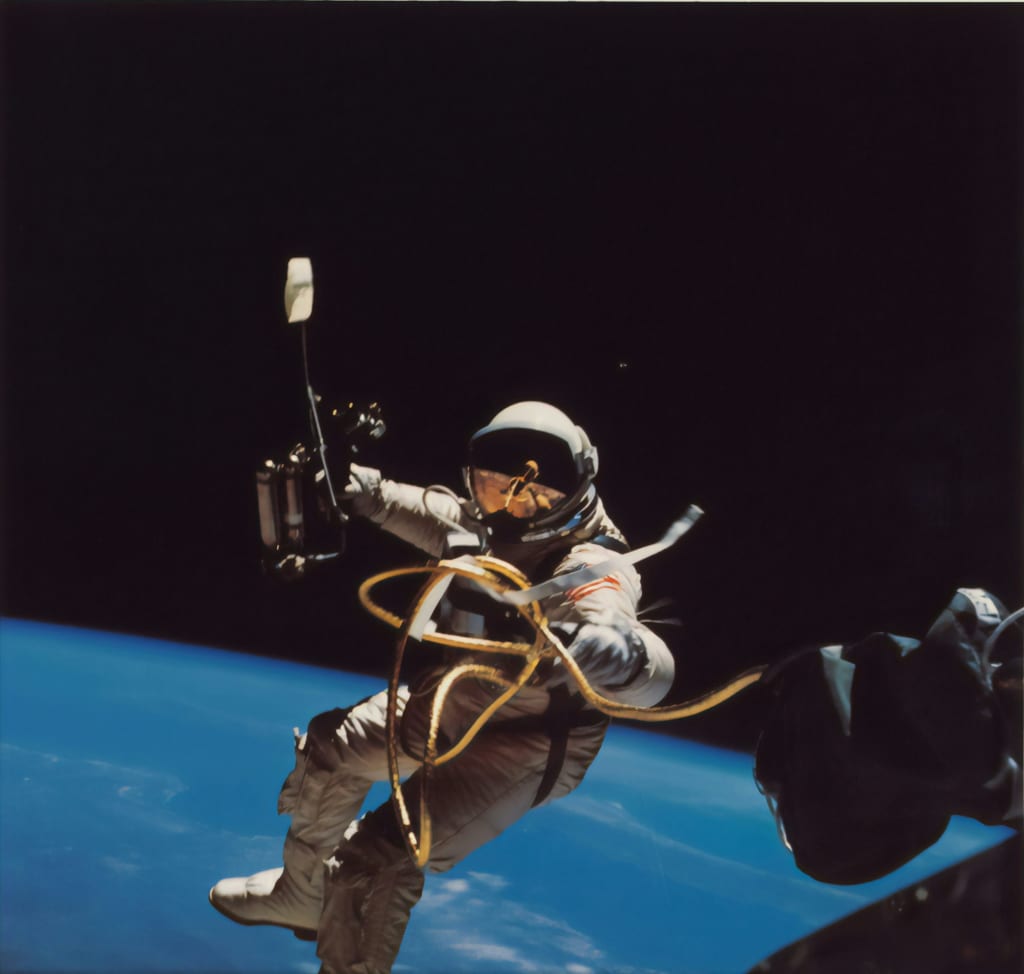
The l Space Station: Humanity's Laboratory in Orbit
he International Space Station (ISS) is one of humanity's most significant and ambitious achievements in space exploration. Orbiting the Earth at an average altitude of 400 kilometers (about 250 miles), the ISS is a large spacecraft and scientific laboratory that serves as a platform for international cooperation, scientific discovery, and technological innovation. With contributions from space agencies across the globe, the ISS stands as a symbol of what nations can achieve together in the pursuit of knowledge and exploration.
Brief History
The roots of the ISS project go back to the 1980s, when the United States and its allies envisioned a permanent space outpost in low Earth orbit. Originally planned as “Freedom,” a U.S.-led space station concept, the project evolved significantly in the 1990s. Following the end of the Cold War, a new opportunity emerged for collaboration between former rival nations.
In 1998, the first module of the ISS, Zarya, was launched into orbit by Russia. Soon after, the U.S. module Unity was added, and over the following years, various other modules and components were delivered and assembled in space. This modular design allows for flexibility and expansion, and the station has continued to grow over time.
### International Cooperation
The ISS is a joint project involving five main space agencies: NASA (United States), Roscosmos (Russia), ESA (European Space Agency), JAXA (Japan Aerospace Exploration Agency), and CSA (Canadian Space Agency). Altogether, more than 15 nations have participated in its construction, maintenance, and utilization.
Each partner agency contributes to the station's hardware, software, operational responsibilities, and crew. For instance, Russia provides modules such as Zvezda and supplies transportation via its Soyuz spacecraft. Canada contributed the robotic Canadarm2, a vital tool for spacewalks and cargo handling. ESA’s Columbus laboratory and Japan’s Kibo module are key facilities for scientific research.
Structure and Components
The ISS is a sprawling structure approximately the size of a football field, with a total mass of around 420,000 kilograms (925,000 pounds). It consists of various modules that serve different purposes:
* **Living Quarters**: These include sleeping areas, kitchens, bathrooms, and exercise equipment.
* **Laboratories**: The U.S. Destiny module, Europe's Columbus, and Japan’s Kibo are equipped for scientific experiments.
* **Solar Arrays**: Massive solar panels provide electricity to power the station.
* **Docking Ports**: These allow visiting spacecraft to deliver crew, cargo, and equipment.
* **Robotic Arms**: Tools like Canadarm2 assist with construction and maintenance.
The ISS orbits the Earth every 90 minutes, traveling at a speed of roughly 28,000 kilometers per hour (17,500 mph). This means astronauts aboard experience 16 sunrises and sunsets each day.
Life Aboard the ISS
Living on the ISS is both a privilege and a challenge. Typically, six astronauts live on board at any given time, with crew rotations occurring every six months. Life in microgravity requires adjustments in everyday tasks such as eating, sleeping, and hygiene. Astronauts use velcro, magnets, and straps to keep items from floating away.
Maintaining physical health is a priority, as long-term exposure to microgravity can lead to muscle atrophy and bone loss. Crewmembers must exercise for about two hours daily using specially designed treadmills, stationary bikes, and resistance machines.
Communication with Earth is maintained through a series of satellites and ground stations, allowing for daily contact with mission control centers and family. Meals are pre-packaged and specially prepared to be safe and nutritious in space.
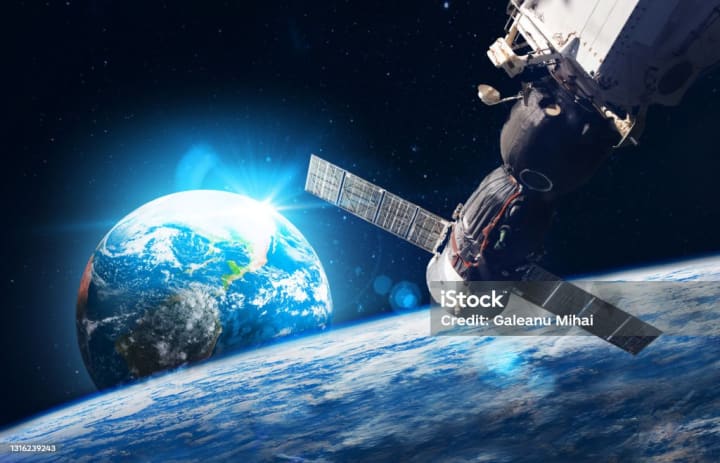
Scientific Research
One of the ISS’s primary missions is to serve as a platform for scientific research. The unique microgravity environment enables experiments that are impossible or extremely difficult to conduct on Earth.
Areas of research include:
* **Human Health**: Studying how the body reacts to spaceflight helps scientists prepare for future missions to Mars and beyond. It also has benefits for health care on Earth, such as osteoporosis and cardiovascular research.
* **Materials Science**: Experiments on metal alloys, fluids, and combustion have led to advancements in manufacturing and engineering.
* **Biology**: Observing plant growth, bacterial behavior, and cell development in microgravity offers insights into life processes and potential agricultural applications in space.
* **Physics**: The ISS hosts studies on fundamental physics, such as atomic behavior and dark matter, with facilities like the Alpha Magnetic Spectrometer (AMS-02).
Commercial and Educational Roles
In recent years, the ISS has become more accessible to private companies and commercial ventures. Companies like SpaceX and Northrop Grumman regularly deliver cargo and astronauts to the station. Space tourism is also becoming a reality, with private astronauts visiting the ISS on commercial missions.
Educational outreach is another key aspect of the ISS program. Students around the world participate in experiments, video conferences, and science projects related to the station. These initiatives aim to inspire the next generation of scientists, engineers, and explorers.
Challenges and Future
Operating the ISS is a complex and costly endeavor. The station requires constant maintenance, resupply missions, and international coordination. Political tensions and financial constraints occasionally raise concerns about the program’s future.
Originally planned to operate until 2020, the ISS’s lifespan has been extended multiple times and is currently expected to continue until at least 2030. Beyond that, countries and companies are exploring new platforms, including commercial space stations and missions to the Moon and Mars.
NASA has announced plans to transition to commercially owned and operated stations in the coming decade. Meanwhile, China has launched its own space station, Tiangong, and other nations are developing similar projects.
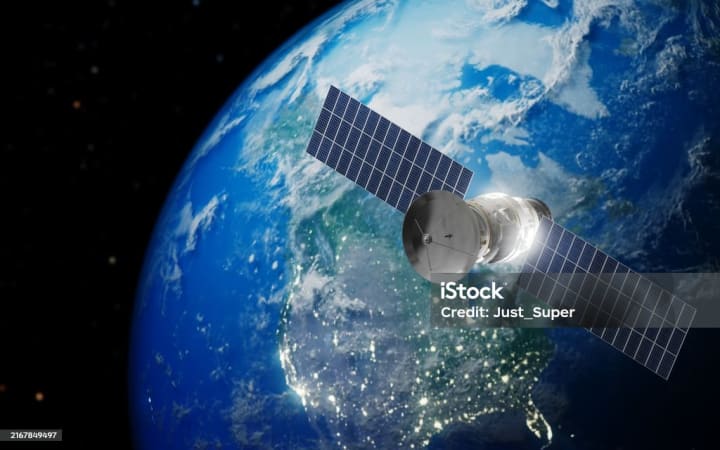
Conclusion
The International Space Station is more than just a spacecraft — it is a living symbol of international cooperation, scientific ambition, and human resilience. For over two decades, it has provided a unique vantage point for observing our planet, a testbed for future exploration, and a place where nations work together in pursuit of shared knowledge. As we look toward the future of space exploration, the legacy of the ISS will continue to shape the path forward for generations to come.
About the Creator
Nasir Khan
Storyteller at heart. I write to connect, question, and create meaning—one word at a time.
Keep reading
More stories from Nasir Khan and writers in Education and other communities.
"A Memory Built of Wood and Dust"
The first time I saw it, I thought I had wandered into a dream. It was late—the kind of late when the world feels more like a memory than a place. I had been aimlessly drifting through a fog so thick it felt alive when I came upon the old house. The door stood ajar, its edges warped and splintered by time, and against my better judgment, I crossed the threshold.
By Nasir Khan10 months ago in Education
Generosity Without Boundaries: Advancing Equity Through Philanthropy
Philanthropy has always played a meaningful role in shaping societies and improving the lives of individuals in need. From supporting educational programs to funding healthcare initiatives, acts of giving have helped communities overcome many challenges. In today’s diverse world, however, philanthropy is taking on a deeper purpose. It is increasingly focused on equity—ensuring that resources and opportunities are distributed fairly among people from different backgrounds and circumstances.
By John Olin Killgore3 days ago in Education




Comments
There are no comments for this story
Be the first to respond and start the conversation.