
The Importance of Sleep: Why Getting Enough Rest Matters for Your Health
Sleep is one of the most important parts of a healthy lifestyle, but it’s often overlooked. In our busy lives, many people skip sleep to keep up with daily tasks, not realizing how crucial it is. Getting enough quality sleep is essential not just for feeling refreshed, but for keeping both your body and mind healthy. Sleep affects everything from how well you think to how you feel, and not getting enough can lead to serious problems.
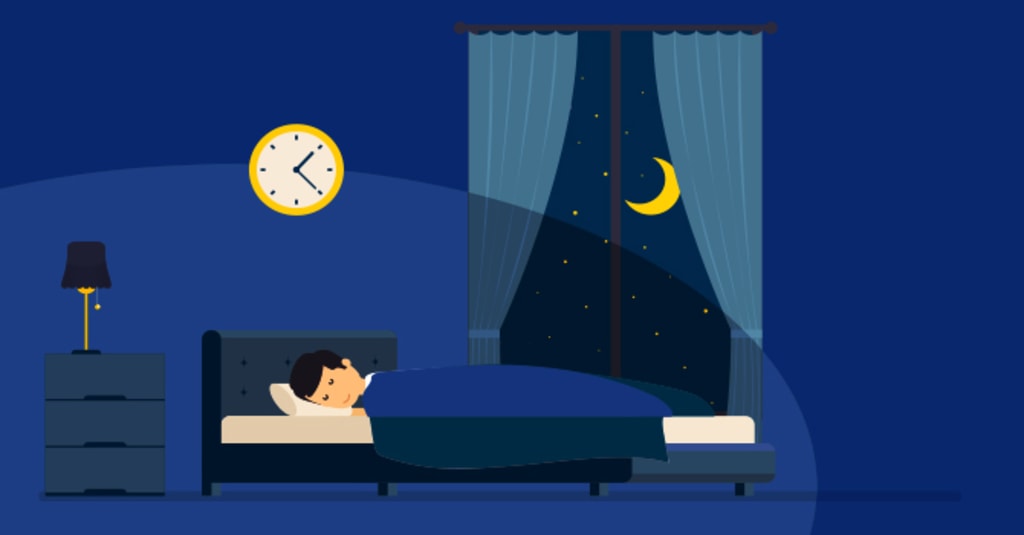
In this article, we will discuss why sleep is important, the benefits it provides, and the risks of not getting enough sleep.
1. How Sleep Affects Your Thinking
Sleep is crucial for your brain to work properly. When you sleep, your brain processes and organizes the information you learned during the day, helping you remember and learn better. This is why good sleep is so important for students and anyone learning new things.
If you don’t get enough sleep, your ability to think clearly suffers. You may find it hard to concentrate, make decisions, and solve problems. Over time, not getting enough sleep can lead to long-term issues with memory and thinking.
2. Sleep and Your Emotions
Getting enough sleep is also essential for your emotional health. When you’re well-rested, you’re better at managing stress and dealing with your feelings. On the other hand, not sleeping enough can make you moody, irritable, and more anxious. Research shows that people who regularly don’t get enough sleep are at a higher risk of experiencing depression.
Good sleep helps you handle stress better and keeps you calm in tough situations. When you’re sleep-deprived, you may overreact to minor problems or feel overwhelmed by daily challenges.
3. Physical Health and Your Immune System
Sleep is vital for your physical health, too. While you sleep, your body does important work like repairing tissues and supporting your immune system. These functions are essential for staying healthy and feeling your best.
Sleep boosts your immune system, which helps your body fight off infections. When you don’t get enough sleep, your immune system becomes weaker, making you more likely to get sick. Chronic sleep deprivation can also increase your risk of serious health issues such as heart disease, diabetes, and obesity.
Moreover, sleep helps control hormones that manage hunger and metabolism. When you don’t sleep enough, the hormones that control appetite can become unbalanced, leading to overeating and weight gain.
4. Energy and Physical Performance
Adequate sleep is crucial for keeping your energy levels up and improving physical performance. Whether you are an athlete, a student, or just juggling a busy life, getting enough sleep helps you perform better. During sleep, your body restores energy, repairs muscles, and prepares for the next day’s activities.
Athletes especially benefit from good sleep, as it improves their reaction times, endurance, and recovery. Even if you’re not an athlete, getting enough sleep helps you stay alert and productive. When you don’t sleep enough, you can feel tired and less motivated, which can affect your performance in everything you do.
5. Long-Term Risks of Not Sleeping Enough
Chronic sleep deprivation can lead to serious long-term health problems. Research shows that people who regularly sleep less than the recommended 7-9 hours each night face a higher risk of various health issues, including:
Heart disease: Lack of sleep is linked to high blood pressure and increased stress, which can lead to heart problems.
Diabetes: Not sleeping enough affects how your body processes insulin, increasing the risk of type 2 diabetes.
Obesity: As mentioned earlier, poor sleep can lead to weight gain.
Mental health issues: Sleep deprivation is connected to anxiety, depression, and an increased risk of suicidal thoughts.
6. Tips for Getting Better Sleep
To improve your sleep quality, try these helpful tips:
Stick to a regular sleep schedule: Go to bed and wake up at the same time every day, even on weekends, to help your body adjust.
Create a relaxing bedtime routine: Spend the last hour before bed doing calming activities like reading or taking a warm bath to help signal to your body that it’s time to relax.
Limit screen time before bed: The blue light from phones and computers can make it harder to fall asleep, so try to put them away an hour before bed.
Make your bedroom comfortable: Ensure your sleeping environment is cool, dark, and quiet to promote better sleep.
Avoid caffeine and heavy meals in the evening: Both can interfere with your ability to fall asleep and stay asleep.
Conclusion
Sleep is much more than just a time to rest; it’s a crucial part of your overall health and well-being. Prioritizing sleep can lead to better thinking, improved emotional health, and enhanced physical performance while reducing the risk of serious health issues. By recognizing the importance of sleep and developing habits that promote good rest, you can significantly improve your quality of life. Remember, getting enough sleep is not a luxury; it’s essential for living a healthy and happy life. Prioritizing sleep is one of the best choices you can make for your health and happiness.
About the Creator
Miss Persephone's Manual to a Seemingly Ordinary Life
Miss Persephone was found at the dining table, her blue eyes swollen, her tears arriving and retreating like the tides of the ocean. Earlier that day, her family had visited her in the retirement home where she had lived for eight years. It was her eightieth birthday.
By Imola Tóth3 days ago in Fiction




Comments
There are no comments for this story
Be the first to respond and start the conversation.