
The Importance of Self-Care
Nurturing Your well-being
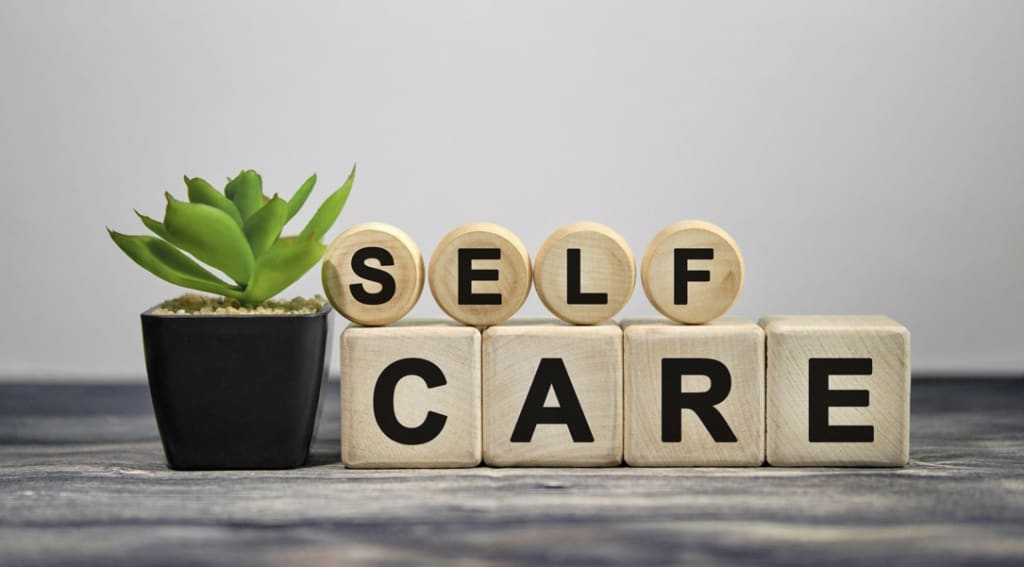
In today's fast-paced and demanding world, it's easy to get caught up in the whirlwind of responsibilities and obligations. We often prioritize the needs of others, whether it's our family, friends, or work, and neglect the most important person in our lives: ourselves. However, self-care is not a luxury; it is a vital component of maintaining our overall well-being and leading a fulfilling life.
Self-care encompasses a wide range of activities and practices that promote physical, mental, and emotional health. It is the conscious act of taking time for oneself, nourishing our minds and bodies, and replenishing our energy reserves. While it may seem indulgent or selfish at first glance, self-care is actually an essential investment in our long-term happiness and effectiveness.
One of the fundamental reasons why self-care is crucial is its ability to prevent burnout and enhance resilience. When we constantly push ourselves without taking time to rest and recharge, our physical and mental health suffer. We become susceptible to stress, anxiety, and a range of other negative emotions. By incorporating self-care practices into our routines, we can reduce the harmful effects of stress, boost our immune system, and improve our overall well-being.
Self-care also nurtures our emotional health. Engaging in activities that bring us joy, such as hobbies, reading, or spending time in nature, allows us to reconnect with ourselves and tap into our inner sources of happiness. It gives us the opportunity to explore our passions, express our creativity, and cultivate a positive mindset. By prioritizing our emotional well-being, we become more resilient in the face of challenges and better equipped to navigate the ups and downs of life.
Furthermore, self-care plays a pivotal role in fostering healthy relationships. When we take care of ourselves, we are better able to show up fully for others. By meeting our own needs, we reduce the likelihood of becoming overwhelmed or resentful. We become more present, empathetic, and compassionate, enhancing our connections with loved ones and creating a positive ripple effect in our personal and professional lives.
Self-care is not a one-size-fits-all concept. It looks different for each individual, depending on their preferences, values, and circumstances. It could involve anything from practicing mindfulness and meditation, engaging in regular physical exercise, indulging in a bubble bath, or simply taking a break to read a book. The key is to identify activities that replenish your energy, bring you joy, and align with your personal values.
Incorporating self-care into our daily lives may require some intention and discipline, but the benefits are well worth the effort. It is not a selfish act, but rather a responsible and necessary one. By prioritizing our own well-being, we become better equipped to serve others and make a positive impact in the world.
A goal of mine this year has been to incorporate self-care into my daily routine rather than leaving it only for times when I’m not feeling my best. Getting into the practice of doing self-care can sometimes feel overwhelming, at least it did for me. So I did what I do best when I find something difficult to do, make a competitive game out of it. I decided to choose 28 self-care activities that I wanted to engage in for the month. Each activity would then be put on a spinning wheel, at the beginning of the day I would spin the wheel and whatever self-care activity came up I would do that day. I also decided to journal the process. If you’re interested in trying this “challenge” here are 3 things you should do and be mindful of:
1) Choose activities that address stressors and/or fall under the different types of self-care. Although this is a challenge, it’s also a way for you to try new self-care activities in a safe space. Take some time to reflect on what is happening in your life at the time and what things would help you while navigating this. You can also write out the different types of self-care (social, physical, spiritual, emotional/mental) and find a few self-care activities that fit under each section. You also don’t need to choose 28, I chose that number to coincide with my age.
2) Make adjustments along the way. Remember that this is a way for you to explore different self-care practices. If you try something and feel it isn’t helping you in any sort of way you can take it out and add something else. Self-care practices should be adjusted to meet your needs.
3) Be patient with yourself.There may be days when doing a self-care practice feels overwhelming, it’s okay if you miss a day or adjust how you do the self-care activity. Remember that you don’t have to perfect your self-care routine, the goal here is to be as consistent as possible.
In conclusion, self-care is not a luxury; it is an essential component of a healthy and fulfilling life. By nurturing our physical, mental, and emotional well-being, we can prevent burnout, cultivate resilience, and enhance our relationships. So, let's remember to make self-care a priority, allowing ourselves the time and space to recharge, rejuvenate, and thrive.
About the Creator
Keep reading
More stories from writers in Education and other communities.
The Safety Net Navigating the Complexities of Portugal Health Insurance in 2026
Portugal has long been a destination of choice for its golden beaches and relaxed pace of life, but in 2026, it is also becoming a case study in healthcare resilience. The nation’s healthcare landscape is defined by a unique "Dual-Track" system where the publicly funded National Health Service (Serviço Nacional de Saúde - SNS) exists alongside a rapidly expanding and increasingly sophisticated private insurance market. As the population ages and digital health technologies become the norm, the role of private health insurance in Portugal has shifted from being a "luxury" to a "strategic necessity" for over 40% of the population. Understanding this ecosystem in 2026 requires looking past simple premiums and diving into the intersection of demographic shifts, regulatory reforms, and the high-tech future of medical care.
By Neeraj kumar4 days ago in Education
One Hard Thing
Stop me if you’ve heard this one before: You have the number, you know your schedule- you’ve even picked out the perfect day and time to make this appointment. Shoot, you’ve even picked out alternative days and times just in case their schedules can’t accommodate you!
By Taylor Rigsby7 days ago in Motivation
Cabin Fever Because of Snow, Sleet, and Freezing Rain That Turned to Icy Roads
What Is Cabin Fever? The short answer is that cabin fever is restlessness from being in a confined area. Cabin fever is the distressing irritability or restlessness experienced when a person or group is stuck at an isolated location or in confined quarters for an extended time. Research shows that prolonged cold, gray skies, and being stuck indoors can trigger mood shifts similar to “winter blues.”
By Margaret Minnicksa day ago in Humans


Comments
There are no comments for this story
Be the first to respond and start the conversation.