
The Importance of Personalization in Digital Marketing
Discover the power of personalization in digital marketing. Learn how to create tailored experiences that drive engagement, conversions, and loyalty, and unlock the full potential of personalization for your brand.

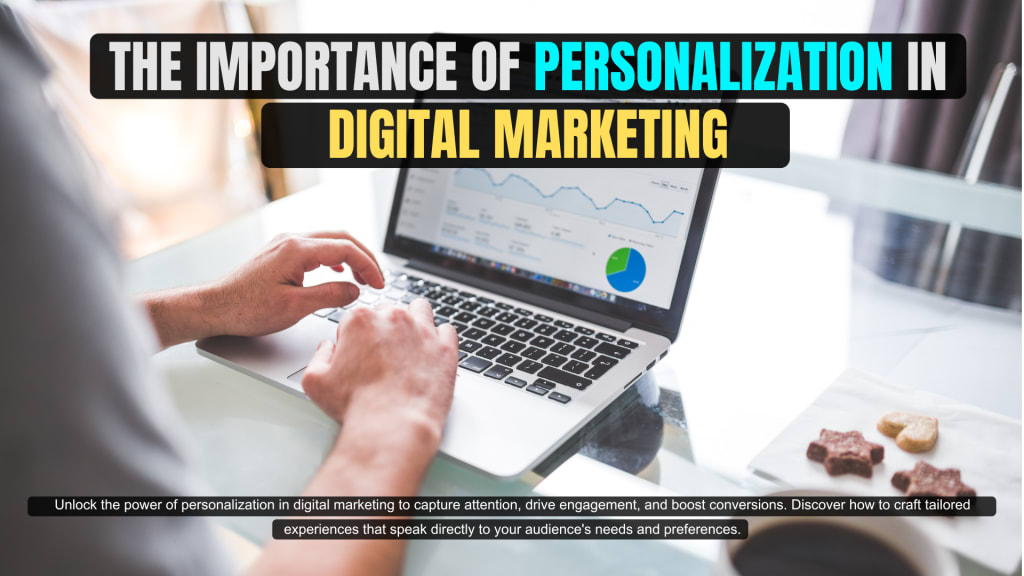
In an era dominated by information overload, capturing and retaining a consumer's attention is a formidable challenge. Generic marketing messages no longer resonate with today's discerning audience. Instead, individuals crave personalized experiences that speak directly to their needs, preferences, and desires. This is where personalization in digital marketing emerges as a powerful tool for businesses to connect with their target audience on a deeper level.
Understanding Personalization
Personalization in digital marketing involves tailoring marketing messages and content to individual customers or specific customer segments. It's about delivering relevant and timely experiences that create a sense of connection and value. By understanding customer preferences, behaviors, and demographics, businesses can craft highly targeted campaigns that drive engagement, conversions, and loyalty.
The Benefits of Personalization
The impact of personalization on digital marketing is undeniable. Here are some key benefits:
- Enhanced Customer Experience: Personalized experiences make customers feel valued and understood. When brands demonstrate a genuine interest in their customers' needs, it fosters trust and loyalty.
- Increased Engagement: Personalized content is more likely to capture attention and drive engagement. Relevant messages are more likely to be shared and discussed, amplifying brand reach.
- Improved Conversion Rates: By delivering tailored offers and recommendations, businesses can increase the likelihood of conversions. Personalization helps to overcome objections and guide customers towards desired actions.
- Higher Customer Lifetime Value: Personalized interactions deepen customer relationships, leading to increased purchase frequency and average order value. Loyal customers are more likely to become brand advocates.
- Data-Driven Insights: Personalization relies on data analysis to understand customer behavior. These insights can be used to refine marketing strategies and identify new opportunities.
Implementing Personalization
To effectively implement personalization, businesses need a strategic approach:
1. Data Collection and Analysis: Gather relevant customer data, including demographics, preferences, browsing behavior, and purchase history. Use analytics tools to identify patterns and segment customers.
2. Customer Segmentation: Divide customers into distinct groups based on shared characteristics. This allows for more targeted messaging and offers.
3. Personalized Content Creation: Develop content that resonates with different customer segments. This includes product recommendations, email campaigns, social media posts, and website experiences.
4. A/B Testing: Experiment with different personalization strategies to determine what works best for your audience. Continuously optimize your approach based on performance metrics.
5. Technology Integration: Leverage marketing automation platforms and personalization tools to streamline the process and deliver personalized experiences at scale.
Overcoming Personalization Challenges
While the benefits of personalization are clear, implementing it successfully requires careful consideration. Here are some common challenges and potential solutions:
- Data Privacy: Adhering to data privacy regulations while collecting and utilizing customer data is crucial. Implementing robust data protection measures and obtaining explicit consent can mitigate risks.
- Technology Investment: Personalization often requires advanced technology and analytics tools. Investing in the right infrastructure is essential for effective implementation.
- Balancing Personalization with Brand Consistency: While personalization is important, maintaining a consistent brand identity is equally crucial. Striking the right balance between customization and brand messaging is key.
- Measuring Success: Tracking and measuring the impact of personalization efforts is essential. Key performance indicators (KPIs) such as click-through rates, conversion rates, and customer lifetime value can help assess the effectiveness of personalization strategies.
The Future of Personalization
As technology continues to evolve, so too will the possibilities for personalization. Artificial intelligence (AI) and machine learning will play an increasingly important role in analyzing customer data and delivering hyper-personalized experiences. Additionally, advancements in augmented reality (AR) and virtual reality (VR) will create new opportunities for immersive and interactive personalized experiences.
In conclusion, personalization is a transformative force in digital marketing. By understanding customer needs, leveraging data insights, and delivering tailored experiences, businesses can build lasting relationships, drive customer loyalty, and achieve sustainable growth.
Challenges and Considerations
While personalization offers significant benefits, it also presents challenges. Data privacy and security are paramount concerns. Businesses must comply with regulations like GDPR and CCPA to protect customer information. Additionally, it's essential to balance personalization with a consistent brand experience. Overly personalized messages can come across as intrusive or creepy.
The Role of a Full-Service Digital Marketing Firm
Implementing a successful personalization strategy requires expertise in various digital marketing disciplines. A full-service digital marketing firm can provide comprehensive support, including data analysis, customer segmentation, content creation, and technology implementation. These firms possess the resources and skills to develop and execute a personalized marketing plan that drives results.
In conclusion, personalization is no longer a luxury but a necessity in digital marketing. By understanding customer preferences and delivering tailored experiences, businesses can build stronger relationships, increase customer loyalty, and drive sustainable growth. With the right strategy and the support of a full-service digital marketing firm, you can unlock the full potential of personalization for your brand.
About the Creator
Virtual Oplossing Pvt. Ltd
Virtual Oplossing Pvt. Ltd. Your digital success partner. Expert software, content, marketing, and design solutions. Let us drive your business growth. Contact us today!
Keep reading
More stories from Virtual Oplossing Pvt. Ltd and writers in Education and other communities.
SEO Mistakes That Could Hurt Your Rankings
Search Engine Optimization (SEO) is one of the most powerful strategies to boost your online visibility, attract qualified traffic, and increase conversions. However, even well-intentioned businesses often make critical SEO mistakes that negatively impact their rankings. These errors can waste valuable time, budget, and opportunities, preventing your website from reaching its full potential.
By Virtual Oplossing Pvt. Ltd4 months ago in 01
The Hidden Importance of Design Hierarchy: How Layout Guides Attention and Improves Readability
Design Hierarchy Is the Foundation of a Clear, Effective Website Design hierarchy is one of the most influential principles in web design — yet it’s often overlooked by users because a strong hierarchy feels seamless and natural. Hierarchy determines what people notice first, how they scan a page, and what they choose to engage with. When done correctly, it guides attention effortlessly, improves readability, and makes websites feel intuitive.
By Power Marketing International3 days ago in Education
Me and Study: Nights I Didn’t Tell Anyone About
There were nights when the world slept, and I stayed awake with my books like they were the only witnesses to my existence. No one knew about those hours—not my friends, not my family, not even the version of me I showed during the day. These were the nights I didn’t talk about, because explaining them felt heavier than living through them.
By Inamullah Momand 4 days ago in Education




Comments (1)
Well written.