
The Importance of Hydration for Successful Weight Loss
How Proper Hydration Can Help You Achieve Your Weight Loss Goals

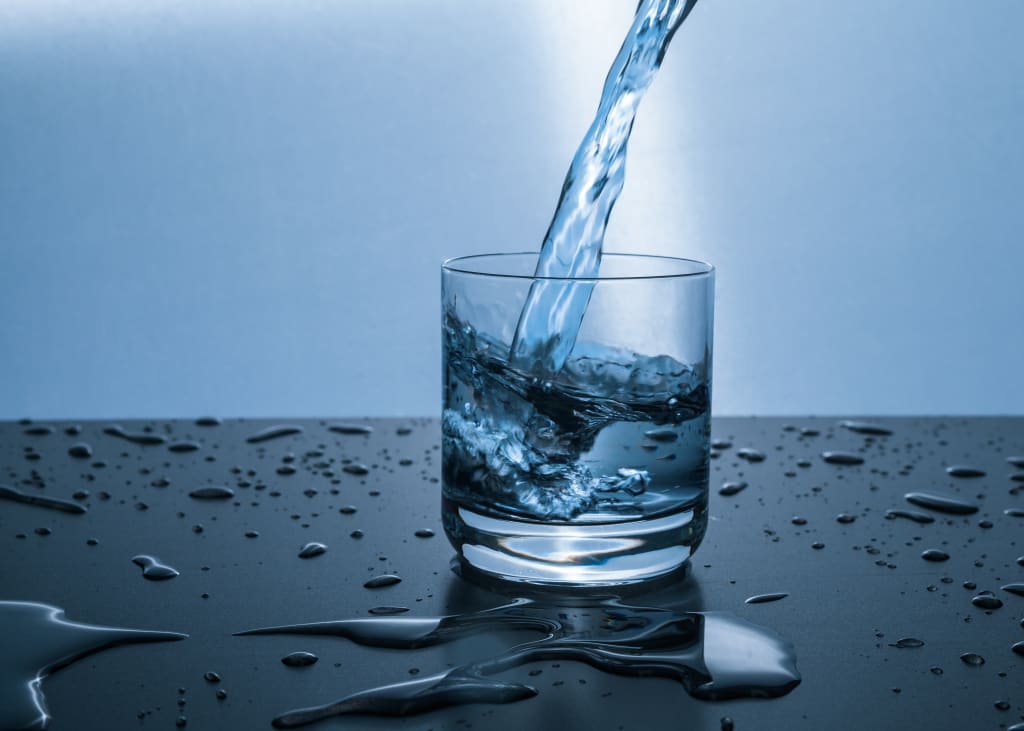
As we embark on our journey towards weight loss, it is important to remember that drinking enough water is an essential component to achieving our goals. Water is not only vital for our overall health, but it can also help us lose weight by suppressing our appetite, boosting our metabolism, and aiding in the digestion process.
In this article, we will explore the importance of hydration for successful weight loss and how you can ensure that you are drinking enough water to help you achieve your weight loss goals.
Why Hydration is Important for Weight Loss
When it comes to weight loss, we often focus on the foods we eat and the exercises we do. However, we tend to overlook the importance of hydration in the weight loss process. Hydration is essential for several reasons:
- Helps Suppress Appetite
Drinking water can help suppress your appetite, making it easier to stick to your weight loss plan. This is because drinking water before a meal can help you feel full, leading you to eat fewer calories.
- Boosts Metabolism
Drinking water can also boost your metabolism, which is the process by which your body burns calories. When you are dehydrated, your metabolism slows down, making it harder to burn calories. By staying hydrated, you can ensure that your metabolism is functioning at its best, helping you burn calories more efficiently.
- Aids in Digestion
Water is essential for the proper digestion of food. Without enough water, your body cannot break down food and absorb nutrients effectively. This can lead to digestive issues and even weight gain. By drinking enough water, you can help your body digest food more effectively, leading to better overall health and weight loss.
How Much Water Should You Drink for Weight Loss?
The amount of water you need to drink for weight loss varies based on several factors, including your weight, activity level, and overall health. As a general rule, it is recommended that you drink at least 8 glasses of water per day. However, this amount may need to be adjusted based on your individual needs.
To determine how much water you need to drink for weight loss, you should consider your weight. As a general rule, you should drink half your body weight in ounces of water per day. For example, if you weigh 150 pounds, you should aim to drink at least 75 ounces of water per day.
Tips for Staying Hydrated
Drinking enough water can be challenging, especially if you are not used to consuming large amounts of liquids. Here are some tips to help you stay hydrated:
- Carry a Water Bottle
Carrying a water bottle with you at all times is an excellent way to ensure that you are drinking enough water throughout the day. You can also set reminders on your phone to remind you to drink water at regular intervals.
2. Add Flavor to Your Water
If you find drinking plain water to be challenging, you can add flavor to your water by infusing it with fruits, vegetables, or herbs. This can help make drinking water more enjoyable, leading you to consume more water throughout the day.
3. Eat Foods with High Water Content
Foods with high water content, such as watermelon, cucumber, and tomatoes, can help you stay hydrated throughout the day. Consuming these foods can also help you feel full, leading to fewer cravings and ultimately, weight loss.
In conclusion, staying hydrated is crucial for weight loss success. Water can help suppress appetite, boost metabolism, and aid in digestion, leading to better overall health and successful weight loss. It's recommended to consume at least 8 glasses of water per day or half your body weight in ounces of water per day, but this amount may vary depending on individual needs. By carrying a water bottle, adding flavor to your water, and consuming foods with high water content, staying hydrated can become an easy and enjoyable part of your weight loss journey. So, keep in mind the importance of hydration and make sure to drink enough water to help you achieve your weight loss goals.
About the Creator
Keep reading
More stories from Donovan Helene and writers in Education and other communities.
Home-Based Income: How to Turn Your Computer into a Money-Making Machine
Working from home has become a new norm for many individuals, especially during the recent global pandemic. With the advancements in technology, it is now possible to earn a decent income while staying at home. One such way to earn income from the comfort of your home is by turning your computer into a money making machine. In this article, we will be discussing various ways in which you can turn your computer into a source of income.
By Donovan Helene3 years ago in Education
Kiranmala: The tale of Princess Who conquered Magic Mountain
Long ago, in a land far away, the queen was panicked, her grasp on reality seemingly slipping. She had given birth to two boys and one girl. But to her horror, before even meeting their father, each child vanished, something else taking their place. She faced accusations of witchcraft and demon sorcery. And though the king loved her, he was easily swayed. He soon grew doubtful and banished his wife, who left the kingdom in anguish. Little did they know, the queen’s jealous sisters were the ones to replace the newborns
By Munesh Yadav3 days ago in Education
Restored to Its Roots: The Homecoming of a Historic Waterwheel
The quiet sound of rushing water once again spins a historic waterwheel in its original location. After decades of absence, the wheel has returned to the same stream it once relied on for power, bringing a sense of closure and continuity to a community that never forgot its value. This return marks not just the restoration of a structure but the revival of a piece of living history.
By Grady Gaston4 days ago in Education
Smart phones, Humans and Aliens.
WARNING. I will be tapping into one of your favorite creative tensions: The absurdity of humans worshipping their glowing rectangles as if they were tiny oracles. There’s something deliciously poetic about that contradiction, and it lends itself beautifully to an instructive proviso.
By Novel Allen6 days ago in Poets




Comments
There are no comments for this story
Be the first to respond and start the conversation.