
The importance of handwriting
Discovering the cognitive and educational benefits of writing by hand
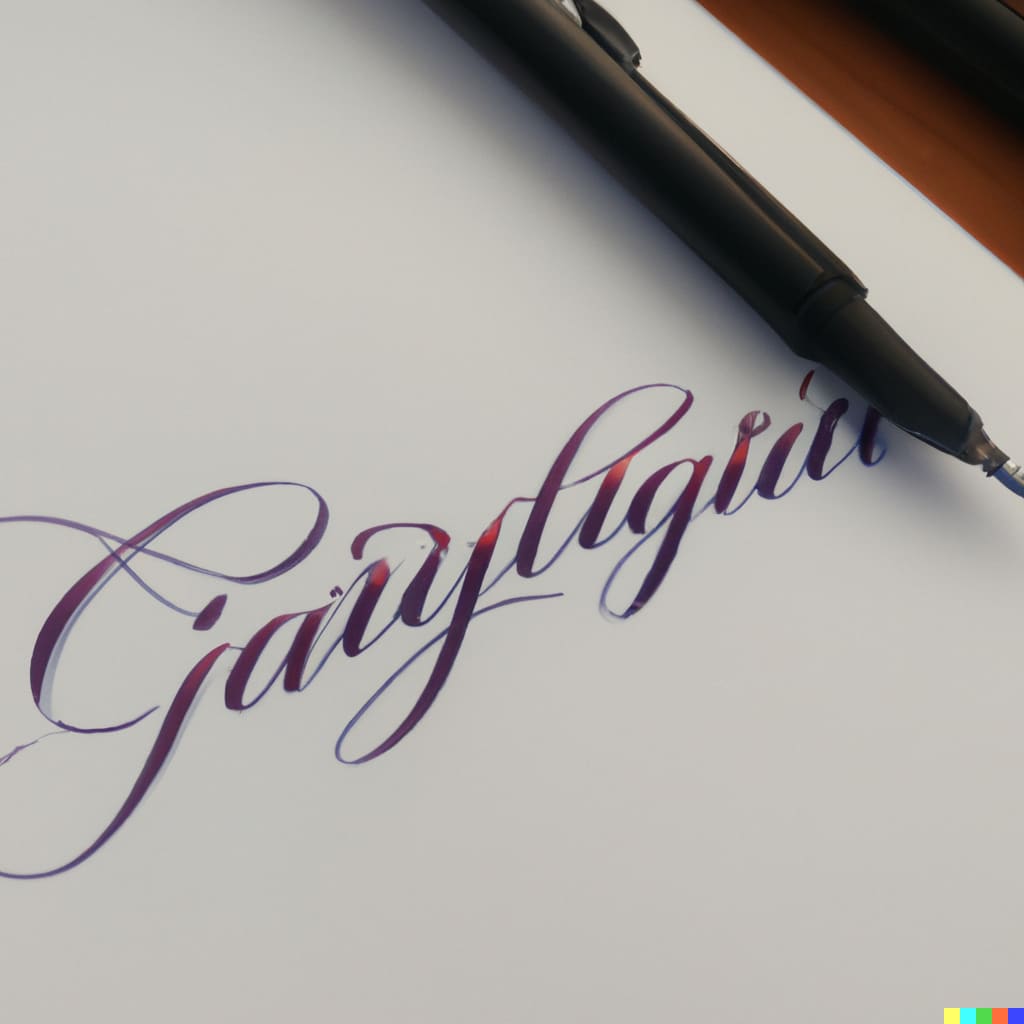
Handwriting is an essential skill that plays a crucial role in our daily lives, from taking notes in class to signing legal documents. Despite the increasing reliance on technology in our society, handwriting remains an important tool for communication and learning.
One of the primary benefits of handwriting is that it helps to improve cognitive development. Studies have shown that the act of writing by hand activates different areas of the brain than typing on a keyboard. When we write by hand, we use fine motor skills and engage the senses, which can lead to better memory retention and improved learning. This is because the process of writing by hand requires the use of multiple senses, including vision, touch, and kinesthesia, which can help to create stronger neural connections.
Additionally, handwriting can also help with language development. Writing by hand is linked to better spelling, reading, and writing abilities in children. This is because the act of writing by hand requires children to focus on the formation of letters, which can help to improve their knowledge of the alphabet and the structure of words.
Handwriting also has a positive impact on creativity and expression. When we write by hand, we are able to explore different writing styles and forms, which can help to inspire new ideas and boost our creativity. Additionally, the physical act of writing by hand can also be therapeutic, allowing us to express our thoughts and emotions in a more personal and meaningful way.
In conclusion, handwriting is an important skill that should not be underestimated. From cognitive development and language development to creativity and expression, handwriting plays a crucial role in our lives. Even in today's world, where technology is prevalent, it is important to continue to teach and practice handwriting to ensure that we have the skills we need to communicate effectively and learn efficiently.
How do I get a good handwriting?

Having good handwriting is not just about being able to write legibly, it is about making a great first impression, expressing yourself clearly, and having the ability to communicate your thoughts effectively. Whether you're writing a letter to a friend, taking notes in class, or writing a professional document, having good handwriting can be the difference between being understood or misunderstood. And the good news is that it's a skill that can be learned and improved upon with practice. By taking the time to focus on your handwriting, you can learn to control your pen or pencil, form letters correctly, and create a writing style that is both legible and visually appealing. Imagine being able to write with confidence, knowing that your work will be read and understood by others. With a little effort, you can achieve this and more. So, don't let your handwriting hold you back, start practicing today and see the improvement for yourself!
Practices for a better :-
1. Hold your pen or pencil correctly: This is the foundation of good handwriting. Make sure you have a comfortable grip on the writing instrument and your fingers are in the right position to control the pen or pencil.
2. Slow down: When we're in a hurry, we tend to write quickly, which can lead to poor handwriting. Slowing down will help you to focus on the letters you're writing, and make sure they're formed correctly.
3. Use the right writing surface: Writing on a smooth surface, such as a blank sheet of paper or a writing tablet, will help you to write more legibly. Avoid writing on rough or bumpy surfaces, as they can impede your ability to write neatly.
4. Use the correct writing instrument: Choose a pen or pencil that is comfortable to hold and write with. Different types of pens and pencils can produce different types of lines, so find one that works well for you.
5. Use proper letter formation: Make sure you're forming letters correctly. This will help to ensure that your writing is legible and easy to read.
6. Practice regularly: Handwriting is a skill that takes time to develop, so make sure you're practicing regularly. Set aside time each day to write by hand and focus on improving your handwriting.
7. Take a break: If your hand starts to feel tired, take a break. The last thing you want to do is to push through and end up with cramping or pain.
8. Review and make adjustments: After you finished writing take a few minutes to review your work and make any necessary adjustments. This will help you to identify areas that need improvement and make changes to improve your handwriting.
In conclusion, handwriting is an essential skill that should not be overlooked. By following good practices, such as holding your pen or pencil correctly, slowing down, using the right writing surface and instrument, using proper letter formation, practicing regularly, taking breaks, and reviewing your work, you can improve your handwriting and achieve the ability to write legibly and express yourself effectively. Remember that handwriting is a skill that takes time to develop, so be patient with yourself and keep practicing. With dedication and effort, you can achieve the handwriting you've always wanted. Whether you're writing a letter to a friend, taking notes in class or writing a professional document, having good handwriting can make all the difference.
How much time should you spend?
It's recommended to spend at least 15-20 minutes each day practicing handwriting. This can be done in shorter sessions throughout the day, such as 5-10 minutes in the morning, afternoon, and evening. It's important to find a time that works best for you and make it a daily habit. Also, it's important to practice regularly over a longer period of time, as opposed to spending a large amount of time on one day and then not practicing for the rest of the week. Consistency is key when it comes to improving your handwriting.
It's also worth noting that the time you need to spend to improve your handwriting will vary depending on your starting point and goals. If you have difficulties with certain letters or have certain specific goals in mind, you may need to spend more time practicing. However, with regular practice, you will see improvement in your handwriting over time.
About the Creator
Student's dream
I am a 15 year old boy trying to earn money
Keep reading
More stories from Student's dream and writers in Education and other communities.
Need for the change of the Period Table
Introduction: Ladies and gentlemen, scientists and chemistry aficionados, buckle up your lab coats and don your safety goggles, because the periodic table is about to get a major makeover! Imagine if your favorite superhero movie decided to add a few new characters, shake things up, and throw a wild party—well, that’s exactly what’s happening to our good ol’ periodic table.
By Student's dream2 years ago in Education
The Politics of Playing Dress-Up
Well, to start off I'd like to say a happy world book day to all who celebrate. I know I haven't really posted anything on my socials about it but I'm not a jubilant kind of person. I lay low most of the time. Let's start off with a popular anecdote from the vaults...
By Annie Kapur4 days ago in Geeks




Comments
There are no comments for this story
Be the first to respond and start the conversation.