
The Importance of Good Teeth and Good Bacteria: How They're Interconnected
See what is recommended
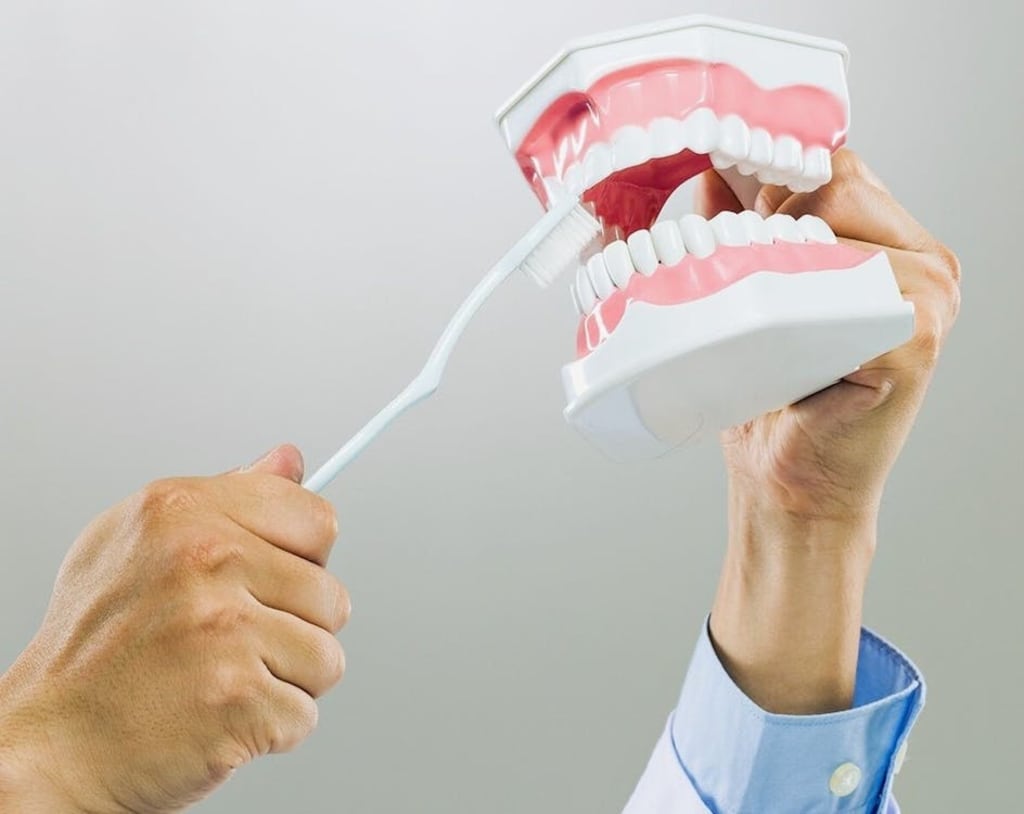
Good oral hygiene is important for maintaining a healthy mouth and a beautiful smile, but did you know that it can also have an impact on your overall health and well-being? Research has shown that the health of your teeth and gums is closely connected to the balance of bacteria in your mouth. In fact, the bacteria that live in your mouth can either support or undermine your oral health.
When it comes to maintaining good oral hygiene, one of the most important things you can do is brush and floss your teeth regularly. This helps to remove plaque, a sticky film of bacteria that forms on your teeth and gums. If left unchecked, plaque can lead to tooth decay and gum disease.
But the importance of good oral hygiene doesn't stop there. The bacteria in your mouth can also affect other areas of your body. For example, studies have shown that gum disease, which is caused by an overgrowth of harmful bacteria in the mouth, can increase the risk of developing serious health problems such as diabetes, heart disease, and stroke. In fact, gum disease has been linked to a number of other health issues as well, including respiratory problems, osteoporosis, and even certain types of cancer.
On the other hand, maintaining a healthy balance of bacteria in the mouth can help support overall health and well-being. Good oral hygiene practices such as brushing and flossing can help to remove plaque and prevent the overgrowth of harmful bacteria. This, in turn, can help to reduce the risk of developing gum disease and other health problems.
So how do you maintain a healthy balance of bacteria in your mouth? In addition to brushing and flossing regularly, there are a number of other strategies you can try. Using mouthwash or an antimicrobial rinse can help to kill bacteria and freshen your breath. Avoiding sugary and acidic foods and drinks can also help to prevent the overgrowth of harmful bacteria and reduce the risk of tooth decay and gum disease.
A healthy diet is another important factor in maintaining a healthy balance of bacteria in the mouth. A diet that is rich in nutrient-dense foods such as fruits, vegetables, and lean proteins can support the growth of beneficial bacteria and promote oral health. On the other hand, a diet that is high in refined carbohydrates and added sugars can feed harmful bacteria and increase the risk of tooth decay and gum disease.
In addition to following good oral hygiene habits and eating a healthy diet, you should also visit your dentist regularly for cleanings and checkups. This can help to remove any buildup of plaque and identify any potential problems early on, before they have a chance to become more serious.
It's also important to note that certain medical conditions and certain medications can affect oral health. For example, diabetes and certain autoimmune diseases can increase the risk of developing gum disease. Similarly, certain medications such as antidepressants and blood pressure medications can cause dry mouth, which can lead to tooth decay and gum disease.
Click Here to see what dentists recommend improving healthy teeth and bacteria!
About the Creator
Keep reading
More stories from writers in Education and other communities.
Eating with Purpose: How Smart Nutrition Transforms Health and Lifestyle
Smart nutrition has emerged as a critical element of modern wellness, emphasizing intentional, balanced, and sustainable dietary choices. Unlike restrictive or fad diets that prioritize short-term results, smart nutrition focuses on long-term health, encouraging a thoughtful approach to the foods we consume daily. By understanding how nutrients affect the body, individuals can enhance energy, optimize performance, and foster mental clarity. This holistic approach reshapes not only physical health but also lifestyle habits, creating meaningful and lasting transformations.
By Matthew Pothoff4 days ago in Education
Instructions Included Challenge Winners
For the Instructions Included challenge, we asked writers to tell a story through instructions and to trust the form to carry what could not be said outright. Across the top entries, that trust paid off in many different ways.
By Vocal Curation Team3 days ago in Resources


Comments
There are no comments for this story
Be the first to respond and start the conversation.