
The Impact of Sound: How It Influences Our Daily Lives
How Sound Shapes Our Environment and Affects Well-Being

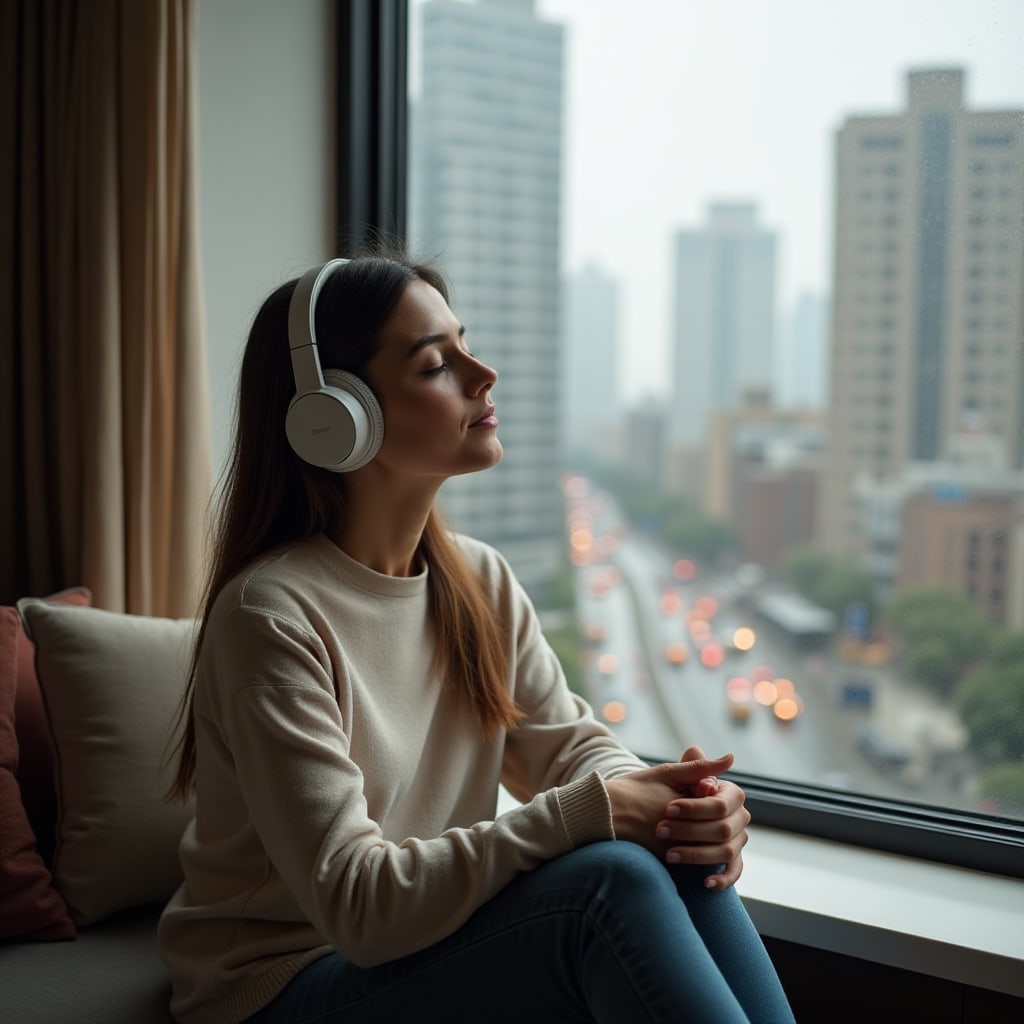
Sound Is a Powerful Tool In Today's Society! Sound, or the vibrations produced by objects, plays an important role in our lives. The sound vibrations in the air, water, and the earth affect our physical state and how we feel about life. Sound affects our thoughts and feelings in many ways. We will investigate some of the remarkable ways that sound can affect both the mind and body.
So, What Exactly is Sound?
The basic definition of sound is that it is made up of vibrations (think of sound as waves that move through the air, water, or even solid objects). Our ears detect the vibrations produced by these vibrating objects. The vibrations produced by sound are what allow us to hear anything from the wonderful melodies of the latest pop song to the annoying buzzing noise in a diner. Sound is made up of three components: frequency, amplitude and timbre.
Frequency: Frequency refers to the speed of the sound vibrations. Frequency is measured in hertz (Hz). High frequency = high pitch and low frequency = low pitch (deep sound).
Amplitude: Amplitude describes the strength of the sound wave. Stronger sound waves produce louder sounds.
Timbre: Timbre describes the characteristics of a sound. This is why when you hear two different musical instruments playing the same note, they sound different from one another.
Together, these components of sound make up the auditory landscape that we live in. Each sound that we hear creates an emotional backdrop for us.
How Do We Hear Sounds?
The way your ears work with your brain to understand what sound is is one of the most extraordinary processes in life! When sound waves strike your eardrums, the vibrations travel through the three bones located in the middle of your ear before transferring the vibrations into your cochlea. The vibrations are then turned into signals for your brain to interpret. The process is like an intricate dance between your ears and your brain.
Our perception of sound changes over time. For example, when we are young, we may have different tastes in music than when we are older. Ongoing studies continue to uncover many of the connections between sound and how we feel, the way we think, and the way we interact with the world.
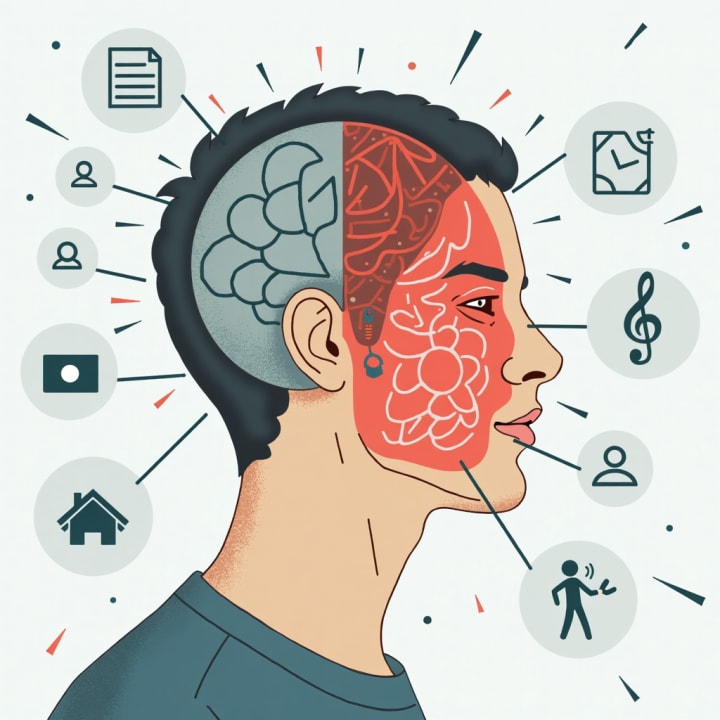
How Sound Affects Our Emotions
The effects of sound go much deeper than just what we hear. Sound plays an important role in how we feel. Sound has a direct effect on our emotional well-being and therefore has a profound impact on our overall quality of life.

How Sound Affects Our Mood
Certain sounds can put us in a great mood. For example, if you hear a catchy song or if you're listening to rain droplets falling against the window, you might feel uplifted and calm. When we listen to soothing music, it can help to lift our spirits and help us to release stress.
On the other hand, loud, aggressive sounds from the city (like honking car horns and construction with a jackhammer) can increase our anxiety and stress levels. These sounds fall under the umbrella of "noise pollution," and illustrate how sound profoundly affects our emotional state. We should pay attention to the sounds in our environment because they have a strong impact on how we feel.
Sound And Memory
Have you ever heard a song that instantly transported you back to a special time? Sound has the ability to evoke powerful memories and feelings, and often recalls comforting and enjoyable moments of our past.
The relationship between sound and memory has been the basis for many healing methods, such as music therapy. Music therapy uses sound to help people explore their emotions and heal. Research shows that using specific sounds can create a time for healing and a way to improve mental health!

At Work: Hearing Ambient Sounds
In the workplace setting where ambient sound is intended to increase productivity and creativity, ambient sounds can provide a way to create a productive work environment; specifically, creating soundscapes that are conducive to staying on task is of primary importance. The most well-studied ambient sounds are sounds associated with music; classical music has been shown to have a relaxing effect on people, while being helpful for staying on task.
Natural sounds are also beneficial. Examples of natural sounds that may be beneficial are birds singing, water running, or rain falling; these types of sounds may increase people's capacity to remember things and to boost their mood. The fact that sound can help with creating an atmosphere in which people can be productive has led to increased advantages to creating an environment at work in which the sounds and sounds of the environment are soundly selected and implemented.
Culturally Connected to Sound
Sounds tell us about cultural heritage. Individuals' cultural backgrounds can inform responses to music and other types of ambient sound. For instance, sound associated with joy may be a common experience among multiple cultures; however, sound associated with joy may elicit responses from multiple cultural perspectives. By developing an awareness of how music relates to different aspects of life, we develop a greater understanding of how sound has the capacity to bring together individuals from diverse cultures and backgrounds.
Physical Response to Sound: How Sound Affects Health
The impact of sound on our health can be surprising. Studies indicate that listening to soothing sounds can reduce stress and induce relaxation and have the potential to promote healing from stress-related injuries. Furthermore, listening to soothing sounds is a form of overall health enhancement. There is also some evidence that sound can enhance immune functioning; indeed, sound exposure has been associated with pain management and immune enhancement, which illustrates the relationship between sound and physical health.

The Role of Sound in Preserving Healthy Hearing
It is possible to sustain hearing through sound, through its potential to foster and enhance positive qualities of health. In other words, sound can enhance our emotional health through its ability to elicit thoughts and feelings. Sound exposure can help to preserve hearing.
Individuals are particularly susceptible to hearing loss through noise exposure in venues such as many live music venues (such as concerts, sporting events, etc.). If left unchecked, sound exposure may contribute to significant hearing loss. Noticing and avoiding noisy locations can assist in maintaining an individual's ability to hear.
Sound in Healing
The practice of healing through sound represents a promising and emerging area of study. Sound therapy techniques such as sound baths and sound bowls can promote physical and emotional well-being and provide individuals with restorative qualities. Integrating sound wellness practices with conventional medicine will create pathways toward holistic wellness and highlight the therapeutic potential of sound.

Sound in Our Daily Lives: The Sound of Everyday Life
Every day, our lives are enriched by being surrounded by sounds. Daily sounds can inspire moments of serenity and tranquility, while urban soundscapes often create frustration and stress due to the ongoing noise. Urban tree structure creates a soundly structured environment that can better support our mental focus, allowing us to think more clearly.
Sound and Work: Enhance Workplace Environment
Workplaces that focus on sound create an innovative and collaborative culture. The inclusion of sound in workplace culture has been shown to strengthen productivity and create cooperative relationships among coworkers.
Ways to Enhance the Workplace for Good Sound
Sound-absorbing products contribute to creating a peaceful work environment.
White noise devices will promote increased concentration because they dampen environmental distractions.
Providing an avenue for employees to listen to their own music introduces an element of autonomy into the workplace, creating a motivating and energetic atmosphere.
With consideration of sound in the workplace, businesses create an office where employees can operate at their highest levels, both from an intellectual perspective and from an emotional perspective.
Sound in Education
Sound also plays a significant role in education. Engaging in aural environments such as lively discussions, debates, etc., can enhance student engagement beyond the standard mode of instruction.
Background music played at low volumes may encourage reflective thought and improved focus, resulting in increased academic success.

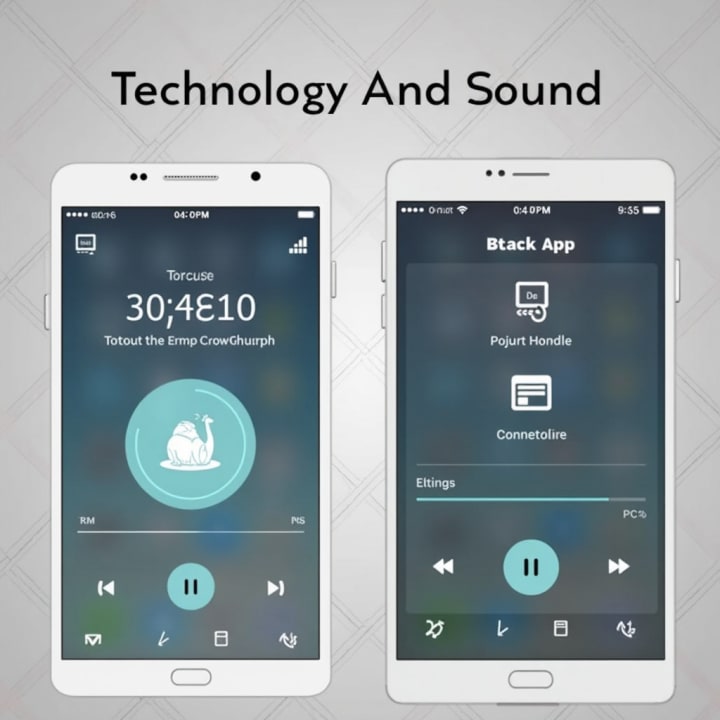
Technology and Sound
Technology increases our ability to take control of our listening experience.
Some cool gadgets include:
Sound effect apps that assist in establishing focus by providing an opportunity to listen to soothing sounds while eliminating distractions.
Devices that use speech recognition and respond to voice commands will allow individuals to more effectively interact with technology.
Technology is constantly evolving, and the ways we interact with the world through sound are also evolving.
Civic and Public Space Configurations
A community's arrangement and design can significantly impact how members of that community interact. Consideration of community structure will help reduce noise pollution.
Smart design creates an environment that fosters quiet social spaces where individuals can connect and share experiences, thereby creating a collective benefit of sound-conscious spaces for connecting.
Establishing quiet retreats in an otherwise chaotic world allows individuals the time and place to recharge their mental batteries and supports nurturing relational connections.
Establishing sound-friendly methods of working will benefit the community by establishing environments that will promote healthier living and create balance in lifestyles.

Understanding the Influence of Sound
Sound impacts our daily lives beyond comprehension. By establishing intentional relationships with our sound environments, we can maximize our well-being, cultivate better relationships with each other and with our surroundings.
Every culture has a unique rhythm; this unique heartbeat enhances and deepens our shared human experience. Sound is not just an atmospheric backdrop; it is a platform for rich discussion about our feelings, ideas, and connections to the world around us. Engaging in active sound-related practices will cultivate an awareness of sound-related storytelling that we share as part of our journey together.
Bye for now
About the Creator
RAOM
Turn every second into a moment of happiness.
Domestic reasons suspected in Lahore university student’s suicide attempt: police
Sources say action would be taken against the university administration if negligence is established LAHORE: Police are investigating a suspected suicide attempt by a 21-year-old female student who was critically injured after falling from the fourth floor of a building at the University of Lahore on Monday, officials said.
By Dena Falken Esq5 days ago in Education
The Responsibility of Scientists in Artificial Intelligence and the Protection of Human Society
Artificial intelligence now plays a central role in modern life. It supports medical care, influences financial decisions, manages traffic systems, and shapes online information. As this technology grows, the responsibility of scientists in artificial intelligence becomes more serious and more visible. Scientists are not only creating tools. They are shaping how people live, work, and relate to one another.
By Jason Pruet6 days ago in Education


Comments (2)
I have misophonia, so I get very easily annoyed and triggered by even the simplest of sounds. I've not heard of sound bath or sound bowl before. So that was very fascinating!
Very informative.