
The Impact of Social Media on Mental Health
Navigating the Shadows of the Digital Age

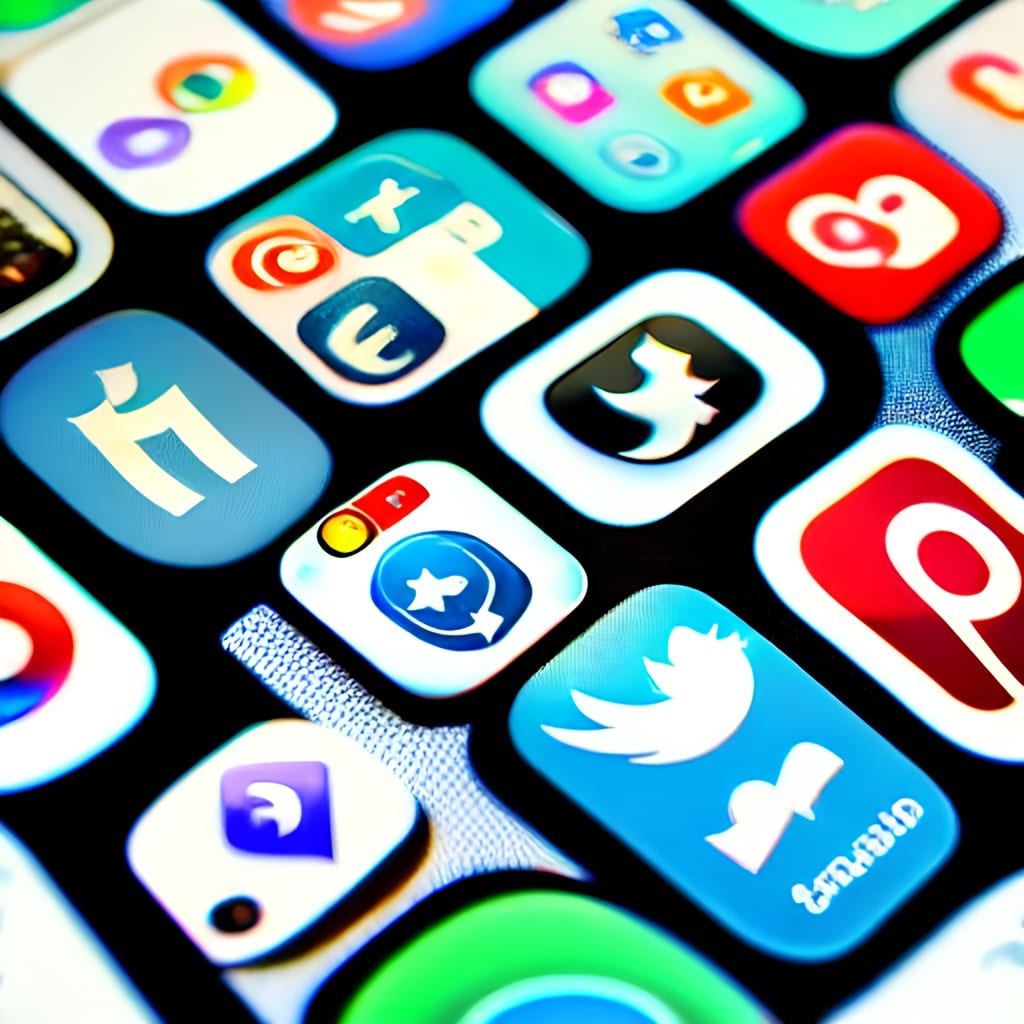
In the digital era, social media has become an integral part of our lives, connecting people across the globe. However, excessive use of social media platforms can have detrimental effects on mental well-being, leading to cyber bullying, anxiety, and depression. This article explores the impact of social media on mental health and offers strategies to maintain a healthy relationship with these platforms.
Social media creates a sense of belonging, entertainment and a medium of self expression, However behind this facade there are many mental health challenges. one of them is cyber bullying where individuals face harassment, insults, and threats, leading to emotional distress and low self-esteem. Moreover, social media can contribute to a constant comparison culture, creating feelings of inadequacy and anxiety.
Social media platforms can fuel anxiety by giving us fear of missing out. Social media gave us new information every time and we have created an unconscious fear of being left out and of not being "Good enough". People on social media fake their lifestyle that can cause people to feel jealous and they also try to build a perfect digital image and that not being successful can cause depression.
Research suggests a correlation between social media use and depression. Constant exposure to idealized portrayals of others' lives can trigger feelings of loneliness, inadequacy, and sadness. Moreover, excessive social media use can disrupt sleep patterns, leading to further emotional instability. The addictive nature of these platforms can also exacerbate symptoms of depression, creating a vicious cycle.
Social media often serves as a highlight reel, showcasing the best moments and curated versions of people's lives. Constant exposure to such filtered content can create a "comparison trap," leading to feelings of inadequacy, low self-esteem, and a distorted sense of reality. The so called ''comparison trap'' allow people to take stress and is responsible for people's anxiety and depression.
While it's essential to acknowledge the potential negative effects of social media on mental health, it's equally important to remember the positive aspects it can offer. By adopting mindful usage habits, cultivating a supportive online community, and taking breaks when needed, we can strive for a healthier relationship with social media.
There are some good ways or methods to keep a good relationship with social media.
Set Boundaries and Limit Usage:
Establish specific time limits for social media use and stick to them. Set boundaries by designating certain times of the day for checking social media and avoid mindless scrolling outside of those designated periods. Consider using productivity apps or phone features that track and limit screen time.
Be Mindful of Your Emotions:
Pay attention to how you feel before, during, and after using social media. If you notice feelings of anxiety, jealousy, or low self-esteem, take a break and engage in activities that uplift your mood. Be aware of the emotions triggered by certain content or interactions and adjust your social media consumption accordingly.
Curate Your Feed:
Be intentional about the accounts and content you follow. Unfollow or mute accounts that consistently make you feel negative emotions or trigger unhealthy comparisons. Instead, seek out accounts that promote positivity, inspiration, and topics aligned with your interests and values.
Practice Digital Detoxes:
Regularly take breaks from social media by implementing digital detox periods. This can be a day, a weekend, or even longer if needed. Use this time to engage in offline activities, connect with loved ones face-to-face, and focus on self-care.
Social media has undeniably transformed the way we connect and communicate, but it is crucial to recognize its potential impact on mental health. By acknowledging the challenges posed by cyber bullying, the comparison trap, and the negative influence on anxiety and depression, we can take steps to mitigate these effects. Striving for a balanced and mindful approach to social media usage empowers individuals to protect their mental well-being in the digital age and foster healthier online communities.
About the Creator
Abdul Rehman
A new content writer with fresh articles and stories to entertainment the audience and to give them factual information. There will be varieties of different topics to read and people will learn new things from me
Keep reading
More stories from Abdul Rehman and writers in Education and other communities.
TimeTravel Explored
Time travel, a concept that has captured the imagination of humans for centuries, continues to fascinate and intrigue. While it has been a popular topic in science fiction, the question remains: Could time travel be possible in reality? In this essay, we will delve into the theories behind time travel and explore the potential avenues that might make it a reality.
By Abdul Rehman3 years ago in Futurism
UMPCO Inc: My Insider View on an Unsung Aerospace Fastener Maker
When I first learned about UMPCO Inc, I had no idea how deep its influence ran through aviation and aerospace hardware. Today, I want to take you behind the scenes of this fastener and hardware solutions manufacturer — a company that quietly supports every aircraft clip, clamp, and bracket that helps keep our skies safe.
By Beckett Dowhan5 days ago in Education
Getting Started with Still Fishing: A Beginner’s Guide
A Beginner’s Guide to Still Fishing So, you’ve decided to take up fishing, and after a quick search online, still fishing catches your eye. The name alone probably makes it sound easy, right? Just sit back, relax, and wait for the fish to bite.
By Irimia Rares4 days ago in Education




Comments
There are no comments for this story
Be the first to respond and start the conversation.