
The Impact of Selective Breeding on Nutrition
The Decline in Nutrient Density: A Growing Concern

Introduction
In recent decades, scientific studies have revealed a troubling trend—fruits and vegetables today contain fewer vitamins, minerals, and other essential nutrients compared to those grown decades ago. This decline in nutrient density raises concerns about our modern diet and overall health. But what has led to this phenomenon? Several factors, including soil depletion, selective breeding, agricultural practices, and environmental changes, have contributed to the diminishing nutritional value of our produce. This article explores these causes in detail and examines the potential implications for human health.
The Decline in Nutrient Density
Studies comparing the nutrient content of fruits and vegetables over the past several decades confirm a significant reduction in key nutrients. One of the most widely cited studies, published in the Journal of the American College of Nutrition in 2004, analyzed U.S. Department of Agriculture (USDA) data from 1950 to 1999. The study found that modern crops had lower levels of protein, calcium, iron, phosphorus, riboflavin, and vitamin C. Similar trends have been observed in other countries, suggesting that this is a global issue.
The phenomenon, sometimes called “the dilution effect,” means that while modern produce may look larger and more appealing, it does not necessarily contain the same levels of essential nutrients.
Soil Depletion: The Root Cause
One of the primary factors behind this decline is soil depletion. Intensive farming practices have stripped soils of essential minerals that plants need to grow nutrient-rich produce. In the past, traditional farming methods allowed soil to rest and replenish its nutrient content through crop rotation and organic fertilization. However, modern agriculture, driven by the need for higher yields, relies heavily on synthetic fertilizers that often lack a full spectrum of micronutrients.
Over time, depleted soil results in plants that contain fewer minerals. For example, if soil lacks magnesium, crops grown in that soil will also be deficient in magnesium. This depletion of essential minerals translates directly to lower nutrient content in the foods we consume.
Selective Breeding for Yield and Appearance:
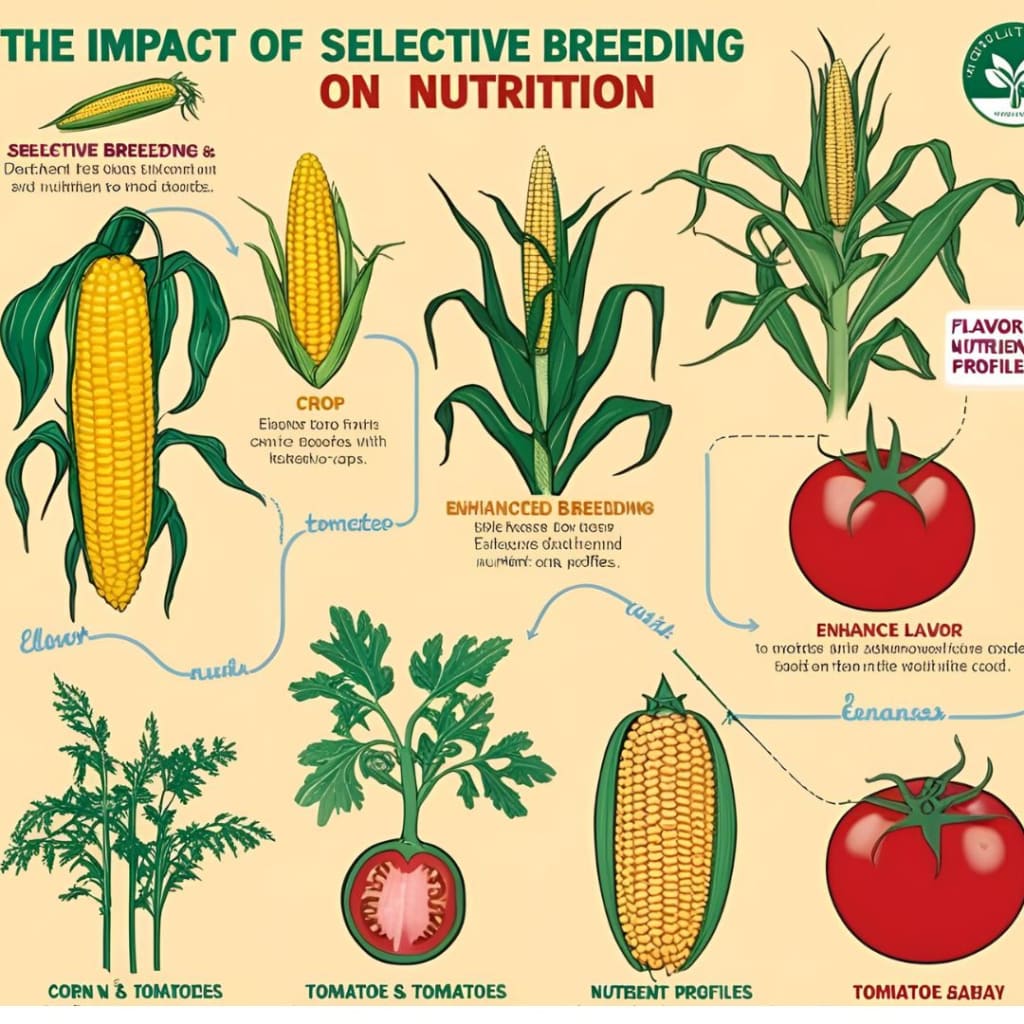
Modern agricultural practices prioritize higher yields, faster growth, and appealing aesthetics over nutrient density. Selective breeding has played a key role in shaping the fruits and vegetables we eat today, often at the expense of their nutritional value.
For example, tomatoes have been bred to be larger, firmer, and more resistant to disease. However, research has found that these breeding practices have led to a decline in important nutrients such as vitamin C and lycopene. Similarly, sweeter corn varieties, which are now more common than traditional types, often contain fewer beneficial phytochemicals and lower protein content.
While these breeding techniques help increase food availability and marketability, they often reduce the concentration of essential nutrients, resulting in produce that may be less beneficial for human health.
The Impact of Chemical Fertilizers and Pesticides:
Modern agriculture relies heavily on chemical fertilizers and pesticides to maximize crop yields and protect against pests and diseases. However, these synthetic inputs do not always support the development of nutrient-rich produce.
Fertilizers high in nitrogen, phosphorus, and potassium (NPK) help crops grow quickly, but they often lack important micronutrients such as zinc, magnesium, and iron. Additionally, pesticides can affect the natural microbiome of soil, reducing the presence of beneficial microbes that assist in nutrient absorption.
These chemical inputs may enable larger harvests, but they often come at the cost of reduced nutritional density. Furthermore, the residual effects of pesticides and fertilizers may impact long-term soil health, exacerbating the nutrient decline in crops over successive growing seasons.
Climate Change and Environmental Factors
Changes in climate and environmental conditions are also playing a role in the declining nutrient content of fruits and vegetables. Rising carbon dioxide (CO2) levels, in particular, have been shown to impact plant composition. Studies indicate that higher CO2 concentrations lead to increased carbohydrate production in plants (such as sugars and starches) but result in lower levels of protein, vitamins, and minerals.
Additionally, unpredictable weather patterns, soil erosion due to heavy rainfall, and increased temperatures can all affect plant metabolism and nutrient uptake. Climate change-driven shifts in growing seasons and water availability further stress plants, sometimes leading to crops that are less nutritionally robust.
The Loss of Heirloom and Wild Varieties:
Another contributing factor to nutrient decline is the loss of heirloom and wild plant varieties. Traditional plant varieties, often referred to as “heirlooms,” were cultivated for their flavor and nutritional benefits rather than their ability to withstand long-distance transport and mass production.
With the rise of commercial agriculture, many of these nutrient-rich varieties have been replaced with standardized, high-yield crops. As a result, genetic diversity in fruits and vegetables has diminished, leading to a narrower range of nutrients available in our diets.
Longer Storage and Transportation Times:
Modern food distribution systems allow fruits and vegetables to travel long distances before reaching consumers. While this has increased food availability year-round, it has also contributed to nutrient loss.
Fresh produce begins to lose nutrients as soon as it is harvested. Long storage and transportation times can accelerate this process. For instance, vitamin C levels in spinach can decline by as much as 50% within a week of harvest. Similarly, refrigeration and controlled-atmosphere storage can reduce the levels of certain antioxidants in fresh produce over time.
Additionally, many fruits and vegetables are harvested before they are fully ripe to extend their shelf life. This practice means they do not reach their full nutrient potential, as many vitamins and phytochemicals develop in the final stages of ripening.
What Can Be Done?
While the decline in nutrient density is concerning, several strategies can help counteract these effects:
1. Support Regenerative Agriculture: Encouraging farming practices that prioritize soil health, such as composting, crop rotation, and reduced pesticide use, can help restore nutrient levels in produce.
2. Choose Heirloom and Organic Varieties: Heirloom and organically grown fruits and vegetables often contain higher levels of essential nutrients compared to conventionally farmed crops.
3. Buy Local and Fresh: Purchasing from local farmers’ markets and consuming produce soon after harvest can help retain more nutrients.
4. Diversify Your Diet: Eating a wide variety of fruits and vegetables can help ensure you receive a broader spectrum of nutrients.
5. Grow Your Own Food: Home gardening allows greater control over soil quality and growing conditions, leading to more nutritious produce.
Conclusion:
The decline in the nutritional value of fruits and vegetables is a multifaceted issue driven by modern agricultural practices, soil depletion, selective breeding, and environmental changes. While these factors have allowed for increased food production and availability, they have also contributed to a significant reduction in essential vitamins and minerals. By making informed food choices and supporting sustainable agricultural methods, consumers can help mitigate these effects and ensure better nutrition for future generations.
About the Creator
Kazi Mirajul Islam
I am expert in digital Marketing .I am also E- book writer & story writer. I am committed to delivering high-quality content.Also create social media account like Facebook,twitter account ,Instagram ,you tube account create and mained.
Keep reading
More stories from Kazi Mirajul Islam and writers in Education and other communities.
How AI Is Impacting the Jobs of Website Designers and Developers
Artificial Intelligence (AI) is transforming industries across the globe, and the world of website design and development is no exception. From streamlining workflows and enhancing creativity to automating repetitive tasks and reshaping professional roles, AI’s influence is broad and deep. In this article, we explore how AI is impacting website designers and developers — the opportunities it presents, the challenges it introduces, and how professionals can adapt to thrive in an AI-augmented landscape.
By Rajiv Menona day ago in Education
Kiranmala: the legend of the princess who considered magic mountain
Long ago, in a land far away, the queen was panicked, her grasp on reality seemingly slipping. She had given birth to two boys and one girl. But to her horror, before even meeting their father, each child vanished, something else taking their place. She faced accusations of witchcraft and demon sorcery. And though the king loved her, he was easily swayed. He soon grew doubtful and banished his wife, who left the kingdom in anguish. Little did they know, the queen’s jealous sisters were the ones to replace the newborns
By Munesh Yadavabout 17 hours ago in Education




Comments (1)
This article is truly eye-opening! I had no idea how deeply modern agricultural practices could affect the nutritional quality of our food. It's fascinating how the combination of current farming technologies, climate change, and the loss of genetic plant diversity can lead to a decline in the nutritional value of the fruits and vegetables we consume daily.