
The Impact of Regular Commercial Cleaning on Workplace Health and Wellness
How Routine Cleaning Practices Create a Healthier, More Productive Work Environment
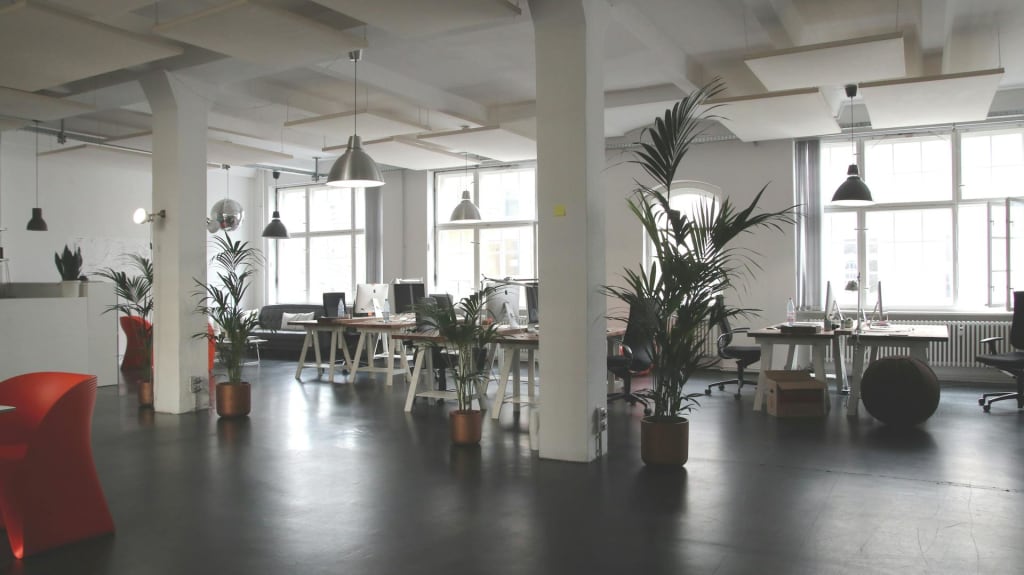
Maintaining a clean workplace is crucial for fostering a productive and healthy environment. While surface-level cleaning routines are standard in most offices, regular and comprehensive cleaning can significantly impact workplace health and wellness on a deeper level. Consistent cleaning practices reduce the spread of germs, improve indoor air quality, and even boost employees’ mental well-being. Hygiene and wellness are more important than ever, it’s worth exploring how regular cleaning can improve health, create a happier workplace, and support overall productivity. Here’s a closer look at the far-reaching benefits of regular cleaning in the workplace.
Reducing the Spread of Germs and Illness
One of the primary benefits of regular cleaning is the reduction of germs and viruses that can easily spread in a bustling office environment. High-touch surfaces such as keyboards, door handles, light switches, and shared spaces like kitchens and bathrooms are common breeding grounds for bacteria and viruses. Without consistent cleaning and disinfecting, these germs can quickly spread among employees, leading to increased illness, absenteeism, and decreased productivity.
By implementing routine cleaning, you can significantly reduce the spread of germs. Regularly disinfecting high-touch areas is essential for maintaining a healthy workplace. Daily cleaning routines should involve wiping down shared areas and objects to minimise the risk of illnesses such as colds, flu, and stomach bugs. A clean office protects employees and visitors alike from getting sick and prevents minor infections from becoming office-wide outbreaks. Investing in regular cleaning can result in fewer sick days, which translates to more consistent productivity and a healthier workforce.
Beyond the immediate benefits of reduced illness, regular cleaning also instills confidence in employees, as they can trust that their workspace is safe and hygienic. Knowing that their health is being prioritised by maintaining a clean environment can boost employee morale and make them feel valued. In turn, employees are likely to feel more motivated and engaged, creating a more positive workplace culture.
Improving Indoor Air Quality
Indoor air quality is a crucial factor in maintaining workplace health, as poor air quality can lead to respiratory issues, allergies, and other health problems. Dust, allergens, and airborne particles can quickly accumulate in office spaces, particularly in those with limited ventilation. Without regular cleaning to address these particles, employees may experience discomfort, headaches, or even more serious respiratory symptoms over time.
Routine cleaning practices that include dusting, vacuuming, and cleaning air vents help remove these airborne particles, leading to improved air quality. It’s not just visible dust that causes problems; contaminants like pollen, mould spores, and bacteria can linger in the air, contributing to poor indoor air quality. A clean environment also reduces the risk of mould growth, which can exacerbate respiratory conditions such as asthma. Offices with high humidity are especially susceptible to mould, as it thrives in damp and poorly ventilated areas.
For optimal results, air vents and HVAC systems should be regularly cleaned and maintained to prevent the circulation of allergens and pollutants. Carpets, another common source of allergens, should also be vacuumed and deep-cleaned periodically. In high-traffic areas, daily vacuuming can prevent dust build-up, while professional deep carpet cleaning should be scheduled at least once or twice a year. A clean, well-ventilated office with high air quality contributes to better focus, reduced symptoms of respiratory discomfort, and overall employee satisfaction. Cleaner air supports productivity, as employees are less likely to suffer from allergies, headaches, or fatigue related to poor air quality.
Boosting Mental Well-Being and Productivity
While physical health is a significant benefit of regular cleaning, mental well-being and productivity also see a boost from a clean workspace. A cluttered, dusty, or dirty environment can contribute to stress, distractions, and decreased motivation. In contrast, a clean and organised space helps improve focus, reduce stress, and foster a more positive work atmosphere. When employees work in a tidy and well-maintained environment, they can concentrate better, feel more motivated, and experience a sense of pride and satisfaction in their surroundings.
Research has shown that our environment directly influences our mental state. A clean and orderly workplace reduces visual clutter, which helps employees feel more relaxed and focused. When employees are comfortable in their workspace, they are more likely to stay engaged in their tasks and perform at their best. Regular cleaning also prevents bad odours, which can be a source of distraction or discomfort. Maintaining a pleasant-smelling office environment can contribute to a more positive and productive atmosphere, making the workplace feel more inviting and comfortable.
A clean office also signals to employees that their well-being is valued by their employer. Knowing that the company invests in a hygienic and pleasant work environment can improve morale and foster a sense of loyalty and commitment. When employees feel appreciated and cared for, they are more likely to contribute positively to the workplace culture and build better relationships with colleagues. Regular cleaning practices promote a healthy and happy workplace, which can boost both individual and team performance.
Creating a Healthier Work Environment with Deep Cleaning
While daily cleaning routines help maintain surface cleanliness, regular deep cleaning is essential to address areas that are often missed. Deep cleaning involves a thorough cleaning of carpets, upholstery, air ducts, and other hard-to-reach areas where dirt and germs can accumulate over time. By incorporating deep cleaning into the office maintenance schedule, businesses can ensure a higher standard of cleanliness and hygiene, providing a truly healthy work environment.
Deep cleaning is particularly important for areas like carpets and upholstered furniture, which can harbour dust mites, bacteria, and allergens. These particles can linger in fabric and fibres, leading to allergy symptoms and affecting air quality. Regular deep cleaning removes contaminants from carpets, reducing allergy symptoms and preventing the build-up of dust and debris. Upholstered furniture, especially in shared areas, should also be deep cleaned to maintain a hygienic and fresh-smelling environment.
Air ducts are another area that benefits from deep cleaning. Over time, dust and allergens can build up in the ductwork, which can then be circulated throughout the office when the HVAC system is in use. By cleaning air ducts regularly, businesses can reduce the circulation of allergens and pollutants, leading to improved indoor air quality and a healthier workspace. Deep cleaning, though less frequent than daily cleaning, is essential for tackling hidden contaminants that can affect long-term health and comfort.
Supporting a Clean Desk Policy
A clean desk policy encourages employees to keep their workspaces organised and clutter-free, which can significantly impact overall workplace cleanliness. When desks are tidy, cleaning staff can more easily wipe down surfaces, preventing the build-up of dust and germs. This practice not only creates a more organised environment but also fosters a culture of cleanliness and personal responsibility among employees.
Encouraging employees to clean and sanitise their desks at the end of each day can further contribute to a healthier work environment. Providing disinfectant wipes, hand sanitisers, and trash bins at each workstation makes it easy for employees to maintain their spaces. A clean desk policy also helps to reduce the presence of personal items and food, which can attract pests and create additional sources of bacteria. This collective effort contributes to a healthier and more productive workplace where everyone takes an active role in maintaining a clean and hygienic environment.
By promoting a clean desk policy, employers can also help reduce visual clutter, which has been linked to improved focus and reduced stress. A workspace free of unnecessary items creates a more inviting atmosphere, allowing employees to focus on their tasks without distraction. Furthermore, keeping desks clear of clutter facilitates regular cleaning by professionals, ensuring that all areas are sanitised and well-maintained.
Enhancing Workplace Satisfaction and Reducing Turnover
Investing in regular cleaning can have a positive impact on workplace satisfaction, which is closely tied to employee retention. A well-maintained and clean workplace reflects positively on the company and demonstrates a commitment to employee health and comfort. When employees feel that their workplace prioritises their well-being, they are more likely to be satisfied with their jobs and stay with the company long-term.
A clean and pleasant office environment can enhance a company’s image, making it more attractive to potential hires. Prospective employees are more likely to be impressed by a well-maintained workspace and view the company as a desirable place to work. Existing employees are also less likely to seek employment elsewhere when they feel supported and valued. Cleanliness can contribute to a positive company culture, which is a key factor in attracting and retaining top talent.
For employers, a clean workplace is not only about aesthetics—it’s a critical investment in employee health, satisfaction, and productivity. By prioritising regular and thorough cleaning, companies can create a healthier, happier, and more successful work environment. In the long run, this investment pays off by reducing absenteeism, lowering turnover, and building a positive reputation that attracts and retains talented employees.
Commercial Services
While regular cleaning by employees can contribute to a tidy environment, partnering with a professional commercial cleaning service can take workplace hygiene to the next level. Commercial cleaners bring expertise, specialised equipment, and professional-grade products that are essential for achieving a deep, thorough clean that goes beyond daily maintenance. By hiring commercial cleaners, businesses can ensure that every corner of the office is sanitised, reducing the presence of germs, allergens, and contaminants that can impact employee health and well-being.
Expertise and High-Quality Cleaning Standards
Commercial cleaners are trained to handle various cleaning tasks that may be overlooked by standard cleaning routines. They have the skills to properly clean and disinfect high-touch surfaces, such as door handles, shared electronics, and bathroom fixtures, which are critical areas for preventing the spread of germs. Commercial cleaners also understand the specific cleaning requirements for different materials and surfaces, ensuring that everything from carpets to office equipment is cleaned safely and effectively.
Commercial cleaners can provide deep cleaning services, such as carpet shampooing, window washing, and air duct cleaning, which require specialised equipment and techniques. By incorporating these services into the office cleaning schedule, businesses can maintain a higher standard of cleanliness, which contributes to better indoor air quality, a reduction in allergens, and a more pleasant working environment. Commercial cleaners also use high-quality, industrial-grade products that are often more effective at disinfecting and sanitising than typical household cleaners, providing an added layer of protection against bacteria and viruses.
Office cleaning goes beyond simply keeping the place looking tidy. It plays a vital role in maintaining workplace health, improving air quality, reducing the spread of germs, and boosting employee well-being. By implementing consistent cleaning practices, including commercial cleaning and helping to keep things tidy, businesses can create a healthier, more productive, and more enjoyable environment for their employees. Investing in a clean workplace reflects a company’s commitment to the health and satisfaction of its workforce, ultimately supporting a positive workplace culture, reducing turnover, and enhancing overall success. In the modern workplace, prioritising cleanliness is essential for fostering a thriving and resilient organisation.
About the Creator
Keep reading
More stories from Your NZ Local and writers in Education and other communities.
Essential Plumbing Tips Every Homeowner Should Know
Owning a home comes with the responsibility of keeping everything in working order, and plumbing is one of the most critical aspects to maintain. While it’s always a good idea to call a professional plumber for major issues, there are several essential plumbing tips every homeowner should know to prevent small issues from turning into costly repairs. Here are some fundamental tips that can help you manage and maintain your home’s plumbing system effectively.
By Your NZ Localabout a year ago in Education
Top 10 SEO Experts In Pakistan In 2026
Introduction Search optimization in 2026 no longer revolves around keywords or isolated ranking tactics. Google’s AI Overviews, entity-based indexing, and answer-first systems have changed how visibility is earned. Search engines now evaluate meaning, credibility, and contextual authority rather than mechanical signals.
By Sajid Ali Shar3 days ago in Education
Colors and Such
Before I retired in 2020, I worked as a Nursing instructor in one of the nation's largest community colleges. It was a job I thoroughly enjoyed for fifteen years because I had a heart for the students and genuinely wanted to invest in them and their futures.
By Shirley Belk5 days ago in Education



Comments
There are no comments for this story
Be the first to respond and start the conversation.