
The Impact of 5G Technology on Society
Exploring the Transformative Effects of 5G on Communication, Economy, and Daily Life

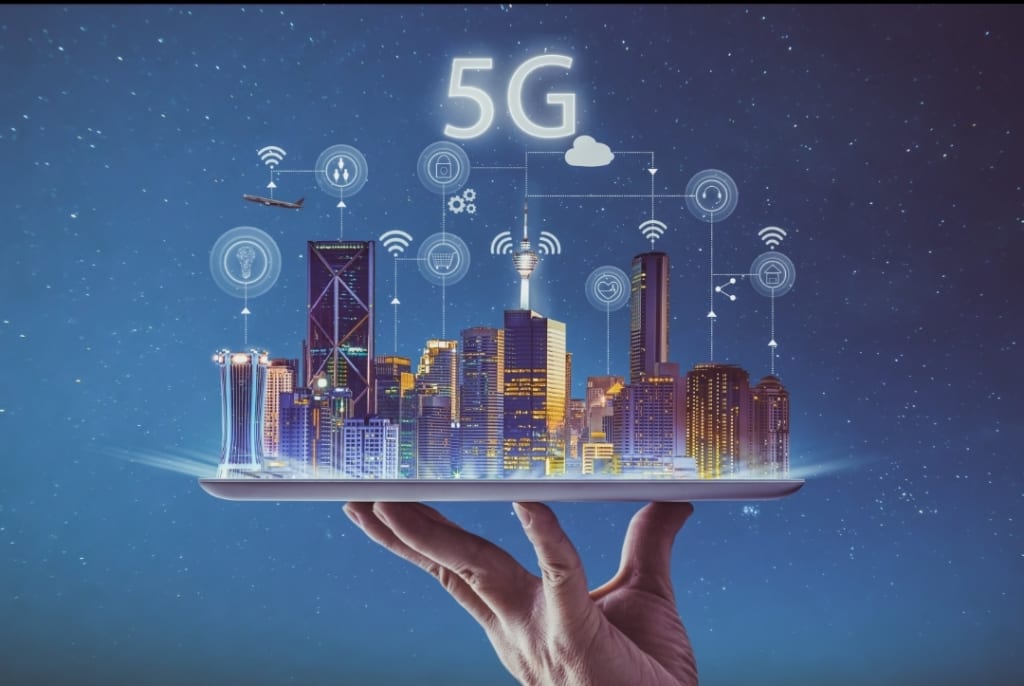
The advent of 5G technology promises to revolutionize the way we live, work, and interact with the world. As the fifth generation of wireless technology, 5G offers faster speeds, greater reliability, and a more connected society. While the introduction of 5G is still ongoing in many parts of the world, its potential impacts are already being widely discussed. From improvements in communication and healthcare to advancements in smart cities and the economy, 5G technology is set to bring about far-reaching changes in society. This article will explore the various ways in which 5G technology will impact individuals, businesses, and governments across the globe.
One of the most notable features of 5G technology is its increased speed. With download speeds potentially reaching up to 100 times faster than current 4G networks, 5G will significantly reduce the time it takes to transfer large amounts of data. This will lead to faster internet browsing, quicker downloads and uploads, and smoother streaming experiences for consumers. The higher speeds also allow for more devices to connect simultaneously without causing congestion, which is particularly important as the number of connected devices continues to grow.
For individuals, the enhanced speed and connectivity offered by 5G will have a profound effect on everyday life. For example, the use of virtual reality (VR) and augmented reality (AR) applications will become more widespread, as 5G's low latency and high bandwidth will support real-time, interactive experiences. In entertainment, 5G will allow for ultra-high-definition video streaming and real-time gaming experiences that were previously unimaginable. As a result, consumers will have access to more immersive and interactive content, enhancing their overall digital experience.
In the field of healthcare, 5G is expected to have a transformative impact. The technology's ability to provide reliable and fast connections will enable the widespread adoption of telemedicine, allowing patients to consult with doctors remotely in real-time. This is especially important in rural and underserved areas where access to healthcare providers is limited. With 5G, doctors will be able to perform remote surgeries using robotic systems, ensuring that patients receive the care they need even if they are not physically present in the same location. Additionally, wearable health devices that monitor vital signs and other health data in real-time will benefit from 5G's improved connectivity, enabling healthcare professionals to make more informed decisions and provide better care.
Smart cities, which integrate technology to improve the quality of life for residents, will also benefit from 5G technology. The faster and more reliable network will support the vast amounts of data generated by sensors and devices that monitor everything from traffic flow to air quality. This data will be used to optimize city services, reduce energy consumption, and improve public safety. For instance, smart traffic lights could adjust in real-time based on traffic patterns, reducing congestion and improving transportation efficiency. In the event of an emergency, 5G-enabled systems could quickly alert first responders, enabling faster response times and potentially saving lives.
The impact of 5G on business operations will also be significant. Companies will be able to leverage the faster speeds and lower latency to streamline operations, improve productivity, and innovate in ways that were previously not possible. For example, 5G will enable the growth of the Internet of Things (IoT), connecting billions of devices that can communicate with each other autonomously. This will allow businesses to automate processes, monitor equipment in real-time, and collect valuable data to make more informed decisions. Manufacturing industries will benefit from the ability to connect machines and systems seamlessly, allowing for more efficient production lines and less downtime.
Moreover, the rise of 5G will drive the development of new technologies and business models. Industries such as autonomous vehicles, smart agriculture, and robotics are expected to see significant growth due to 5G's capabilities. Autonomous vehicles, for instance, will rely on 5G to communicate with other vehicles, traffic infrastructure, and the cloud, enabling safer and more efficient transportation systems. In agriculture, 5G-powered sensors will enable precision farming, where farmers can monitor soil conditions, crop health, and weather patterns in real-time, leading to better yields and reduced environmental impact.
On a global scale, 5G technology will have far-reaching implications for economic growth. The introduction of 5G networks is expected to create millions of new jobs and spur innovation across various sectors. According to some estimates, the global economic impact of 5G could reach trillions of dollars over the next few decades. Countries that are early adopters of 5G technology will have a competitive advantage in the global economy, attracting investment and fostering innovation in industries such as telecommunications, manufacturing, and healthcare.
However, despite its many benefits, the rollout of 5G technology also raises some concerns. One of the primary issues is the potential impact on privacy and security. With the increased number of connected devices, there are more opportunities for cyberattacks and data breaches. As more personal and sensitive information is transmitted over 5G networks, ensuring the security of this data becomes crucial. Governments and businesses will need to invest in robust cybersecurity measures to protect individuals' privacy and prevent malicious attacks.
Another concern surrounding 5G is its environmental impact. While the technology promises to optimize energy use in various sectors, the infrastructure required to support 5G networks will require significant resources. The installation of new cell towers and the manufacturing of 5G-enabled devices could contribute to electronic waste and carbon emissions. Furthermore, the energy consumption of 5G networks themselves is expected to be higher than that of 4G networks, which could contribute to environmental degradation if not managed properly.
There are also concerns regarding the potential health effects of 5G technology. While research on the health impacts of 5G is still ongoing, some studies suggest that prolonged exposure to radiofrequency radiation from 5G towers and devices could have adverse effects on human health. Although the consensus among health experts is that 5G technology is safe when used within regulatory limits, public concerns persist, and further research will be needed to fully understand the long-term effects of 5G on health.
In conclusion, 5G technology has the potential to bring about transformative changes in society, from faster internet speeds and improved healthcare to more efficient cities and innovative business practices. While there are challenges and concerns to address, the benefits of 5G are undeniable. As the technology continues to roll out across the globe, it will shape the future of communication, transportation, healthcare, and many other industries, driving economic growth and improving the quality of life for people around the world. The key to fully realizing the potential of 5G will be ensuring that its implementation is done responsibly, with careful attention to privacy, security, environmental impact, and health concerns.
About the Creator
Nora Ariana
Empowering through stories and sound igniting purpose, sparking growth, and awakening the power within.
Keep reading
More stories from Nora Ariana and writers in Education and other communities.
A goal is a dream with a deadline
A goal is a dream with a deadline. This powerful quote reminds us that without action, dreams remain just that wishes floating in our imagination. But when we set a timeline and commit to achieving them, they evolve into goals, bringing clarity, direction, and purpose. Many people go through life holding on to dreams, hoping they will come true someday. But someday is not a day on the calendar. Dreams without structure often fade with time or get buried under the weight of daily responsibilities. Turning a dream into a goal is what separates those who achieve from those who continue to wish.
By Nora ArianaExclusive • 11 months ago
Rising Graduation Rates Show the Power of Student Support
Education shapes the future of every community. In recent years, schools across the United States have reported rising graduation rates, and this progress tells a powerful story. More students are completing high school and moving toward new opportunities. As a result, educators, families, and community leaders see clear proof that focused support and better teaching methods make a real difference.
By Tom Walter Wake Forest2 days ago in Education
The Forsyth House Fire
Since 1851, Forsyth House has stood on the corner of Union Street and Gordon Street in the heart of Glasgow. Its iconic, or was... because on Sunday 8th of March, 2026, a fire broke out in a small, seemingly un-named shop in the building and tore all that history down. As I write, the rubble is still unsettled and the street is still blocked off. Central Station is quiet on the upper level, and around 30 small businesses have quite literally gone up in smoke.
By S. A. Crawford2 days ago in The Swamp


Comments
There are no comments for this story
Be the first to respond and start the conversation.