
The Hidden Threat of Pneumococcus: Understanding the Risks and How to Protect Yourself
Why Streptococcus pneumoniae Remains a Serious Health Concern—and What You Can Do About It

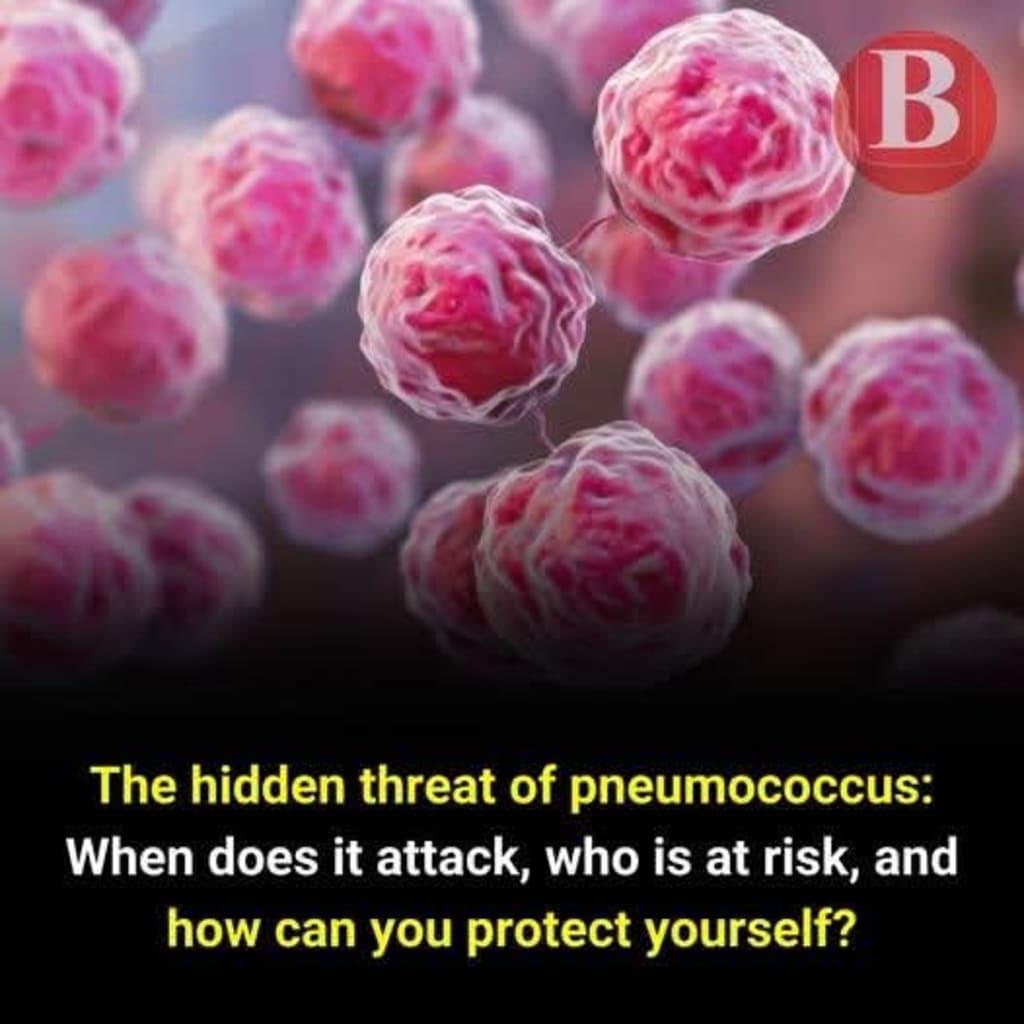
Pneumococcus, scientifically known as Streptococcus pneumoniae, is a bacterium that often lurks unnoticed in the community but has the potential to cause severe illness. Despite advances in medicine and vaccination, pneumococcal disease remains a significant threat, especially to vulnerable populations. Understanding when it strikes, who is most at risk, and how to protect yourself is crucial in the ongoing fight against this hidden danger.
What is Pneumococcus?
Pneumococcus is a type of bacteria commonly found in the nose and throat of healthy individuals, particularly children. While it can live harmlessly in many people, it sometimes invades other parts of the body, leading to serious infections. These infections include pneumonia (lung infection), meningitis (infection of the lining around the brain and spinal cord), bacteremia (blood infection), and otitis media (middle ear infection).
When Does Pneumococcus Attack?
Pneumococcal infections can occur at any time of the year, but they are most common during the colder months. This is partly because people spend more time indoors and in close contact with others, making it easier for the bacteria to spread. The risk of infection increases when the immune system is weakened, whether due to another illness, chronic disease, or aging.
The bacteria are transmitted through respiratory droplets—when an infected person coughs or sneezes, tiny droplets containing the bacteria can be inhaled by others nearby. Sometimes, people can carry the bacteria without showing any symptoms, unknowingly spreading it to others.
Who is at Risk?
While anyone can get pneumococcal disease, certain groups are at higher risk of severe infection:
Young Children: Their immune systems are still developing, making them more susceptible to invasive pneumococcal disease.
Older Adults (65+): Aging weakens the immune system, increasing vulnerability to infections and complications.
People with Chronic Illnesses: Conditions like diabetes, heart disease, lung disease, and kidney disease can compromise the body’s defenses.
Immunocompromised Individuals: Those with weakened immune systems due to HIV/AIDS, cancer treatments, or organ transplants are particularly at risk.
Smokers and Alcoholics: Smoking damages the respiratory tract, and excessive alcohol use impairs the immune system, both raising the risk of infection.
Residents of Long-Term Care Facilities: Close living quarters facilitate the spread of bacteria.
Symptoms of Pneumococcal Disease
Symptoms vary depending on the type of infection. Common signs include:
Pneumonia: Cough, fever, chills, chest pain, difficulty breathing, and fatigue.
Meningitis: Severe headache, stiff neck, sensitivity to light, confusion, and sometimes a rash.
Bacteremia: Fever, chills, low blood pressure, and confusion.
Otitis Media: Ear pain, fever, irritability (especially in children), and sometimes hearing loss.
In severe cases, pneumococcal disease can lead to hospitalization, long-term disability, or even death, especially if not treated promptly.
How Can You Protect Yourself?
Protection against pneumococcus involves a combination of vaccination, healthy habits, and awareness.
1. Vaccination
Vaccines are the most effective way to prevent serious pneumococcal disease. There are two main types:
Pneumococcal Conjugate Vaccine (PCV13 or PCV15): Recommended for all children under 5, adults 65 and older, and people with certain health conditions.
Pneumococcal Polysaccharide Vaccine (PPSV23): Recommended for adults 65 and older and people aged 2–64 with specific risk factors.
These vaccines help the immune system recognize and fight the bacteria if exposed. Talk to your healthcare provider about which vaccine is right for you or your family members.
2. Good Hygiene Practices
Wash your hands regularly with soap and water, especially after coughing, sneezing, or touching your face.
Cover your mouth and nose with a tissue or your elbow when you cough or sneeze.
Avoid close contact with people who are sick, and stay home if you are unwell to prevent spreading infection.
3. Healthy Lifestyle Choices
Maintain a balanced diet rich in fruits, vegetables, and whole grains to support your immune system.
Get regular exercise to keep your body strong.
Avoid smoking and limit alcohol consumption, as both can weaken your body’s defenses.
4. Manage Chronic Conditions
If you have a chronic illness, work closely with your healthcare provider to keep it under control. Proper management of diabetes, heart disease, or lung conditions can reduce your risk of severe pneumococcal disease.
When to Seek Medical Help
If you or someone you care for develops symptoms of a serious infection—such as high fever, difficulty breathing, chest pain, confusion, or a stiff neck—seek medical attention immediately. Early diagnosis and treatment with antibiotics can be lifesaving.
Conclusion
Pneumococcus is a hidden threat that can strike anyone but poses the greatest risk to young children, older adults, and those with weakened immune systems. By understanding when it attacks, recognizing who is at risk, and taking proactive steps to protect yourself—especially through vaccination—you can significantly reduce your chances of serious illness. Stay informed, practice good hygiene, and consult your healthcare provider about the best ways to safeguard your health against pneumococcal disease.
About the Creator
Keep reading
More stories from DigitalAddi and writers in Education and other communities.
A 3-Year-Old’s Astonishing Claim: Recalling a Past Life Murder
In an extraordinary and unsettling case that has captured the attention of many, a 3-year-old boy from an undisclosed location has reportedly recalled details of being murdered in a "past life" and led authorities to the exact spot where his supposed former body was buried. The story, accompanied by an image of the child standing in a lush, green area with a photograph of unearthed skeletal remains, raises profound questions about memory, reincarnation, and the unexplained phenomena that continue to intrigue humanity.The incident began when the young boy, whose identity remains protected, started sharing vivid and disturbing memories with his family. According to those close to him, he spoke with an unusual clarity for his age, describing a violent event where he claimed to have been killed. He provided specific details, including the location of the incident and the manner of his death, which left his parents both shocked and skeptical. Initially dismissing it as a child’s vivid imagination, the family’s perspective shifted when the boy persistently pointed to a particular spot in a nearby wooded area, insisting that his body was buried there.Intrigued and somewhat alarmed, the family decided to investigate further. Accompanied by local authorities, they followed the child’s directions to the location he had indicated. What they uncovered was beyond anyone’s expectations. Digging at the site revealed skeletal remains, consistent with the boy’s descriptions of his supposed past life murder. The discovery included bones that appeared to belong to an adult, along with other evidence that suggested foul play. The find sent shockwaves through the community and prompted a formal investigation by law enforcement to determine the identity of the remains and the circumstances surrounding the death.Experts in child psychology and parapsychology have been called upon to analyze the case. Some suggest that the boy’s memories could be a form of cryptomnesia, where forgotten memories from stories or events he might have overheard are resurfacing in his mind. Others, however, lean toward the possibility of reincarnation, a concept found in various cultural and spiritual traditions where a soul is reborn into a new body, sometimes retaining memories of past lives. Cases like this are rare but not unprecedented, with documented instances of young children recalling detailed past-life experiences, often corroborated by historical evidence.The image accompanying the story shows the boy from behind, standing in the greenery, gazing toward the spot he identified. Superimposed over the scene is a circular inset of the unearthed skeleton, partially embedded in the soil, hinting at the grim discovery. The text overlay boldly declares, “3-YEAR-OLD BOY REMEMBERS BEING MURDERED IN HIS ‘LAST’ LIFE, CORRECTLY POINTS TO WHERE HIS BODY WAS BURIED,” encapsulating the sensational nature of the event.Skeptics argue that the case might involve coincidence or suggestion, where the child’s statements were influenced by adult reactions or local lore. They point out that without forensic confirmation linking the remains to the boy’s narrative, the story remains speculative. On the other hand, believers see it as a potential breakthrough in understanding consciousness and the possibility of life after death. The boy’s ability to pinpoint the burial site with such precision, they argue, defies simple explanation and warrants serious consideration.Forensic analysis is currently underway to determine the age, gender, and cause of death of the skeleton. Investigators are also working to match the remains with missing persons records, which could provide critical clues. If the evidence aligns with the boy’s account, it could lend credence to his claims and open new avenues of research into reincarnation and memory retention across lifetimes.The family, meanwhile, is grappling with the emotional toll of the situation. The boy’s parents have expressed a mix of awe and concern, unsure of how to support their child as he processes these unusual memories. They have sought guidance from both medical professionals and spiritual advisors, hoping to understand the implications for his future. The community, too, is divided, with some embracing the story as a miracle and others urging caution until more concrete evidence emerges.This case echoes other well-known examples of children with past-life memories, such as the story of James Leininger, a young boy in the United States who recalled being a World War II pilot. Like that case, the current incident invites both scientific scrutiny and philosophical debate. Whether the boy’s recollections are a product of an extraordinary mind, a glimpse into a past life, or a remarkable coincidence, the discovery of the remains has undeniably sparked a global conversation.As the investigation continues, the world watches with bated breath. The outcome could reshape our understanding of memory, identity, and the mysteries of the human soul. For now, the 3-year-old boy stands as a small figure at the center of a profound enigma, his innocent pointing hand leading us toward questions that may never be fully answered.
By DigitalAddi8 months ago in Education
Your phones camera isn't as good as you think
When the Visualphone VP210 hit the market in 1999, it advertised a never-before-seen feature: a camera. With only 0.11 megapixels and storage for 20 photos, the Visualphone is a relic compared to modern devices sporting three distinct cameras, each with up to 100 times more resolution. But while this technology has improved dramatically in the 21st century, engineers are rapidly approaching a hard limit on phone camera quality. To understand this limit, we first need to know how phone cameras work.
By Munesh Yadava day ago in Education
Miss Persephone's Manual to a Seemingly Ordinary Life
Miss Persephone was found at the dining table, her blue eyes swollen, her tears arriving and retreating like the tides of the ocean. Earlier that day, her family had visited her in the retirement home where she had lived for eight years. It was her eightieth birthday.
By Imola Tóth2 days ago in Fiction


Comments
There are no comments for this story
Be the first to respond and start the conversation.