
The Hidden Dangers of Raw Milk and Avian Flu: How to Protect Your Family
Understanding Raw Milk and Its Appeal

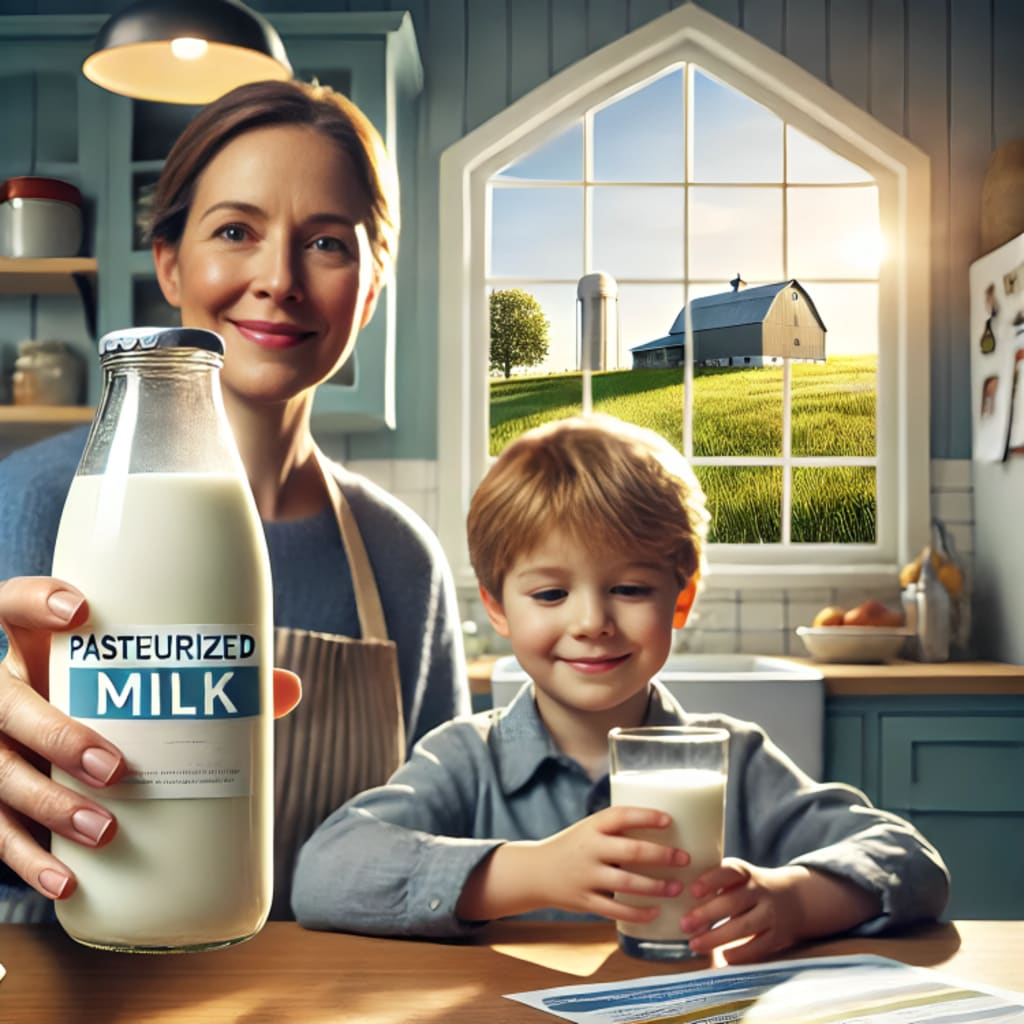
Raw milk has emerged as the new "healthier" alternative to pasteurized milk in modern days. Its consumption, however, comes with serious health risks-a lesson learned from recent outbreaks of illnesses caused by flu-contaminated milk. The alarming story of a child having almost lost his life to raw milk consumption serves as a stark reminder of the potential danger it can pose. In addition, involvement of avian flu in dairy product contamination increases cause for alarm. This article seeks to enlighten the public on risks from raw milk, its association with avian flu, and how one can safeguard themselves and loved ones.
Understanding Raw Milk and Its Appeal
Raw milk is that which has not undergone pasteurization, the treatment of milk at a specified temperature to kill harmful bacteria. Advocates say that it retains more nutrients and has better taste compared to pasteurized milk. Some people also claim it aids in better digestion and boosts immunity.
While these statements may sound appealing, they are not scientifically proven. The Centre’s for Disease Control and Prevention (CDC) and other health institutions strictly caution against the consumption of raw milk because it is a great risk for the presence of disease-causing pathogens.
Hazards of Intaking Raw Milk
1. Bacterial Contamination
Salmonella: Severe gastrointestinal illness results.
E. coli: Some strains can cause severe kidney failure in children.
Listeria: This is also known to be a terrible enemy, especially to pregnant women and their unborn babies. It causes miscarriages or still births.
2. Avian Flu Contamination
Avian influenza (H5N1 and others) is an emerging risk factor for dairy contamination. While primarily a bird pathogen, the virus can indirectly contaminate raw milk due to poor farm hygiene or cross contamination.
3. Outbreaks and Recalls
According to public health reports, there have been scores of outbreaks associated with raw milk linked to serious illnesses and hospitalizations. In the recent case under discussion, a dairy involved in its flu-contaminated milk had a history of seven recalls and more than 35 illnesses.
How Raw Milk Affects Vulnerable Populations
Some populations are at a higher risk for dangers in raw milk:
Young children: Immune systems in developing children are more susceptible to infection. Pregnancy: Listeria can cause harm to both mother and the baby. Old age: It is a period of accelerated immune-weakening, and subsequent risks of infection, infections start to be more frequent. Immunocompromised patients: People subjected to cancer therapy, organ transplantations, etc., whose immunity decreased or disappeared entirely, have an increased risk of complications.
Avian Flu as Cause of Milk Contamination
Avian flu is typically associated with poultry, but its existence within farms may result in dairy product contamination. This happens for the following reasons:
Poor farming hygiene: Unhygienic ways of farming create opportunities for the spread of the virus from poultry to dairy equipment.
Shared resources: Co-location of poultry and dairy animals within a farm increases the chances of cross-contamination.
Improper handling of feed and water: Contaminated feed or water can introduce pathogens to dairy animals.
Regulatory Measures for Dairy Safety
To protect public health, various regulatory measures are in place:
1. Pasteurization Standards: Laws in many countries require milk sold in stores to be pasteurized to eliminate harmful bacteria.
2. Farm Inspections: Regular inspections ensure compliance with hygiene and safety standards.
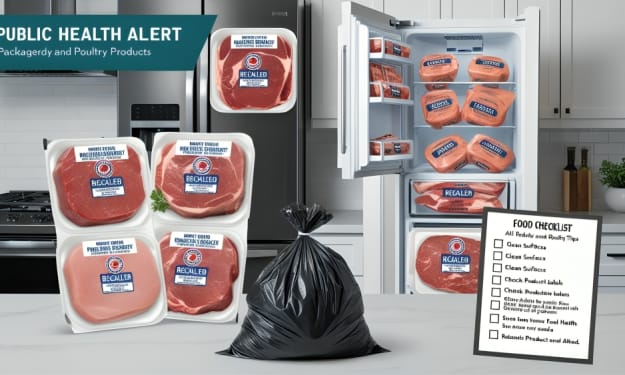
3. Recalls: When contamination is detected, products are recalled to prevent further illnesses.
Steps to Protect Your Family from Dairy-Related Illnesses
1. Always Choose Pasteurized Milk
Look for pasteurized labels on dairy products.
Avoid purchasing milk from unregulated sources.
2. Stay Informed About Recalls
Subscription to public health alerts to keep abreast of recalls.
Checking local health department websites for outbreaks
3. Storage and Handling
Refrigerate milk immediately after its purchase.
Expired milk must be discarded.
4. Hygiene in the Kitchen
Wash hands before and after handling dairy products.
Use clean utensils and containers for milk storage.
5. Educate Children on Food Safety
Teach kids the importance of not consuming unregulated or questionable food items.
Recognizing Symptoms of Dairy-Related Illnesses
If you suspect exposure to contaminated dairy, watch for the following symptoms:
Gastrointestinal Symptoms: Diarrhoea, abdominal cramps, and nausea.
Fever: Common symptom of bacterial infection.
Fatigue/Weakness: Typical signs of systemic infections.
Neurological Symptoms: Severe infections, such as Listeria, can cause confusion, stiff neck, and seizures.
Contact a physician right away if symptoms are severe or more persistent.
Why Farm-to-Table Transparency Matters
Farm-to-table programs focus on transparency in the process of food production as a way of empowering consumers to make informed decisions. For safe dairy consumption:
Promote farms that take animal welfare and hygiene seriously.
Advocate for local dairies to adopt pasteurization, plus strong safety controls.
Ensure the products are labelled more clearly between raw and pasteurized.
1. Myth: "Raw milk is more nutritious."
Fact: Pasteurization has little impact on the nutrient content of milk but kills off .
pathogens that can cause harm.
2. Myth: "Raw milk increases immunity."
Fact: There is no scientific evidence to support this claim. Raw milk, on the other hand,
can pose a threat to health due to contamination.
3. Myth: "Raw milk tastes better."
Fact: Taste is subjective, and safety should always be prioritize over flavour.
The Need for Public Awareness and Education
To combat the risks associated with raw milk and avian flu:
Public Health Campaigns: Governments and health organizations should launch campaigns to educate people about the dangers of raw milk.
School Programs: Establishing food safety education in schools in stills lifelong habits.
Media Involvement: Stories of raw milk-related illnesses, like the one involving the young boy, make for powerful cautionary tales.
Conclusion: Prioritizing Health and Safety
The danger of the consumption of raw milk far outweighs any benefits derived from the consumption. Exposure to harmful bacteria and viruses such as avian flu poses a grave public health threat, particularly to susceptible populations. Families can better shield themselves from those dangers by choosing pasteurized dairy products, practicing good hygiene, and learning more about this issue.
Let's put safety above trends and make informed choices when we are consuming the food. Together, we can minimize these dangers related to raw milk and build a healthier future for all of us.
About the Creator
Digital marketing in 2026:its role in job creation and entrepreneurship
Introduction In 2026, digital marketing is no longer optional it has become the engine that drives business growth, entrepreneurship, and job creation. Companies, startups, and independent entrepreneurs rely heavily on online marketing to reach customers, scale operations, and compete globally.
By UWAYEZU Sylvioabout 15 hours ago in Education
Could the Universe Be a Simulation? Exploring the Science and Philosophy Behind the Simulation Hypothesis
What Is the Simulation Hypothesis? The simulation hypothesis proposes that reality as we experience it is an artificial simulation, similar in principle to a highly advanced virtual reality. According to this idea, an advanced civilization — possibly in another universe — could possess computational power vast enough to simulate entire worlds populated with conscious beings.
By shahkar jalal7 days ago in Education


Comments
There are no comments for this story
Be the first to respond and start the conversation.