
The Healthy Heart Diet: Top Foods to Boost Heart Health Naturally
Discover the Best Heart-Healthy Foods to Lower Cholesterol, Reduce Blood Pressure, and Support Cardiovascular Wellness

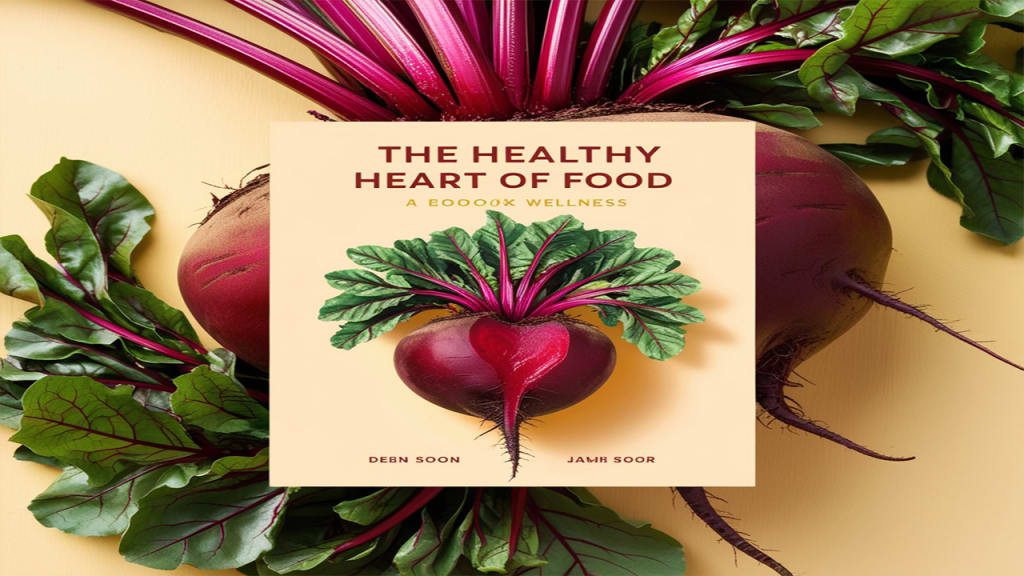
The Healthy Heart of Foods
Table of Contents
1. Introduction
Understanding Heart Health
The Role of Diet in Heart Health
How to Use This Book
2. Essential Nutrients for a Healthy Heart
Fiber
Omega-3 Fatty Acids
Antioxidants
Potassium
Magnesium
3. Top Heart-Healthy Foods
1. Fruits
Berries
Apples
Citrus Fruits
2. Vegetables
Leafy Greens
Tomatoes
Broccoli
3. Whole Grains
Oats
Brown Rice
Quinoa
4. Healthy Fats
Avocado
Olive Oil
Nuts
5. Lean Proteins
Fish
Poultry
Legumes
6. Dairy Alternatives
Almond Milk
Greek Yogurt
Tofu
7. Herbs and Spices
Garlic
Turmeric
Ginger
8. Beverages
Green Tea
Red Wine (in moderation)
Water
4. Creating a Heart-Healthy Diet
Meal Planning Tips
Heart-Healthy Cooking Techniques
Sample Meal Plan
5. Lifestyle Tips for a Healthy Heart
Exercise and Physical Activity
Stress Management
Sleep and Heart Health
6. Conclusion
The Long-Term Benefits of a Heart-Healthy Diet
Final Tips for a Healthy Heart
Introduction
Understanding Heart Health
Heart disease is one of the leading causes of death worldwide, but it’s also one of the most preventable. Your diet plays a crucial role in maintaining heart health. By choosing the right foods, you can lower your risk of heart disease, manage your cholesterol levels, and improve overall cardiovascular function.
The Role of Diet in Heart Health
A heart-healthy diet is rich in nutrients that support cardiovascular function, such as fiber, omega-3 fatty acids, antioxidants, potassium, and magnesium. These nutrients help reduce inflammation, lower blood pressure, and manage cholesterol levels. Conversely, diets high in saturated fats, trans fats, and sodium can increase the risk of heart disease.
How to Use This Book
This book is designed to provide you with practical information on how to incorporate heart-healthy foods into your daily diet. You’ll learn about the essential nutrients for heart health, discover the top heart-healthy foods, and find tips on creating a balanced diet that supports cardiovascular wellness. Additionally, you’ll explore lifestyle habits that complement a heart-healthy diet, such as exercise, stress management, and proper sleep.
Essential Nutrients for a Healthy Heart
Fiber
Dietary fiber, particularly soluble fiber, is essential for heart health. It helps lower cholesterol levels by binding to cholesterol in the digestive system and removing it from the body. Foods rich in fiber include fruits, vegetables, whole grains, and legumes.
Omega-3 Fatty Acids
Omega-3 fatty acids are polyunsaturated fats that reduce inflammation, lower triglyceride levels, and improve overall heart function. Fatty fish like salmon, mackerel, and sardines are excellent sources of omega-3s. Plant-based sources include flaxseeds, chia seeds, and walnuts.
Antioxidants
Antioxidants protect the heart by neutralizing free radicals, which can cause oxidative stress and damage to the cardiovascular system. Berries, citrus fruits, dark chocolate, and green tea are all rich in antioxidants.
Potassium
Potassium helps regulate blood pressure by balancing sodium levels in the body. It also supports heart muscle function. Bananas, avocados, sweet potatoes, and spinach are all good sources of potassium.
Magnesium
Magnesium is important for maintaining a steady heartbeat and reducing blood pressure. It also helps relax blood vessels, which can prevent heart attacks and strokes. Foods rich in magnesium include leafy greens, nuts, seeds, and whole grains.
Top Heart-Healthy Foods
1. Fruits
Berries
Berries, such as blueberries, strawberries, and raspberries, are packed with antioxidants, fiber, and vitamins. They help reduce inflammation, lower blood pressure, and improve cholesterol levels. Enjoy berries in smoothies, on top of yogurt, or as a snack.
Apples
Apples are rich in fiber and polyphenols, which have been shown to lower LDL (bad) cholesterol and reduce the risk of heart disease. Eating an apple a day can truly help keep the doctor away.
Citrus Fruits
Citrus fruits like oranges, grapefruits, and lemons are high in vitamin C and flavonoids, which can improve heart health by reducing cholesterol levels and preventing blood clots. Incorporate citrus fruits into your diet by drinking fresh juice, adding slices to salads, or simply eating them whole.
2. Vegetables
Leafy Greens
Leafy greens like spinach, kale, and Swiss chard are excellent sources of vitamins, minerals, and antioxidants that support heart health. They are rich in nitrates, which help lower blood pressure and improve blood flow. Add leafy greens to salads, smoothies, or sauté them as a side dish.
Tomatoes
Tomatoes are high in lycopene, a powerful antioxidant that helps lower the risk of heart disease by reducing inflammation and improving lipid profiles. Enjoy tomatoes in salads, sauces, or roasted as a side dish.
Broccoli
Broccoli is a cruciferous vegetable rich in fiber, vitamins, and antioxidants. It helps lower cholesterol levels and supports overall cardiovascular health. Steam, roast, or stir-fry broccoli as a nutritious side dish.
3. Whole Grains
Oats
Oats are a whole grain rich in soluble fiber, which helps lower LDL cholesterol and reduce the risk of heart disease. Start your day with a bowl of oatmeal or use oats in baking for a heart-healthy boost.
Brown Rice
Brown rice is a whole grain that retains its nutrient-rich bran and germ layers, making it a better option than white rice. It’s high in fiber, magnesium, and selenium, which support heart health, digestion, and weight management. Brown rice can be used in a variety of dishes, from stir-fries to grain bowls.
Quinoa
Quinoa is a complete protein and a great source of fiber and magnesium. It helps regulate cholesterol levels and supports heart health. Use quinoa as a base for salads, in place of rice, or as a side dish.
4. Healthy Fats
Avocado
Avocado is rich in monounsaturated fats, which are beneficial for heart health. It also contains potassium, fiber, and various vitamins. Avocado can be enjoyed on toast, in salads, or as guacamole.
Olive Oil
Olive oil, especially extra virgin olive oil, is a staple in the Mediterranean diet and is known for its heart-healthy benefits. It’s rich in monounsaturated fats and antioxidants. Olive oil is ideal for cooking, dressing salads, or drizzling over vegetables.
Nuts
Nuts, such as almonds, walnuts, and pistachios, are excellent sources of healthy fats, fiber, and protein. They help lower cholesterol levels and reduce the risk of heart disease. Enjoy a handful of nuts as a snack or add them to salads and oatmeal.
5. Lean Proteins
Fish
Fatty fish like salmon, mackerel, and sardines are rich in omega-3 fatty acids, which reduce inflammation and improve heart health. Aim to include fish in your diet at least twice a week.
Poultry
Skinless poultry, such as chicken and turkey, is a good source of lean protein. It’s lower in saturated fat than red meat, making it a heart-healthy option. Grill, bake, or stir-fry poultry for a nutritious meal.
Legumes
Legumes, such as beans, lentils, and chickpeas, are high in fiber and protein. They help lower cholesterol levels and maintain stable blood sugar levels. Incorporate legumes into soups, stews, and salads.
6. Dairy Alternatives
Almond Milk
Almond milk is a heart-healthy alternative to cow’s milk, as it’s lower in saturated fat and calories. Choose unsweetened varieties to avoid added sugars. Use almond milk in smoothies, cereals, or coffee.
Greek Yogurt
Greek yogurt is a good source of protein and probiotics, which support heart health by improving cholesterol levels and gut health. Choose low-fat or non-fat options, and avoid varieties with added sugars.
Tofu
Tofu is a plant-based protein rich in calcium and iron. It’s low in saturated fat and cholesterol-free, making it a heart-healthy alternative to meat. Use tofu in stir-fries, salads, or as a meat substitute in various dishes.
7. Herbs and Spices
Garlic
Garlic has been used for centuries for its medicinal properties. It helps lower blood pressure, reduce cholesterol levels, and prevent heart disease. Add fresh garlic to your cooking for a flavorful and heart-healthy boost.
Turmeric
Turmeric contains curcumin, a powerful anti-inflammatory compound that supports heart health. Use turmeric in cooking or as a supplement to help reduce the risk of heart disease.
Ginger
Ginger is another anti-inflammatory spice that can improve heart health. It helps lower blood pressure and cholesterol levels. Use ginger in teas, smoothies, or cooking for a zesty flavor and health benefits.
About the Creator
Md Obydur Rahman
Md Obydur Rahman is a passionate Story and Content Writer, known for crafting engaging narratives that resonate with readers. He skillfully weaves emotion and realism, bringing characters and stories to life.
Keep reading
More stories from Md Obydur Rahman and writers in Education and other communities.
EdTech for Early Childhood Market to hit USD 55.6 Bn By 2034
EdTech for Early Childhood Market Overview The EdTech for Early Childhood Market was valued at USD 13.4 billion in 2024 and is projected to reach approximately USD 55.6 billion by 2034, expanding at a CAGR of 15.30% from 2025 to 2034. The increasing integration of digital learning tools into early childhood education is supporting this expansion. Educational technology platforms designed for young learners are helping educators deliver interactive learning experiences through digital content, educational games, and adaptive learning applications that support cognitive and language development.
By Roberto Crumabout 7 hours ago in Education
TANF Benefits 2026: What It Is, TANF Income Limits, Eligibility, Payments & How to Apply
Many low-income families struggle to cover rent, groceries, diapers, and utility bills each month. When money is tight, Temporary Assistance for Needy Families (TANF) can provide direct cash help to get back on your feet.
By Free Laptops From Governmentabout 3 hours ago in Education




Comments
There are no comments for this story
Be the first to respond and start the conversation.