
The Great Gatsby
By Francis Scott Fitzgerald Review

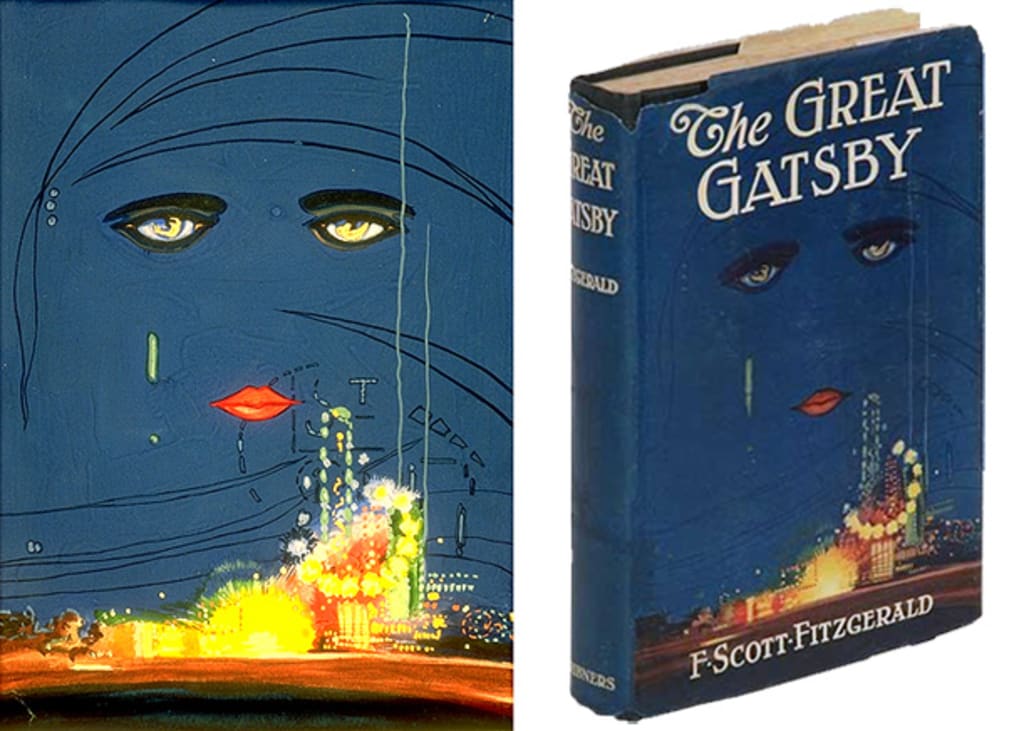
On September 24, 1896 in St. Paul, Minnesota a boy was born who was named as Francis Scott Fitzgerald. Francis Scott Fitzgerald is well known for "The Great Gatsby," which was published in 1925, is considered one of the greatest American novels of all time and has been adapted into numerous films, stage productions, and television shows. The Great Gatsby is a classic piece of American literature that tells the tale of the lavish and decadent lifestyle of the wealthy elite during the Roaring Twenties. Set in New York, the novel follows the story of the mysterious and enigmatic Jay Gatsby, a self-made millionaire who throws lavish parties in an attempt to win back his former love, Daisy Buchanan.
The Great Gatsby was not a commercial success when it was first published, but it has since become one of the most popular and enduring works of American literature. The book was inspired by Fitzgerald's own experiences in the United States during the Roaring Twenties, a time of economic prosperity and cultural upheaval.
The novel opens with the narrator, Nick Carraway, a young man from the Midwest who has recently moved to West Egg to work as a bond salesman. Nick becomes drawn into the world of the wealthy elite, including his neighbor Gatsby, and becomes caught up in the intrigues and dramas of their lives.
As the novel progresses, Nick becomes increasingly involved in the lives of Gatsby and Daisy, and eventually learns the truth about Gatsby's past. Gatsby, it turns out, is a self-made millionaire who has worked his way up from humble beginnings to attain wealth and success. However, his obsession with Daisy ultimately leads to his downfall, as he becomes embroiled in a web of deceit and corruption.
The Great Gatsby can be seen as a work of social realism in that it portrays the lives and struggles of the wealthy elite in the United States during the Roaring Twenties, a time of economic prosperity and cultural upheaval. The novel exposes the corrupting influence of wealth and power, and the decline of the American Dream.
The genre of social realism refers to literature that portrays the lives and struggles of ordinary people in a realistic and accurate manner. It often focuses on social and economic issues, and aims to expose and critique the injustices and inequalities of society.
In addition to its social realist elements, "The Great Gatsby" also incorporates elements of other genres, such as romance, tragedy, and satire. The novel's themes of love, greed, and the decline of the American Dream have made it a timeless and enduring work of literature.
Some other books that are similar in genre to "The Great Gatsby" include:
"The Sun Also Rises" by Ernest Hemingway: Like "The Great Gatsby," "The Sun Also Rises" is a novel of social realism that portrays the lives and struggles of a group of wealthy and privileged young people in the aftermath of World War I. It explores themes of love, loss, and the search for meaning in a world that has been shattered by war.
"The Grapes of Wrath" by John Steinbeck: This novel tells the story of the Joad family, who are driven from their home in the Dust Bowl during the Great Depression and embark on a journey to California in search of a better life. Like "The Great Gatsby," "The Grapes of Wrath" is a work of social realism that exposes the injustices and inequalities of society.
"The House of Mirth" by Edith Wharton: This novel tells the story of Lily Bart, a young woman from New York's upper class who is caught in a society that values wealth and status above all else. Like "The Great Gatsby," "The House of Mirth" is a tale of social and financial ambition, and explores the corrupting influence of money and power.
"The Death of Artemio Cruz" by Carlos Fuentes: This novel tells the story of Artemio Cruz, a wealthy and powerful Mexican businessman who looks back on his life as he lies on his deathbed. Like "The Great Gatsby," "The Death of Artemio Cruz" is a work of social realism that explores the corrupting influence of wealth and power, and the decline of the American Dream.
To end up with a conclusion about "The Great Gatsby." I would highly recommend reading "The Great Gatsby." It is a classic of American literature that has stood the test of time and continues to be widely read and studied. The novel's themes of love, greed, and the decline of the American Dream are timeless and universal, and its portrayal of the glamour and excess of the Roaring Twenties is still relevant today.
One of the things that makes "The Great Gatsby" such a great novel is Fitzgerald's writing style. He was a master of creating vivid and memorable characters, and his use of symbolism and imagery is superb. The novel's main character, Jay Gatsby, is one of the most iconic and enduring characters in American literature, and his mysterious and tragic story is sure to captivate readers.
Overall, "The Great Gatsby" is a compelling and thought-provoking novel that is well worth reading. Whether you are a fan of literature or just looking for a good story, you will not be disappointed by this classic work.
You can buy The Great Gatsby book now with my Amazon Affiliate link.
About the Creator
CatPawProject.com
CatPawProject is a lifestyle website that aims to inspire and empower readers to live their best lives. Founded by a team of passionate writers. We cover the niches of self-care, wellness, relationships, and personal growth.
Keep reading
More stories from writers in Education and other communities.
The Rise of Online Learning in Education
Online learning has become a fundamental part of education. Many institutions now view it as essential: one report notes that 65% of colleges consider online programs critical to their strategic plans. This shift is driven by both technological advances and changing learner needs. Surveys confirm strong student demand for digital options – for example, a study found that 95% of undergraduates wanted at least one online course per semester. In other words, schools are expanding online offerings because doing so improves access and meets modern expectations, all while maintaining high-quality instruction.
By Kashif Khan5 days ago in Education




Comments
There are no comments for this story
Be the first to respond and start the conversation.