
The Future of Work: Emerging HR Strategies in the Age of Automation and AI
Adapting HR Strategies for a Technologically Advanced Workforce

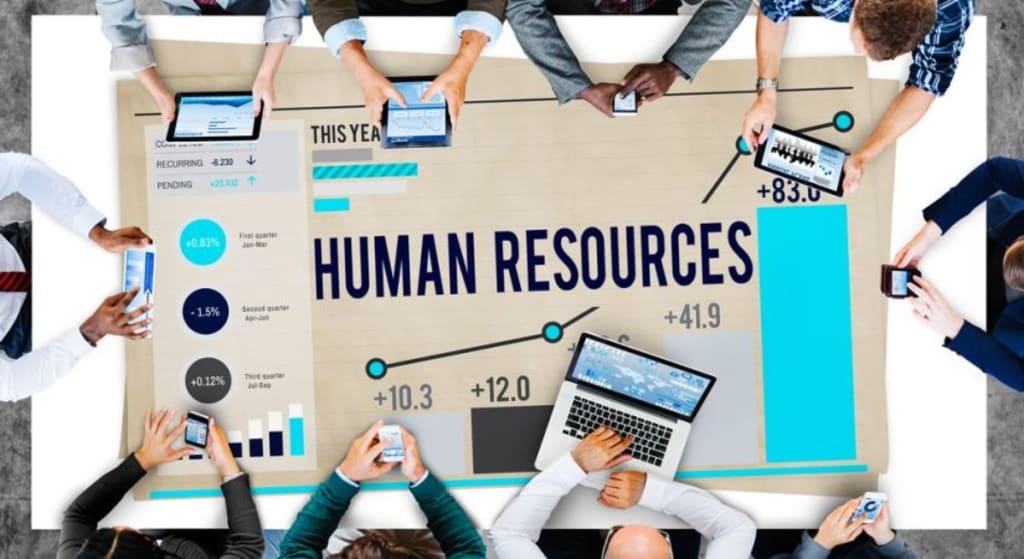
Automation and artificial intelligence (AI) are rapidly transforming the workplace. As these technologies continue to evolve, they are reshaping job roles, workflows, and even entire industries. For HR professionals, adapting to these changes is crucial. Understanding and implementing emerging HR strategies can help organizations not only survive but thrive in this new era.
The Rise of Automation and AI in the Workplace
Automation and AI refer to technologies that perform tasks that typically require human intelligence. From simple algorithms sorting emails to complex systems driving cars, these technologies have come a long way. Historically, automation started with mechanizing simple tasks, but recent advancements have seen AI tackling more complex roles, making its presence felt across various sectors.
Impact on Job Roles and Employment
One of the most significant impacts of automation and AI is on job roles and employment. While some fear job displacement, the reality is more nuanced. Automation and AI can create new jobs while eliminating redundant ones. For instance, routine administrative tasks may be automated, but new roles in AI system management and data analysis are emerging. The key is to shift focus towards developing skills that complement these technologies.
Reskilling and Upskilling Initiatives
With the advent of automation and AI, continuous learning has become imperative. Reskilling and upskilling are critical strategies for preparing the workforce for future demands. Companies like AT&T and Amazon have launched extensive reskilling programs, offering employees opportunities to learn new skills relevant to the evolving job market. Investing in such initiatives not only helps employees stay relevant but also enhances organizational adaptability.
Redefining Employee Engagement
AI is revolutionizing how companies engage with their employees. Tools like chatbots and AI-driven feedback systems provide real-time insights into employee sentiments and engagement levels. These technologies allow for personalized communication and support, fostering a more connected and motivated workforce. Companies that leverage these tools effectively can create a more engaging and responsive work environment.
Data-Driven Decision Making in HR
Data analytics is becoming a cornerstone of modern HR strategies. By analyzing vast amounts of data, HR professionals can make more informed decisions regarding recruitment, retention, and employee development. Data-driven HR practices lead to better workforce planning, improved performance management, and more effective talent acquisition. The benefits are clear: increased efficiency, reduced bias, and enhanced strategic alignment.
Dive into a selection of HR dissertation topics focused on the integration of AI and automation in the workplace. Uncover how these technologies are reshaping HR functions and employee management.
AI-Driven Recruitment and Talent Acquisition
AI tools are transforming recruitment and talent acquisition processes. From resume screening to predictive analytics for candidate success, AI can streamline hiring and improve outcomes. Moreover, AI can enhance diversity and inclusion by minimizing human biases in the recruitment process. Companies using AI for talent acquisition can access a broader, more diverse talent pool and make more objective hiring decisions.
Performance Management in the Age of AI
Performance management is another area where AI is making significant strides. AI-powered tools can provide continuous feedback, track performance metrics, and even predict future performance trends. This shift towards data-driven performance evaluation helps managers focus on skill development and outcomes rather than traditional appraisal methods. As a result, employees receive more relevant and timely feedback, fostering growth and development.
Remote Work and Flexible Work Arrangements
The COVID-19 pandemic accelerated the adoption of remote work, and AI plays a crucial role in managing this shift. AI-driven tools facilitate communication, collaboration, and productivity for remote teams. They help monitor performance, track progress, and ensure that remote employees remain engaged. Flexible work arrangements, supported by AI, offer numerous benefits, including increased job satisfaction and better work-life balance.
Employee Well-being and AI
Employee well-being is paramount in the modern workplace, and AI can play a supportive role. AI tools can monitor stress levels, track wellness metrics, and provide personalized recommendations for maintaining well-being. However, it's essential to balance technology with a human touch to ensure genuine care and support for employees. AI should augment, not replace, human interactions in promoting well-being.
Ethical Considerations and Challenges
The integration of AI in HR brings ethical considerations to the forefront. Issues such as data privacy, consent, and algorithmic bias must be addressed. HR professionals must ensure that AI systems are transparent, fair, and unbiased. This involves regular audits and updates to AI algorithms to mitigate biases and ensure ethical use of technology in HR practices.
The Future of Leadership in an AI-Driven World
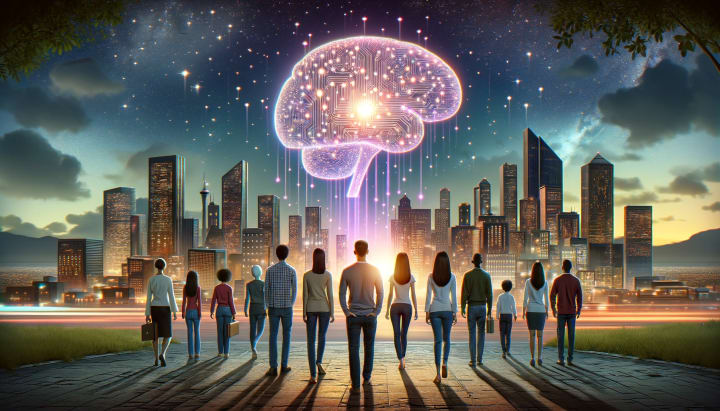
Leadership in the age of AI requires a new set of skills. Leaders must be tech-savvy, adaptable, and capable of managing both human and machine resources. They must foster a culture of continuous learning and innovation while being empathetic and people-centric. Adapting leadership styles to suit a digital workforce is crucial for navigating the complexities of an AI-driven world.
Building a Culture of Innovation
Encouraging innovation is vital for staying competitive in the age of AI. HR can play a pivotal role by fostering a culture that supports creativity and experimentation. Companies like Google and Apple are known for their innovative cultures, which are driven by HR practices that encourage risk-taking and collaboration. Building such a culture involves providing employees with the tools, resources, and freedom to innovate.
Preparing for the Future: Strategic HR Planning
Strategic HR planning is essential for successfully integrating AI into the workplace. This involves creating a roadmap that outlines long-term goals, necessary skills, and implementation strategies for AI technologies. By aligning HR strategies with overall business objectives, companies can ensure a smooth transition into the future of work, maximizing the benefits of AI while minimizing potential disruptions.
Conclusion
The future of work, shaped by automation and AI, presents both challenges and opportunities for HR professionals. By embracing emerging strategies such as reskilling, data-driven decision-making, and AI-powered tools, HR can play a pivotal role in navigating this transformation. As we move forward, the key will be to balance technological advancements with a human-centric approach, ensuring that the workforce remains engaged, skilled, and motivated.
FAQs
How will AI change the role of HR professionals?
AI will augment HR professionals' roles by automating routine tasks, providing data-driven insights, and enhancing decision-making processes. This allows HR to focus more on strategic initiatives and employee engagement.
What skills will be in demand in the future workplace?
Skills in demand will include digital literacy, data analysis, AI and machine learning, critical thinking, and soft skills like emotional intelligence and adaptability.
How can companies ensure ethical use of AI in HR?
Companies can ensure ethical AI use by implementing transparent algorithms, conducting regular audits for biases, obtaining informed consent from employees, and adhering to data privacy regulations.
What are the best practices for reskilling employees?
Best practices include identifying future skill requirements, offering tailored training programs, leveraging online learning platforms, and encouraging a culture of continuous learning.
How can AI improve employee engagement?
AI can improve engagement by providing personalized communication, real-time feedback, and data-driven insights into employee sentiments. AI tools can also facilitate better work-life balance and remote work management.
About the Creator
thomas smith
Hello, I am Jessica Tyler, an experienced academic writer. If you are currently facing challenges with your MATLAB Assignment Help, worry not – I am here to assist you. I offer personalized Assignment Help services.
Keep reading
More stories from thomas smith and writers in Education and other communities.
Improve Your Coding Skills with JavaScript Assignment Help
In today's digital age, coding skills have become a vital asset. Among the various programming languages, JavaScript stands out due to its versatility and power in web development. Whether you're aiming to build dynamic websites, create interactive user interfaces, or enhance your backend systems, JavaScript is the tool to master. But learning JavaScript can be challenging, and that's where JavaScript assignment help comes into play. This article will explore how you can improve your coding skills with the right JavaScript assignment help.
By thomas smith2 years ago in Education
What causes cavities
When a team of archaeologists recently came across some 15,000-year-old human remains, they made an interesting discovery. The teeth of those ancient humans were riddled with holes. Their cavities were caused by the same thing that still plagues us today: specific tiny microbes that live in our mouths.
By Munesh Yadava day ago in Education


Comments (1)
Hey, just wanna let you know that this is more suitable to be posted in the 01 community 😊