
The Future of Renewable Energy in 2025: Innovations Powering a Greener Planet
Exploring How Technology is Driving the Shift Toward Sustainable Energy Solutions

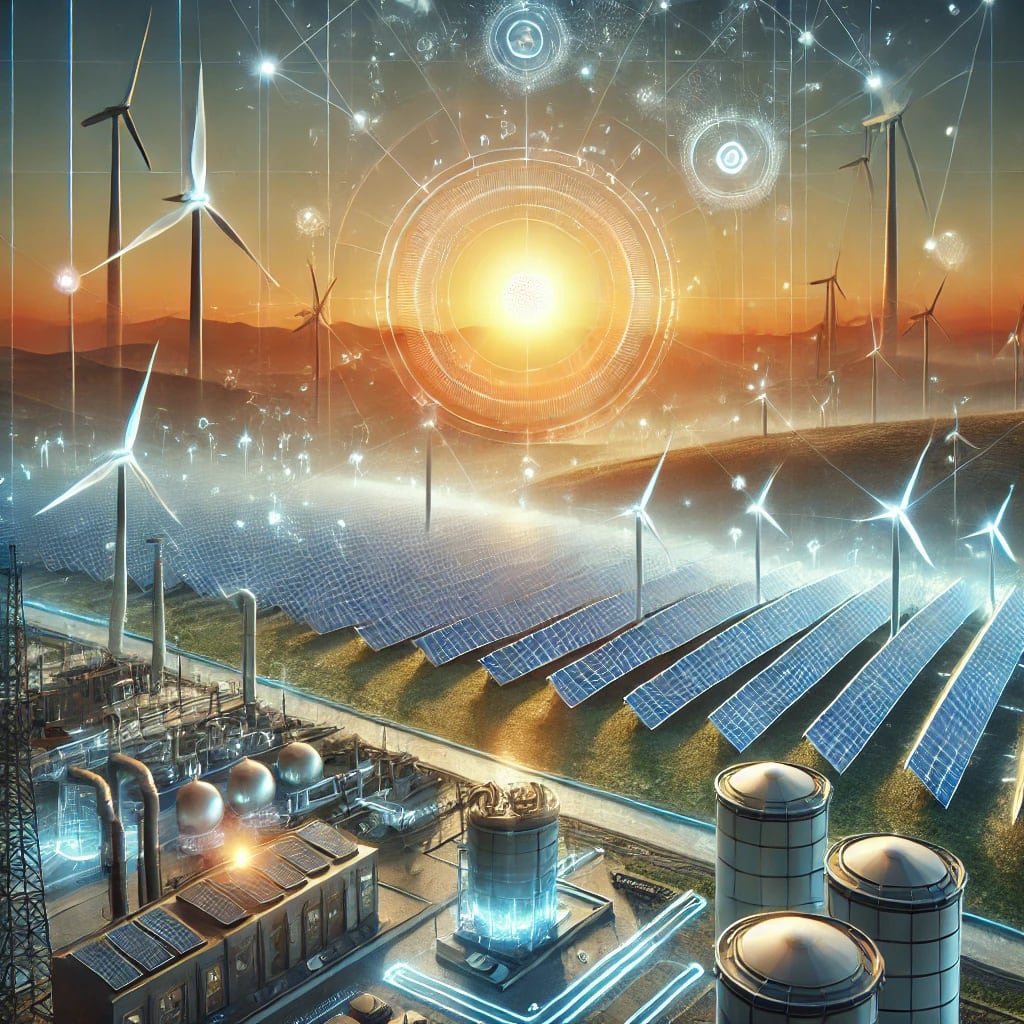
As the world grapples with the growing threats of climate change, the transition to renewable energy sources has never been more critical. By 2025, the renewable energy sector is poised to experience significant advancements, with innovations in technology, policy, and infrastructure driving the global shift towards cleaner, sustainable energy solutions. The key to this transformation lies in harnessing natural resources like solar, wind, hydro, geothermal, and biomass to meet the world’s increasing energy demands while reducing greenhouse gas emissions. Here's a look at some of the most exciting trends and innovations shaping the future of renewable energy.
1. Advancements in Solar Power Technology
Solar energy has seen remarkable progress over the past decade, and by 2025, we can expect even more breakthroughs. One of the most promising innovations in solar technology is the development of perovskite solar cells. These next-generation cells are not only cheaper to produce but also more efficient than traditional silicon-based solar panels. Perovskite solar cells are expected to revolutionize the solar industry, enabling cheaper and more accessible solar power for consumers worldwide.
Additionally, solar energy storage systems are becoming more efficient, addressing one of the major challenges of solar power: intermittency. Advances in battery technology, such as solid-state batteries, will allow for more efficient storage of solar energy, ensuring that power can be accessed even when the sun isn't shining. With these improvements, solar power is set to become a more reliable and widespread energy solution.
2. Wind Power: Bigger and Better
Wind power is another area of renewable energy that has witnessed tremendous growth in recent years. By 2025, we are likely to see even larger and more efficient wind turbines. Offshore wind farms, in particular, are becoming a key player in global energy production. These turbines, located far from shore, are able to capture stronger and more consistent winds, making them more efficient than their onshore counterparts.
One of the major innovations in wind technology is the development of floating wind turbines. These turbines are positioned on floating platforms, allowing them to be placed in deeper waters where traditional fixed turbines cannot operate. Floating wind farms could unlock vast areas of the ocean for wind energy production, significantly expanding the potential for offshore wind power.
3. Hydropower: Small-Scale Revolution
While large hydropower dams have been a staple of renewable energy for decades, the future of hydropower lies in small-scale and run-of-river projects. These systems harness the energy of flowing water without the need for massive reservoirs or dams, making them less disruptive to the environment and local communities. By 2025, advancements in turbine technology and hydropower efficiency will enable these smaller-scale projects to provide reliable and sustainable energy to remote areas.
In addition, pumped-storage hydropower is gaining traction as a form of energy storage. This system works by pumping water to a higher elevation during periods of low energy demand and releasing it to generate power during peak demand. The ability to store energy in this way will be crucial in balancing supply and demand as renewable energy sources like wind and solar become more prevalent.
4. Geothermal Energy: Tapping the Earth's Heat
Geothermal energy, which harnesses the heat from the Earth’s core, has long been a reliable source of power in certain regions. By 2025, we can expect enhanced geothermal systems (EGS) to unlock geothermal energy in areas previously thought unsuitable. EGS technology allows for the creation of artificial geothermal reservoirs, making it possible to generate power in regions without natural geothermal activity.
Additionally, geothermal heat pumps are becoming more efficient and affordable for residential and commercial use. These systems use the constant temperature of the Earth to heat and cool buildings, offering a sustainable and energy-efficient alternative to traditional heating and cooling methods.
5. Biomass and Biofuels: A Sustainable Source of Energy
Biomass and biofuels continue to be a vital component of the renewable energy landscape, especially in sectors like transportation and heavy industry. By 2025, advanced biofuels made from algae, agricultural waste, and other non-food sources will become more cost-effective and scalable. These biofuels offer a cleaner alternative to traditional fossil fuels, reducing carbon emissions and reliance on petroleum-based products.
In addition, the development of biogas plants that convert organic waste into methane gas will help address waste management issues while producing renewable energy. These plants have the potential to power entire communities, turning waste into a valuable resource.
6. Smart Grids and Digital Technologies
The integration of renewable energy into the global grid will require significant upgrades to infrastructure. Smart grids, which use digital technologies to monitor and manage energy distribution, will play a crucial role in ensuring the efficient and reliable delivery of renewable energy. Smart grids will enable real-time monitoring of energy demand and supply, allowing for better integration of intermittent renewable sources like solar and wind.
Artificial intelligence (AI) and machine learning will also play a key role in optimizing energy production and consumption. AI can predict energy demand patterns, optimize energy storage, and even help in the maintenance of renewable energy systems, ensuring they operate at peak efficiency.
7. Policy and Global Cooperation
Innovation in renewable energy will be driven not only by technological advancements but also by supportive policies and international cooperation. Governments around the world are increasingly setting ambitious goals for carbon reduction and investing in clean energy infrastructure. By 2025, we can expect more countries to implement carbon pricing and subsidies for renewable energy projects, making clean energy more accessible and affordable.
Conclusion
The future of renewable energy in 2025 is bright and full of promise. With innovations in solar, wind, geothermal, hydropower, and biomass technologies, the world is on track to transition to a cleaner, greener energy landscape. These advancements, coupled with supportive policies and smarter grids, will help reduce our dependence on fossil fuels, mitigate climate change, and create a sustainable future for generations to come. As we move forward, the key to success will be continued investment in innovation, collaboration, and the pursuit of a carbon-free world.
About the Creator
Kamal Pun
"A storyteller at heart, I write about anything that sparks curiosity—from personal growth to everyday experiences. My words aim to entertain, inspire, and provoke thought. Dive in and explore the many facets of life through my lens!"
Rewiring Wellness: How Neuroscience Is Redefining the Mind-Body Connection in Therapy
In recent years, neuroscience has reshaped the understanding of how emotional and physical processes interact, offering therapists new insight into healing. The mind-body connection, once viewed as more philosophical than scientific, now has clear biological explanations. Studies show that thoughts, emotions, and physical sensations are deeply intertwined, influencing everything from stress responses to overall wellbeing. This knowledge is transforming modern therapeutic practices by providing clinicians with evidence-based tools that support integrated healing.
By Debra Bailey PHDabout 11 hours ago in Education
Was Alexander the great really that great?
Order, order! Who do we have on the stand today? Alexander... the Great, eh? Well, what’s so great about him? Your honor, the better question is, what's not great about him? He was the King of Macedon and considered a living demigod by Egyptians and Greeks alike. He conquered Persia when it was one of Earth's largest empires. And he was a thoughtful student of Aristotle, creative enough to untie the impossibly tight Gordian knot by cutting it in half. The Gordian knot is a myth— just like the countless other stories invented to enhance Alexander’s legend!
By Munesh Yadavabout 3 hours ago in Education



Comments
There are no comments for this story
Be the first to respond and start the conversation.