

With the COVID-19 pandemic pushing more and more people to work from home, remote work has become a trending topic around the world. While remote work has its benefits, there are also potential drawbacks and challenges that companies and employees must face. In this blog, we will explore the future of remote work, including its potential benefits, challenges, and how companies and employees can overcome these challenges.
The Benefits of Remote Work

Remote work offers a wide range of benefits for both employees and employers. For employees, remote work can provide greater flexibility, work-life balance, and a reduction in commuting time and costs. Remote work also allows employees to work from anywhere, which can be especially beneficial for those with caregiving responsibilities or those who live in remote areas. Additionally, remote work can reduce stress levels and improve job satisfaction, as employees are able to work in a more comfortable and familiar environment.
For employers, remote work can increase productivity, as employees are often more focused and efficient when working from home. Remote work also allows companies to hire the best talent from around the world, as geography is no longer a limiting factor. Additionally, remote work can reduce overhead costs, such as office rent and utility bills.
The Challenges of Remote Work
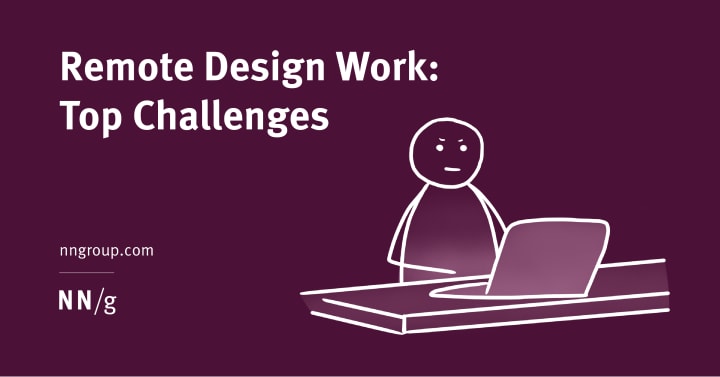
While remote work has its benefits, it also comes with its own set of challenges. For employees, remote work can lead to feelings of isolation and disconnection from the company culture. Remote workers may also struggle to separate their work life from their personal life, leading to burnout and decreased productivity. Additionally, remote work can make it difficult for employees to access the resources and support they need to do their job effectively.
For employers, managing remote teams can be a challenge, as it requires a different set of skills and tools than managing in-person teams. Employers may also struggle to maintain company culture and ensure that remote workers feel connected to the company mission and values. Finally, remote work can make it difficult to build relationships and collaborate effectively, which can impact team productivity and innovation.
The Rise of Remote Work
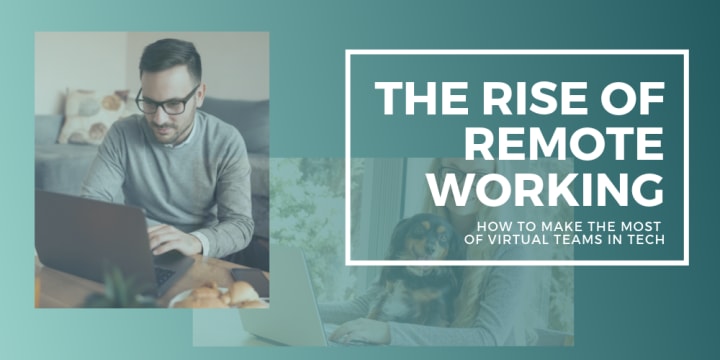
The first picture shows the rise of remote work over the past decade. According to a study by FlexJobs, remote work has grown by 91% in the past decade. This growth is due to a variety of factors, including advancements in technology, the desire for work-life balance, and the need to reduce commuting time and costs.
The Future of Remote Work

Despite the challenges of remote work, many experts predict that it will become a more common and accepted way of working in the future. In fact, a recent study found that 80% of employees want to work from home at least some of the time, and 62% of companies plan to have remote workers in the future. As remote work becomes more common, companies and employees will need to adapt and find new ways to overcome the challenges it presents.
One way companies can overcome the challenges of remote work is by investing in technology and tools that make remote collaboration and communication easier. This may include video conferencing software, project management tools, and cloud-based document sharing platforms. Additionally, companies can prioritize building a strong company culture that includes remote workers, through regular communication, team building activities, and recognition programs.
For employees, it is important to establish clear boundaries between work and personal life, such as setting dedicated work hours and creating a separate workspace. Employees should also prioritize regular communication with their managers and colleagues, to ensure they have the resources and support they need to be successful in their job.
Conclusion

Remote work has become a trending topic in the wake of the COVID-19 pandemic, and its future looks promising. While remote work comes with its own set of challenges, it also offers a wide range of benefits for both employees and employers. As companies and employees adapt to the future of work, they will need to find new ways to collaborate and communicate effectively, and build strong relationships and company culture. With the right tools and mindset, remote work can provide a more flexible, efficient, and satisfying way of working for everyone involved.
About the Creator
Syed
Hi! My name is Syed, and I'm a professional blog writer. With a passion, I have authored numerous articles, blog posts, and other pieces that provide valuable insights into interesting and trending topics.
Keep reading
More stories from writers in Education and other communities.
How Toys Shape Young Minds and Inspire Lifelong Learning
Toys aid in development by providing children with the opportunity for exploration, stimulus for creativity and development of life skills. While playing with toys from infancy, children develop cognitively and emotionally. Toys have not only been used as objects of play and amusement, but also as a tool for imagination, exploration, and emotional development. The toy industry has had to adapt and grow with new educational models, innovations in design, and interactivity to meet children's modern developmental needs. By today, toys are not only for entertainment, they also carry the potential to shape how children think and interact with the world.
By Rohit Shah4 days ago in Education
Maximize Efficiency With 3D Animation Outsourcing Today
Deadlines are getting tighter. Budgets are under pressure. Creative expectations keep rising. Many studios, agencies, and product teams feel the squeeze when animation projects pile up faster than in-house resources can handle. That’s where 3D Animation steps in as a powerful production tool, one that doesn’t have to drain your time or team when handled strategically. By outsourcing the right way, companies unlock speed, flexibility, and consistent quality without sacrificing creative control.
By Lily Nobletabout 20 hours ago in Education
Off the Book
It ended like every other stupid idea. Badly, and alone. I’m researching digital confession ethics, he said. A tech ethicist. He gestured at floating data I couldn’t see then pulled out a physical notebook. Actual paper, fountain pen. He held it up like he was showing me scripture.
By Nicky Franklyabout 23 hours ago in Fiction




Comments
There are no comments for this story
Be the first to respond and start the conversation.