
The Future of Education: How AI Will Transform the Way Schools Teach Students
AI in Education

In an age increasingly defined by rapid technological innovation, artificial intelligence (AI) is emerging as one of the most transformative forces in education. As schools seek new ways to equip students for a digital and interconnected world, AI promises to radically reshape how teaching and learning occur. This transformation is not just about introducing smarter software or high-tech gadgets into the classroom; it’s about fundamentally changing the structure of education itself—how content is delivered, how students are assessed, how teachers manage their time, and how every learner’s needs can be met more effectively.
AI is ushering in a new era of personalized, efficient, and data-informed education. This article delves into the profound impact AI is having—and will continue to have—on how schools teach students, while also examining the opportunities, challenges, and ethical considerations that come with this evolving technological landscape. At the end, we take a closer look at CleverSchool.ai, a leading platform that exemplifies how AI is already supporting schools in practical, measurable ways.
Redefining Learning Through Personalization
For much of its history, formal education has operated on a standardized model, one in which every student in a classroom typically follows the same lessons, reads the same materials, and is tested in the same way. While this uniform approach has advantages in scalability and structure, it has long struggled to address the diverse learning needs of individual students. AI is now providing a solution by enabling a level of personalization previously unimaginable.
Through intelligent algorithms and real-time data processing, AI systems can track student performance and behavior with remarkable precision. These systems can identify where a student is excelling, where they’re falling behind, and even how they prefer to learn—visually, through practice, or via discussion. Armed with this information, AI platforms can then deliver tailored content, suggest alternative explanations, or adjust the pace of instruction to better align with a student’s individual needs.
This shift represents a move away from the industrial-era model of teaching toward a more learner-centric paradigm. In this new model, each student follows a customized learning path, maximizing their engagement and improving outcomes. For schools, this doesn’t just mean better academic performance—it means that every student has a fairer chance to succeed on their own terms.
Intelligent Tutoring and Real-Time Support
Another powerful way AI is transforming education is through intelligent tutoring systems (ITS). These AI-powered systems provide students with personalized, on-demand support, acting almost like a digital teacher’s assistant. Unlike static learning platforms, which present the same material to every user, ITS can engage in dynamic interaction—guiding students through problem-solving, offering hints when they’re stuck, and explaining complex concepts in simpler terms.
For example, an AI tutor in a math platform might recognize when a student continually struggles with a specific type of equation. Instead of waiting for the student to fail a test or for a teacher to intervene, the system can instantly introduce remedial content or scaffolded support. This immediate feedback loop helps prevent learning gaps from widening and builds student confidence along the way.
The accessibility of these systems is also notable. Available 24/7 and accessible from virtually any device, they ensure that students can continue learning outside the classroom and at their own pace. For students who don’t have access to private tutoring or extra help at home, intelligent tutoring systems can be a vital equalizer.
Evolving Assessment and Feedback
Traditional methods of assessment—primarily quizzes, essays, and standardized tests—often provide only a snapshot of student understanding. They’re also time-consuming to grade and frequently fail to capture a full picture of a learner’s capabilities. AI offers a more dynamic approach to assessment by enabling ongoing, real-time evaluation of student performance.
Instead of waiting until the end of a unit to discover who has mastered the material, AI systems continuously analyze student interactions with digital content. They can detect patterns such as frequent errors, long pauses, or repeated rewrites, and use this data to generate meaningful insights about where the student is struggling and why.
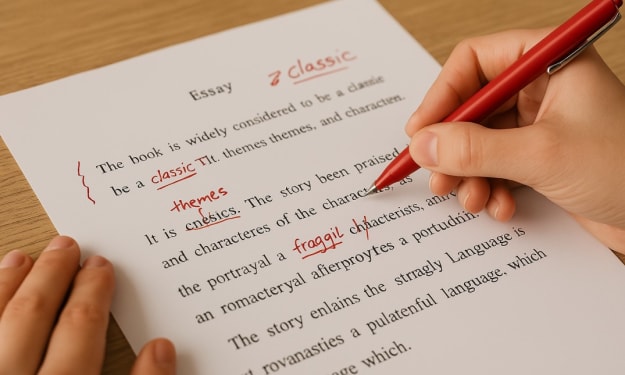
Moreover, AI can even assess open-ended responses like essays or project work using natural language processing techniques. While human teachers bring invaluable judgment and context, AI can reduce their grading workload by quickly identifying key strengths and weaknesses in student writing. In turn, teachers can use their saved time to focus on higher-order instructional strategies or provide more nuanced feedback.
By making assessment formative and adaptive, AI empowers students to learn from mistakes in real time, encouraging a mindset of growth rather than punishment.
Streamlining Classroom Management
In addition to its instructional benefits, AI is helping teachers manage their classrooms more efficiently. Administrative tasks such as attendance, grading, scheduling, and reporting can consume a significant portion of a teacher’s day. Through automation, AI takes over many of these responsibilities, allowing educators to focus more on direct engagement with students.
Some AI systems can automatically record attendance using facial recognition, while others track student behavior and engagement levels to alert teachers when a student might need attention. Advanced platforms even allow educators to input lesson objectives and receive AI-generated lesson plans aligned with curriculum standards, saving hours of preparation time.
The centralization of this data—academic performance, behavioral indicators, learning progress—also makes it easier for teachers, school administrators, and parents to collaborate around student needs. Rather than digging through scattered files and handwritten notes, educators can access comprehensive dashboards that provide an up-to-date snapshot of each student’s educational journey.
Supporting Inclusion and Accessibility
AI’s potential to improve accessibility is among its most promising features. For students with disabilities or special learning needs, AI-powered tools are opening doors that traditional education models have long struggled to unlock.
Speech-to-text and text-to-speech applications, for example, allow students with dyslexia or visual impairments to access reading materials. Language translation tools help students who are learning in a second language to better understand instructions and communicate with teachers. Real-time captioning supports deaf or hard-of-hearing students in following lectures. And adaptive interfaces can accommodate students with mobility or cognitive challenges, ensuring equitable access to educational content.
By adapting to individual abilities rather than expecting all learners to conform to a single mode of instruction, AI helps schools create more inclusive and supportive environments for every student.
Empowering, Not Replacing, Teachers
There is a common concern that AI will eventually replace human teachers. However, most experts agree that AI is far more likely to augment teachers rather than make them obsolete. AI can take over repetitive, time-intensive tasks—such as grading assignments or tracking student data—freeing up educators to focus on what they do best: inspiring, mentoring, and connecting with students.
In fact, teachers who use AI effectively often report feeling more empowered. With better access to student data and more time to plan creative, meaningful lessons, they are able to make more informed decisions and build stronger relationships in the classroom. Rather than fearing AI as a threat, educators increasingly see it as a powerful tool that enhances their role.
Preparing Students for an AI-Driven World
Just as AI is transforming how we teach, it’s also changing what we need to teach. In a world where automation and machine intelligence will be integral to every industry—from healthcare to finance to manufacturing—it’s essential that students graduate with not just digital literacy, but also a deeper understanding of AI itself.
Forward-thinking schools are already incorporating AI concepts into their curricula, introducing students to coding, data analysis, and ethical decision-making in technology. Some schools offer project-based learning experiences where students build simple AI applications or explore how algorithms influence everyday life. These programs don’t just prepare students for technical careers; they foster critical thinking, ethical reasoning, and problem-solving—skills that are increasingly valuable across all fields.
As AI continues to evolve, lifelong learning will become essential. The education system must evolve alongside it, providing students with the skills and flexibility to adapt in a rapidly changing world.
Ethical Considerations and Challenges
Despite its benefits, the integration of AI in education is not without risks. One of the most pressing concerns is data privacy. AI systems require vast amounts of student data to function effectively, raising questions about who owns this data, how it is protected, and what it might be used for beyond education.
Another challenge is bias. AI algorithms are only as objective as the data they are trained on, and if that data reflects existing societal inequalities, the system may unintentionally reinforce them. For example, an AI system might disproportionately flag students from certain backgrounds for behavioral interventions or under-predict the potential of students who do not perform well on traditional metrics.
There’s also the risk of over-reliance. While AI can provide immense support, it should not replace human judgment, empathy, or the relational aspects of teaching. Schools must strike a careful balance, ensuring that AI supports rather than dictates the educational experience.
Addressing these challenges will require collaboration among educators, technologists, policymakers, and communities to create ethical frameworks and transparent systems that put student welfare first.
The Role of AI in Shaping Global Education
While much of the discussion around AI in education centers on technologically advanced nations, AI also has the potential to transform learning in underserved and remote areas. Cloud-based AI platforms can bring high-quality instruction to places with limited access to trained teachers or educational materials. Language translation and localization can help break down barriers to content. In areas affected by conflict or instability, AI-powered apps may serve as the only consistent form of instruction available.
If implemented thoughtfully, AI can help bridge the global education divide—improving literacy, supporting displaced learners, and creating scalable solutions for millions of children who currently lack access to quality education.
A Glimpse Into the Present: CleverSchool.ai
One of the most practical examples of AI already making a difference in classrooms today is CleverSchool.ai, a platform specifically designed to ease the workload of teachers while enhancing student learning. CleverSchool.ai integrates multiple AI functionalities into a single, intuitive system—automating grading, generating personalized lesson plans, tracking student behavior, and providing real-time performance analytics. The platform’s adaptive learning features allow each student to follow a custom learning path, while teachers benefit from automated reports and smart content recommendations aligned with curriculum standards. What sets CleverSchool.ai apart is its teacher-centered design: it doesn't aim to replace educators but rather empowers them to do more of what they love—teaching. In doing so, it offers a glimpse into how AI can enhance both the effectiveness and sustainability of education.
Final Word
As AI becomes more deeply embedded in our daily lives, its influence on education will only grow. The schools that embrace this transformation—thoughtfully, ethically, and strategically—will be the ones best positioned to prepare students for a future defined by change. Whether it’s through adaptive learning, intelligent tutoring, or platforms like CleverSchool.ai, AI offers a powerful opportunity to reimagine what education can be: more personalized, more inclusive, and more human.
About the Creator
Rajiv Menon
Rajiv is a seasoned technology evangelist passionate about driving digital transformation and innovation across industries.
Keep reading
More stories from Rajiv Menon and writers in Education and other communities.
Top Essay Checker Tools to Improve Your Writing in 2025
Whether you're a student submitting a term paper, a teacher grading assignments, or a professional polishing a report, having access to a reliable essay checker tool can make a world of difference. These tools go beyond basic grammar corrections—they evaluate sentence structure, coherence, readability, originality, and even offer suggestions for improvement.
By Rajiv Menon6 months ago in Education
This is what happens in your brain when you can't recall and word
You’re sure you know your third grade teacher’s name— it’s like you’re hovering over it in your mind, but it just won’t materialize. Researchers call this tantalizing torment a “tip-of-the-tongue state,” and it's something everyone experiences. But what's actually happening when a word gets caught here? And how can you best get it unstuck? Most of the time, our brains seamlessly summon words from vast stores of knowledge, paring their meaning and sounds, and stringing them into sentences.
By Munesh Yadava day ago in Education


Comments
There are no comments for this story
Be the first to respond and start the conversation.