
The Future of Artificial Intelligence: Trends and Implications
Unveiling the Current Landscape of AI Trends That are Shaping the Path Forward Deep Learning: Unraveling Complex Patterns
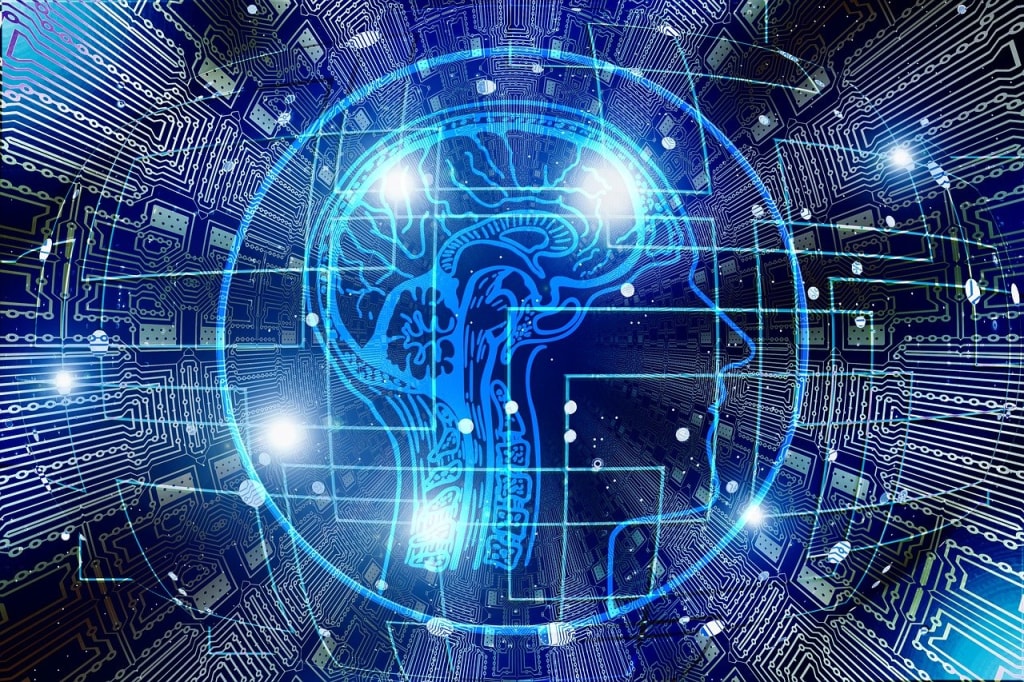
In the realm of technological advancements, few fields have garnered as much attention and excitement as Artificial Intelligence (AI). Often portrayed in science fiction as both a boon and a threat, AI has made remarkable strides in recent years, shaping industries and influencing the way we live and work. As we stand on the precipice of a new era, it's essential to examine the trends that are propelling AI forward and the potential implications they hold for our society.
The Current State of AI
Before diving into the future, let's first assess the current state of AI. Machine Learning (ML), a subset of AI, has enabled computers to learn from data and make decisions without explicit programming. This has led to breakthroughs in various domains, from healthcare to finance. Natural Language Processing (NLP) has facilitated human-computer interaction, powering virtual assistants and language translation. Computer Vision, another AI domain, has enabled machines to perceive and interpret visual information, revolutionizing industries like autonomous vehicles and manufacturing.
Trends Shaping the Future
1.Deep Learning Advancements: Deep Learning, a subset of ML, has driven many recent AI breakthroughs. Neural networks with multiple layers can learn intricate patterns, leading to improvements in image recognition, language processing, and more. As computing power increases, we can expect even more complex networks and tasks to be tackled.
2. Explainable AI (XAI):The 'black box' nature of some AI models has raised concerns about transparency and accountability. XAI aims to address this by developing models that provide understandable explanations for their decisions. This trend is crucial, especially in sectors like healthcare and law, where clear reasoning is vital.
3.AI at the Edge:The rise of Internet of Things (IoT) devices has led to a push for AI to be deployed at the edge—closer to where data is generated. This reduces latency and enhances real-time decision-making, which is valuable for applications like autonomous vehicles and remote monitoring.
4. Generative AI: Generative AI models like GANs (Generative Adversarial Networks) can create new content, such as images, music, and text. This has vast creative potential but also raises concerns about intellectual property and misinformation.
5.AI in Healthcare:AI is poised to revolutionize healthcare through personalized treatment plans, early disease detection, and drug discovery. Diagnostic AI systems are already showing promise in interpreting medical images, potentially reducing human error.
6. Ethical AI and Bias Mitigation:As AI becomes more integrated into our lives, addressing biases in training data and algorithms becomes paramount. Ensuring fairness and equity in AI systems will be a significant focus to prevent reinforcing societal inequalities.
Implications for Society
As AI continues to evolve, its implications for society are both exciting and thought-provoking.
1.Job Disruption and Transformation: The widespread adoption of AI has led to concerns about job displacement. However, history has shown that while some roles may diminish, new jobs and opportunities arise, often requiring reskilling and upskilling of the workforce.
2. Ethical Dilemmas: AI raises ethical questions about decision-making accountability and data privacy. As AI systems make autonomous choices, determining who is responsible for their outcomes becomes complex.
3. Human-AI Collaboration: The future of AI isn't about replacing humans; it's about enhancing human capabilities. Collaborative efforts between humans and AI can lead to innovative problem-solving and creative endeavors.
4. Economic and Social Inequality: Without careful management, AI could exacerbate existing economic and social disparities. Access to AI technologies and the ability to harness their benefits may be unequal, leading to a 'digital divide.'
5. Security Concerns: As AI systems become more sophisticated, so do potential security threats. AI can be used to launch cyberattacks, manipulate information, and breach privacy.
Conclusion
The future of Artificial Intelligence is a tapestry woven with threads of innovation, ethical considerations, and societal transformations. The trends shaping AI's trajectory hold promises of advancements that were once confined to the realm of imagination. However, as we venture forward, it's imperative to navigate the path with careful consideration, ensuring that AI's potential benefits are harnessed for the betterment of humanity while addressing its potential challenges
About the Creator
Keep reading
More stories from Shinchan Nohara and writers in Education and other communities.
Whispers of Eternity: A Tale of Love and Serendipity
In the quaint town of Willowbrook, nestled between rolling hills and whispering pines, lived two souls destined to intertwine. Amelia Sterling, a vivacious artist with an affinity for capturing the world's beauty on canvas, and Ethan Reynolds, a reserved literature professor with a penchant for poetic musings, found their lives connected in ways they could never have imagined.
By Shinchan Nohara2 years ago in Fiction
Bankroll Management for Poker Pros: Strategies to Ensure Long-Term Success
For professional poker players, skill at the table is only part of the equation. Even the most talented pros can face financial disaster without proper bankroll management. In a game built on variance, long-term success depends not only on making the right decisions during hands but also on managing money wisely outside of them.
By Micah Raskinabout 6 hours ago in Education
IQ Tests and the Human Mind: A Deeper Look
The human mind has fascinated scientists, philosophers, and educators for centuries. One of the most widely known tools for exploring human intelligence is the IQ test. Today, with easy access to an iq test free online, millions of people are discovering more about their cognitive abilities. But what do IQ tests really tell us about the human mind, and how should we interpret their results? Taking a deeper look reveals both the strengths and limitations of IQ testing in understanding intelligence.
By Fast Learner4 days ago in Education



Comments
There are no comments for this story
Be the first to respond and start the conversation.