
The Future of African Music and Dance:
A Vibrant Tapestry of Culture and Innovation
Introduction:
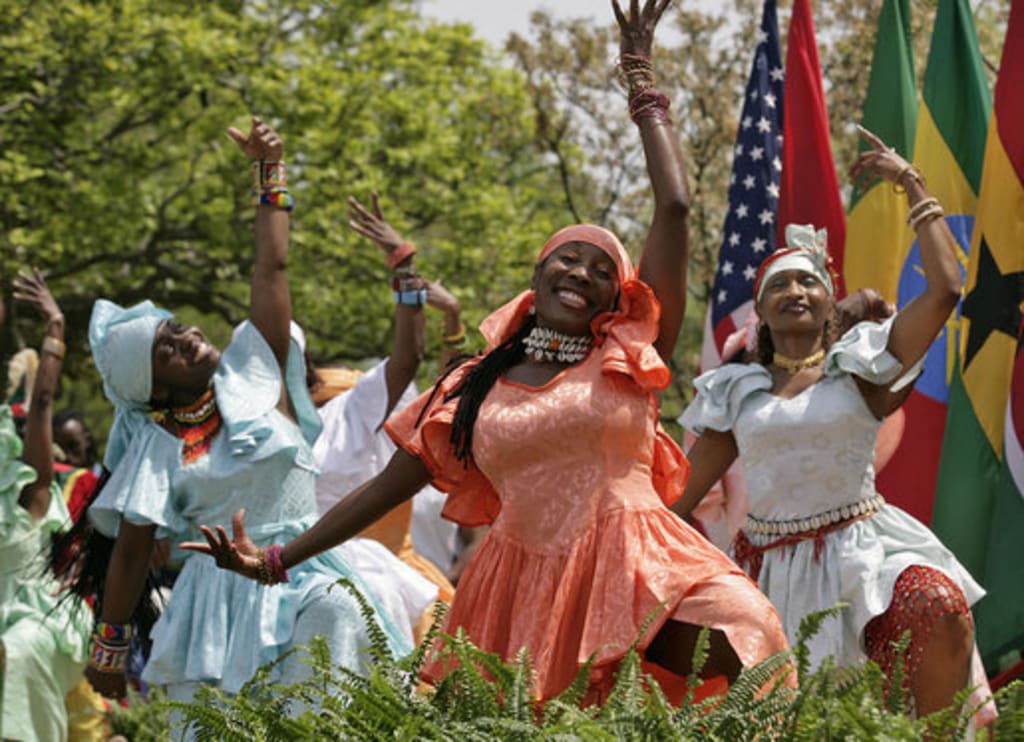
Africa, the cradle of civilization, has long been a rich source of diverse and vibrant music and dance traditions. From the rhythmic beats of West African drumming to the melodic harmonies of East African vocals, the continent's musical and dance heritage is a testament to its cultural richness. As we look to the future, the world can expect an exciting evolution of African music and dance, where tradition meets innovation, fostering creativity, and connecting people across borders.
Preserving Cultural Roots:
Despite the potential for innovation, African artists recognize the importance of preserving their cultural roots. Traditional rhythms, instruments, and dance forms continue to be cherished and upheld by musicians and dancers, ensuring that the soul of African music remains intact. Through meticulous research, master-apprentice relationships, and cultural exchange, these traditions are passed down from generation to generation, forming the foundation upon which the future of African music and dance is built.
Revitalizing Traditional Genres:
While preserving cultural roots is crucial, African artists are also revitalizing traditional genres by infusing them with contemporary elements. This fusion allows for the creation of new sounds and experiences that resonate with younger audiences, both within Africa and around the world. Genres such as Afrobeat, Afrobeats, and Afrofusion have gained global recognition, blending traditional African rhythms and instruments with genres like hip-hop, R&B, and electronic music. This blending not only attracts a diverse audience but also encourages cultural appreciation and cross-pollination of ideas.
Technological Advancements:
Technological advancements have played a significant role in shaping the future of African music and dance. Access to affordable music production tools, digital platforms, and social media has democratized the industry, providing a platform for aspiring artists to showcase their talents. Through online platforms and streaming services, African musicians can now reach a global audience without traditional barriers, fostering collaboration and cultural exchange.
Furthermore, technology has facilitated the blending of traditional African music and dance with contemporary elements. Artists are experimenting with digital effects, sampling, and electronic instruments to create unique and immersive experiences. This integration of technology opens new possibilities for artistic expression and pushes the boundaries of what is possible within the realm of African music and dance.
Social Commentary and Activism:
African music and dance have always been powerful forms of storytelling and social commentary. As we look to the future, African artists will continue to use their craft as a vehicle for activism and change. They address socio-political issues, celebrate cultural diversity, and advocate for social justice through their lyrics, movements, and performances. By voicing their perspectives on pressing matters, African musicians and dancers become catalysts for positive transformation, sparking conversations and inspiring movements for change.
Global Collaboration and Influence:
In an increasingly interconnected world, African music and dance are experiencing a surge in global collaboration and influence. Artists from different continents are recognizing the richness of African traditions and are actively seeking collaborations with African musicians and dancers. This cross-cultural exchange not only allows for the fusion of diverse musical and dance styles but also promotes cultural understanding and appreciation on a global scale.
The popularity of African music festivals, such as the Afro Nation and Lake of Stars, demonstrates the growing global interest in African music and dance. These festivals serve as platforms for showcasing African talent and nurturing international partnerships. As collaborations continue to flourish, the future of African music and dance will undoubtedly become more dynamic and diverse, breaking down cultural barriers and forging new artistic frontiers.
Educational Initiatives and Cultural Preservation:
To ensure the continued growth and evolution of African music and dance, educational initiatives are crucial. African countries are increasingly recognizing the importance of incorporating arts education into school curricula, allowing younger generations to appreciate their cultural heritage and pursue artistic careers. Additionally, organizations and institutions
About the Creator
Keep reading
More stories from Ohara Teah and writers in Education and other communities.
The Insecurity Delemma
Introduction: Criticism is an essential part of personal and professional growth. Constructive feedback provides valuable insights and opportunities for improvement. However, it is a common observation that certain individuals tend to interpret criticism as personal attacks and feel a sense of envy towards those providing feedback. In this article, we delve into the psychology behind this phenomenon, exploring the reasons why some incompetent people struggle with criticism and perceive it as an attack and envy.
By Ohara Teah3 years ago in Education
How to Donate Venison to Manna House in Huntsville
Donating venison is one of the most meaningful ways local hunters can give back to the community. In Huntsville, Manna House plays a vital role in turning legally harvested deer into healthy meals for families in need. If you have extra venison this season and want it to make a real difference, understanding the process helps ensure your donation is safe, legal, and impactful.
By Joe Sottolano2 days ago in Education
One Simple Photography Trick That Instantly Makes Every Photo Look Professional
Taking a great photo doesn’t always require expensive cameras, advanced editing software, or years of experience. In fact, many professional-looking images come down to one simple technique that anyone can learn. Whether you’re capturing moments with your phone or using a DSLR, there is one photography trick that can instantly elevate the quality of your pictures.
By Kelln Smalla day ago in Education
Feelings Never Die
It is Valentine's Day again, and it bought back memories that were over fifty years old. It bought me back to 1971, and I woke up and I knew my baby was due today. I was big and pregnant, and I felt like I was about to burst wide open. Imagine my surprise when the doctor told my I had a due date of February 14. I couldn't believe it, and since my baby was due today, I felt I could indulge myself a bit. I had gained a lot of weight, and chocolate was on the no-no list, but I had came to the end of this pregnancy, and I hoped it would be okay, after all I would deliver this baby today. So I walked across the street to the grocery story, and bought myself, a peppermint patty, covered in chocolate, my favorite. Me and my Valentine's baby would enjoy it together.
By Susan Paytonabout 7 hours ago in Fiction


Comments
There are no comments for this story
Be the first to respond and start the conversation.