
THE FALL OF THE CONCORDE
A Tragic Chapter in Aviation History
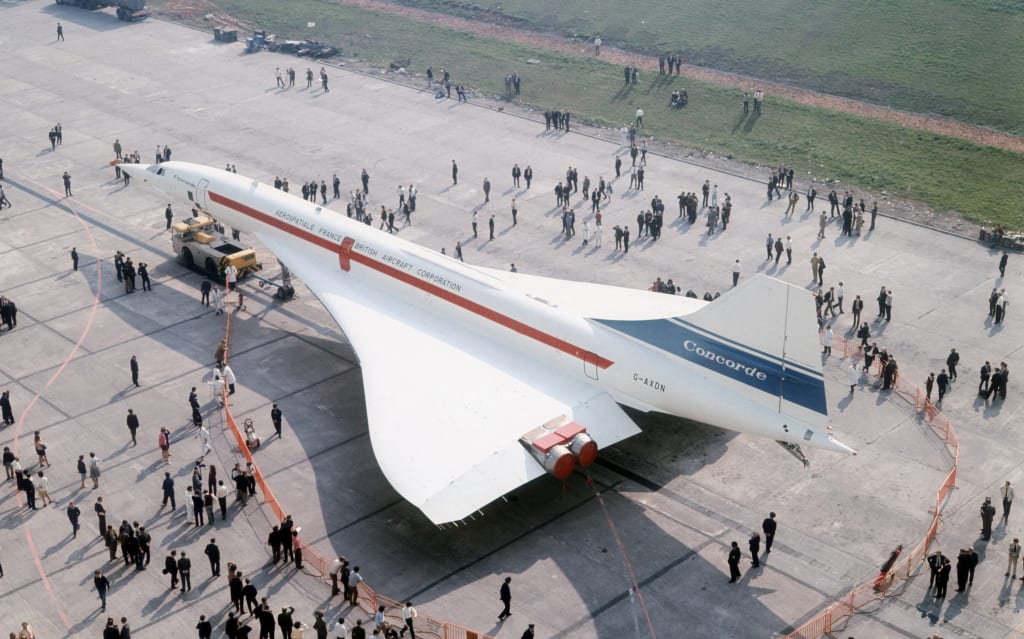
The Concorde, a symbol of supersonic luxury travel and technological prowess, met an untimely demise that marked a sad chapter in aviation history. The tragic incident unfolded on July 25, 2000, near Paris, leading to the grounding of the entire Concorde fleet and casting a shadow over the future of supersonic commercial aviation.
Setting the Stage: The Concorde's Legacy
The Concorde, a joint venture between British Airways and Air France, was an engineering marvel that entered commercial service in 1976. It was the world's first supersonic passenger jet, capable of reaching speeds over twice the speed of sound. With a distinctive delta wing design and a slender fuselage, the Concorde became an icon of sophistication and exclusivity, offering a transatlantic flight experience that shortened travel time significantly.
Despite its technological brilliance, the Concorde faced challenges throughout its operational history. Its high operating costs, limited seating capacity, and environmental concerns, particularly the noise generated during takeoff and landing, posed obstacles to its widespread adoption. Nonetheless, the Concorde remained a symbol of prestige, attracting celebrities, business elites, and aviation enthusiasts.
The Catastrophic Event: Flight AF4590
On that fateful day in July 2000, Air France Flight AF4590 took off from Charles de Gaulle Airport in Paris bound for John F. Kennedy International Airport in New York. The Concorde's reputation for luxury and speed attracted a mix of international passengers, eager to experience the thrill of supersonic travel.
However, just moments after takeoff, tragedy struck. A titanium strip, a remnant from a previous Continental Airlines flight, punctured one of the Concorde's tires. The debris from the burst tire struck the fuel tank, causing a catastrophic chain of events. Leaking fuel ignited, engulfing the left-wing in flames. The pilots struggled to control the aircraft as it veered off course, eventually crashing into a hotel in the town of Gonesse, resulting in the loss of all 109 passengers and crew members on board and four individuals on the ground.
Immediate Impact and Grounding of the Fleet
The Concorde crash sent shockwaves through the aviation industry and the world at large. It was the first fatal accident in the Concorde's operational history, prompting an immediate suspension of all Concorde flights. Investigations were launched to determine the root causes of the tragedy, focusing on the design of the aircraft, maintenance practices, and the circumstances surrounding the debris on the runway.
The findings revealed a combination of factors contributing to the disaster. The strip of metal that triggered the tire failure was traced back to a Continental Airlines DC-10 that had taken off minutes earlier. Maintenance procedures and communication lapses between various parties were identified as contributing elements. Additionally, design flaws in the Concorde's fuel tanks were highlighted, leading to modifications in subsequent models.
The End of an Era: Consequences for Supersonic Travel
In the aftermath of the Concorde crash, the iconic supersonic jet faced insurmountable challenges. The temporary suspension of flights evolved into a permanent grounding of the entire Concorde fleet in 2003. The financial burden of addressing safety concerns, coupled with the already high operational costs, rendered the Concorde economically unviable.
The incident marked not only the end of the Concorde era but also cast a long shadow over the prospects of commercial supersonic travel. The aviation industry shifted its focus towards more economically viable and environmentally sustainable options, leaving supersonic travel in the archives of aviation history.
Legacy and Lessons Learned
While the Concorde's legacy endures as a symbol of innovation and luxury, the crash and subsequent retirement of the fleet underscored the delicate balance between technological advancement and safety in aviation. The lessons learned from the investigation prompted improvements in aircraft design, maintenance protocols, and communication procedures to enhance overall aviation safety.
The Concorde crash also served as a turning point in the public perception of supersonic travel. The focus shifted towards developing more fuel-efficient and environmentally friendly aircraft, reflecting a growing awareness of the ecological impact of aviation.
In conclusion, the fall of the Concorde plane stands as a poignant reminder of the complexities and risks inherent in pioneering technological advancements. While the Concorde's thunderous flights may have ceased, its legacy lives on in the annals of aviation history, serving as both an inspiration and a cautionary tale for future generations of aircraft designers, engineers, and aviation enthusiasts.
About the Creator
Keep reading
More stories from writers in Education and other communities.
How Early Hustle Jobs Build Lifelong Skills and Confidence
Early hustle jobs often begin as simple ways to earn extra money, but their long-term impact is far greater than most people recognize. Whether someone starts by babysitting, mowing lawns, working retail, or serving tables, these early experiences develop foundational skills that shape personal and professional success for decades.
By David Lipan4 days ago in Education


Comments
There are no comments for this story
Be the first to respond and start the conversation.