
The Fall of the Berlin Wall: How a Historic Event Continues to Shape Our World Today
The Collapse of the Cold War: A Turning Point in Global Power & European Unity: The Rise of the European Union

**How The Fall of the Berlin Wall Still Impacts Our World Today**
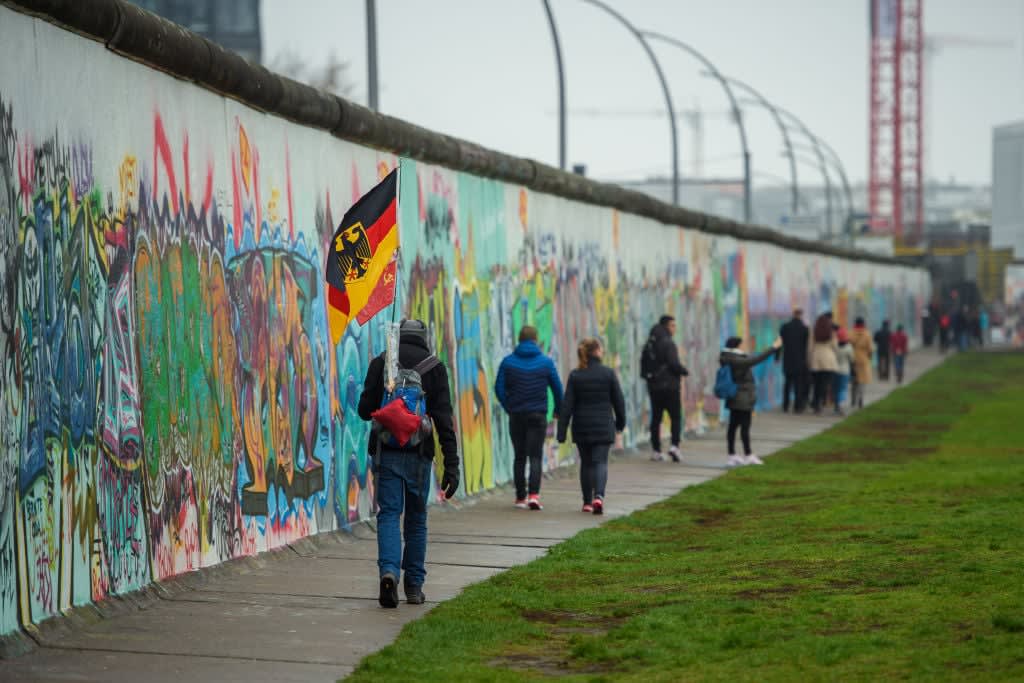
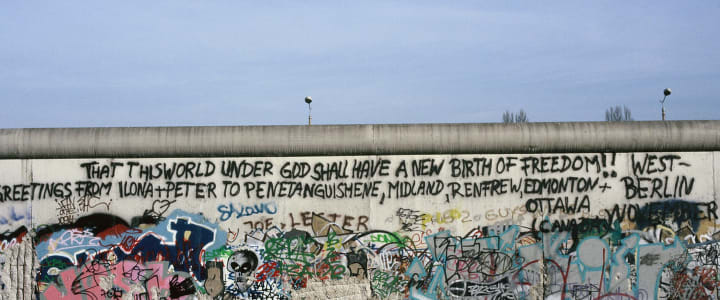
The fall of the Berlin Wall on November 9, 1989, marked one of the most pivotal moments in the 20th century, signaling the end of the Cold War and the division of Germany. The wall, which had separated East and West Berlin for nearly three decades, was not just a physical barrier but a symbol of the ideological struggle between democracy and communism, freedom and oppression. Its fall, celebrated as a triumph of hope and unity, reshaped the geopolitical landscape, transforming Europe, international relations, and even the way we think about human rights and freedom.
But the impact of this historic event didn’t stop in 1989. The repercussions of the fall of the Berlin Wall continue to resonate in our world today, shaping the present in ways both direct and indirect. From the expansion of the European Union to the restructuring of global power dynamics, the world as we know it would be vastly different without this watershed moment in history.
### 1. **The End of the Cold War and Shifting Global Alliances**
The Berlin Wall was the most iconic symbol of the Cold War. Erected in 1961 by the government of the German Democratic Republic (East Germany), it physically and ideologically divided the democratic West, led by the United States, from the communist East, backed by the Soviet Union. For years, the wall stood as a clear marker of the tension between the two superpowers and their competing ideologies.
When the wall fell, it signaled the collapse of the Soviet sphere of influence in Eastern Europe and marked the beginning of the end of the Cold War. The Communist Party of the Soviet Union, under Mikhail Gorbachev, had initiated policies of **glasnost** (openness) and **perestroika** (restructuring), which encouraged more openness and reform in the Soviet Union and its satellite states. These changes contributed to the weakening of Soviet control over Eastern Europe, and within months of the Berlin Wall's fall, communist governments across the region were toppling.
The immediate effect was the reunification of Germany in 1990, which symbolized the victory of democratic ideals over communism. The Soviet Union itself, weakened by internal struggles and the loss of its Eastern European satellites, eventually dissolved in 1991. This reshaped global politics, leading to a unipolar world dominated by the United States and the spread of liberal democracy across Europe and beyond.
Today, the fall of the Berlin Wall serves as a reminder of how ideological struggles can shape global alliances and the balance of power. The end of the Cold War ushered in an era of cooperation between former adversaries, though it also left new challenges. The United States and NATO expanded their influence, while Russia, once a superpower, struggled to regain its footing. The geopolitical realignment after 1989 still affects international diplomacy, especially in regions like Eastern Europe and Central Asia.
### 2. **European Integration and the Expansion of the European Union**
One of the most significant outcomes of the fall of the Berlin Wall was the acceleration of European integration. The reunification of Germany was a crucial moment in the process of building a unified, peaceful Europe. It led to the expansion of the European Union (EU), as former communist countries in Eastern Europe sought to join the Western bloc to ensure stability, security, and economic prosperity.
The EU, which had been largely a Western European project, began to expand eastward in the 2000s, with countries like Poland, Hungary, and the Czech Republic joining in 2004. These nations, once part of the Soviet sphere of influence, were now part of a broader European project focused on shared economic goals, democratic principles, and peace.
Today, the EU continues to play a central role in the political, economic, and social life of Europe. The bloc has expanded to 27 member states, and while it faces challenges, including Brexit and rising nationalism, it remains a powerful symbol of cooperation, peace, and economic integration. The fall of the Berlin Wall was a critical turning point that set the stage for this expansion and the broader European integration process.
### 3. **Human Rights and the Struggle for Freedom**
The Berlin Wall was not just a physical barrier; it was a symbol of the lack of freedom under communist regimes. East Germans who attempted to cross the wall faced violence, imprisonment, and even death. The wall divided families, prevented travel, and embodied the repression of individual rights.
Its fall, however, became a symbol of hope and freedom. People who had been denied basic human rights for decades suddenly found themselves with the opportunity to choose their future, to live freely, and to reunite with loved ones. The fall of the Berlin Wall was not just a victory for Germany, but for the global movement for human rights and freedom.
This moment continues to resonate today. It serves as a reminder of the power of grassroots movements, the importance of standing up against oppressive regimes, and the ability of individuals to challenge seemingly insurmountable systems. Around the world, the legacy of the Berlin Wall continues to inspire movements for freedom, justice, and human rights in places where oppression still persists.
### 4. **Technological and Cultural Change**
The fall of the Berlin Wall also ushered in a period of unprecedented technological and cultural exchange. As Eastern Europe opened up, people were exposed to Western ideas, technology, and culture. The end of the Cold War brought about the spread of new technologies, from the personal computer to the internet, which would revolutionize communication, business, and entertainment.
Culturally, the fall of the wall represented the triumph of democratic values, including freedom of expression, the right to information, and open exchange. The access to information that we take for granted today—through the internet, social media, and global communications—was in many ways made possible by the collapse of the wall and the subsequent opening of Eastern Europe to the wider world.
In the years since, we’ve seen the rise of global networks, the growth of international trade, and the spread of democratic values, all of which are deeply connected to the fall of the Berlin Wall and the end of the Cold War.
### 5. **The Continuing Challenge of Reconciliation and Memory**
Despite the many positive changes since the fall of the Berlin Wall, the process of reconciliation and the dealing with memory of the division of Germany remains an ongoing challenge. While West Germany experienced rapid economic growth and modernization, East Germany struggled with the legacy of communism and the transition to a market economy. Many former East Germans still feel disconnected from the unified nation, and issues of national identity and inequality persist.
The Berlin Wall's fall also forced the world to confront the brutal reality of state-sponsored violence and repression. The legacy of the wall serves as a reminder of the dangers of authoritarianism and the importance of safeguarding democratic freedoms.
### Conclusion
The fall of the Berlin Wall remains one of the most significant events in modern history, and its impact continues to shape the world today. From the end of the Cold War to the expansion of the European Union, from the triumph of freedom to the ongoing challenges of reconciliation, the fall of the Berlin Wall marked a new chapter in global history. It reminds us of the power of human agency, the importance of freedom, and the enduring struggle for a more just and unified world.
About the Creator
Nora Ariana
Empowering through stories and sound igniting purpose, sparking growth, and awakening the power within.
Keep reading
More stories from Nora Ariana and writers in Education and other communities.
A goal is a dream with a deadline
A goal is a dream with a deadline. This powerful quote reminds us that without action, dreams remain just that wishes floating in our imagination. But when we set a timeline and commit to achieving them, they evolve into goals, bringing clarity, direction, and purpose. Many people go through life holding on to dreams, hoping they will come true someday. But someday is not a day on the calendar. Dreams without structure often fade with time or get buried under the weight of daily responsibilities. Turning a dream into a goal is what separates those who achieve from those who continue to wish.
By Nora ArianaExclusive • 9 months ago
From Despair to Hope: How Animal Rescue Efforts Rebuild Broken Lives
Animal rescue efforts stand as a powerful response to suffering that often goes unseen. Across towns, cities, and rural areas, animals face neglect, abandonment, injury, and fear every day. Many are left without food, shelter, or medical care. Others are harmed by abuse or natural disasters. Without help, their future is uncertain. Through patience, care, and action, animal rescue efforts transform despair into hope and give animals the chance to heal and live safely.
By Brenda McGrane5 days ago in Education
How to Gain Real Work Experience in Wealth Management
Breaking into wealth management can feel confusing at first. Many roles ask for experience, but it is not always clear how to get it. The good news is that real wealth management work experience comes from action, not just titles. With the right approach, you can build skills, credibility, and confidence before landing a full-time role.
By John Lennox Cummings4 days ago in Education
So You Decided To Become a Nurse Practitioner:
So you decided to become an "Advanced Practice" nurse. Congratulations!... is what I would say if this was a good idea. Grad school? In this economy? What were you thinking? Likely it was something along the lines of either 1) “I've seen these other chucklefucks do it— Why can't I?” or even 2) “I've got a nice career, I should shake it up. I miss feeling like I have no clue what I'm doing.”
By Sandor Szabo2 days ago in Fiction


Comments
There are no comments for this story
Be the first to respond and start the conversation.