
The Evolution of Recliners: From Manual to Power and Beyond
Get ready to recline in style! The evolution of recliners has been nothing short of remarkable, transforming from basic manual designs to the high-tech marvels we enjoy today.
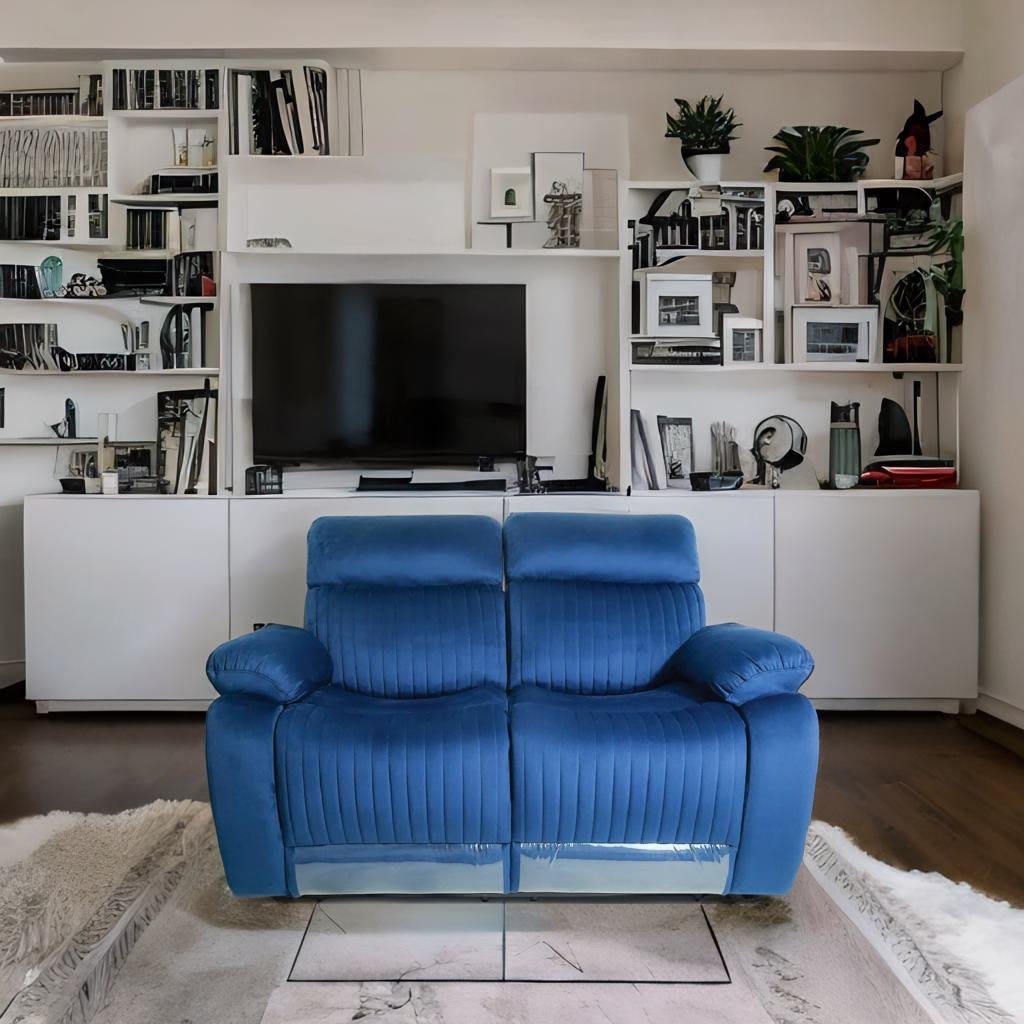
Manual Marvels: The story of recliners begins with their simplest form—manual recliners. These early models were straightforward, requiring the user to push or pull a lever to adjust the angle of the backrest and footrest. While they served the basic purpose of adjustable seating, these recliners were far from luxurious. They were designed more for functionality than for comfort, providing a rudimentary solution for those seeking a break from upright seating. Despite their limitations, manual recliners laid the groundwork for future innovations by addressing the fundamental need for adjustable relaxation.
Power Players: The advent of power recliners marked a significant turning point in the history of recliners. With the introduction of electric motors, the effort required to adjust the recliner’s position was eliminated. Suddenly, relaxation became as simple as pressing a button or flicking a switch. This innovation brought a new level of ease and comfort, making power recliners an instant hit among consumers. The ability to smoothly transition to various reclining positions without physical exertion resonated with those looking for convenience and luxury. Power recliners not only elevated the comfort of seating but also expanded the possibilities for design and functionality, setting the stage for even more sophisticated features.
Beyond Boundaries: Today’s recliners have evolved far beyond their humble beginnings. Modern recliners are equipped with an array of features that cater to every comfort and convenience need. Adjustable headrests and footrests allow users to customize their seating position for optimal relaxation, providing support exactly where it’s needed. Built-in massage functions add a therapeutic element, helping to relieve stress and tension after a long day. The integration of cup holders and USB ports ensures that everything you need is within arm’s reach, whether it’s a refreshing beverage or a device charger. These advancements reflect the growing desire for multifunctional furniture that enhances the overall living experience.
The design of modern recliners has also seen a significant transformation. Sleeker, more contemporary designs have replaced the bulky, utilitarian appearance of older models. High-quality materials and craftsmanship ensure that today’s recliners are not only comfortable but also aesthetically pleasing, seamlessly blending with a variety of interior decor styles. This evolution in design demonstrates the industry's commitment to creating products that are both functional and visually appealing.
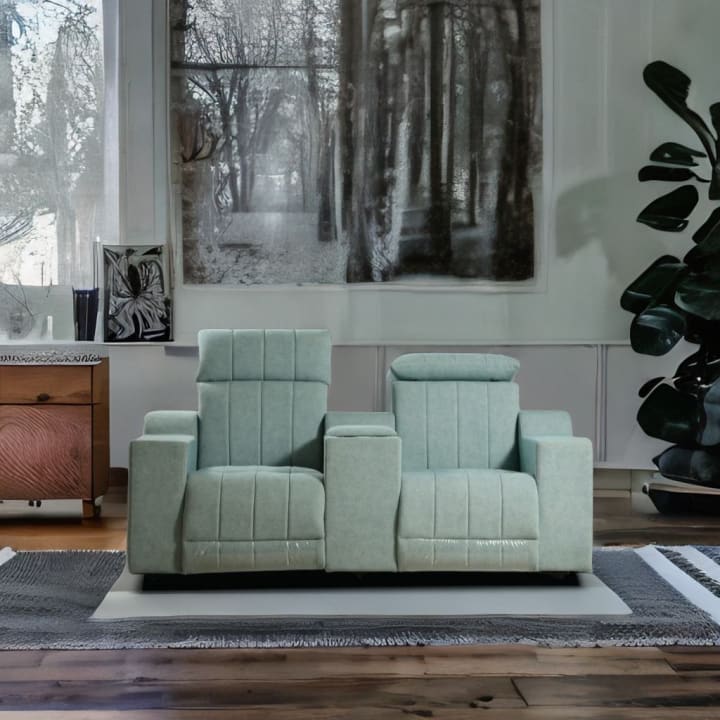
The Future is Now: As we look to the future, the possibilities for recliners seem endless. Technological advancements continue to push the boundaries of what is possible, promising even greater comfort and convenience. One exciting prospect is the incorporation of artificial intelligence (AI) into recliner design. Imagine a recliner that can learn your preferences over time, automatically adjusting its settings to provide the perfect level of support and comfort based on your habits and posture. AI-powered comfort adjustments could revolutionize the way we experience relaxation, making personalized comfort more accessible than ever before.
Furthermore, the future may see recliners that double as personal assistants, integrating seamlessly with smart home systems. Voice-activated controls could allow users to adjust their recliners without lifting a finger, while built-in sensors could monitor health metrics such as heart rate and posture, providing feedback to improve overall well-being. These multifunctional features could transform the recliner from a simple piece of furniture into an essential component of a smart, connected home.
In conclusion, the evolution of recliners from manual mechanisms to high-tech marvels underscores the significant strides made in comfort and innovation. Each stage of development has brought new levels of convenience and luxury, reflecting our increasing demand for better relaxation solutions. As technology continues to advance, the future of recliners looks incredibly promising, with potential innovations that could redefine the way we experience comfort in our homes. Whether it’s through AI-driven adjustments or smart home integration, the next generation of recliners is sure to bring even more remarkable features into our lives, enhancing our comfort and convenience in ways we can only begin to imagine.
About the Creator
Keep reading
More stories from Opaa Homes and writers in Education and other communities.
Sustainable Living: Revolutionizing the Furniture Industry for a Better Tomorrow
Deforestation and Timber Sourcing The furniture industry's heavy reliance on wood has profound implications for forests worldwide, leading to deforestation and significant biodiversity loss. This issue is particularly pressing as forests play a crucial role in carbon sequestration, climate regulation, and providing habitat for countless species. Unsustainable logging practices have led to the degradation of these vital ecosystems.
By Opaa Homes2 years ago in Education
Before the Bell: Daily Pre-Market Steps That Drive Consistent Trading Wins
In daily trading, the difference between consistency and chaos often comes down to what happens before the session starts. The most reliable traders don’t wait for the bell to decide what to do—they use the early hours to map out a plan, filter distractions, and establish a tactical approach to the day.
By Agast Mishra8 days ago in Education
Image-to-text technology, also known as Optical Character
Image-to-text technology, also known as Optical Character Recognition (OCR), has transformed the way we interact with visual information. It allows machines to extract text from images, enabling various applications across multiple industries. From digitizing printed documents to reading text from scanned images, OCR plays a vital role in making printed content accessible, editable, and searchable. The need for such technology has grown exponentially with the increasing reliance on digital data and the rapid shift from physical to digital content in nearly all sectors of life. As the digital world continues to expand, image-to-text technology has paved the way for more seamless workflows, enabling businesses and individuals alike to save time, effort, and resources.
By Alexander Jackson4 days ago in Education



Comments
There are no comments for this story
Be the first to respond and start the conversation.