
The Evolution of Cruise Ships🚢
How cruise ships got so big
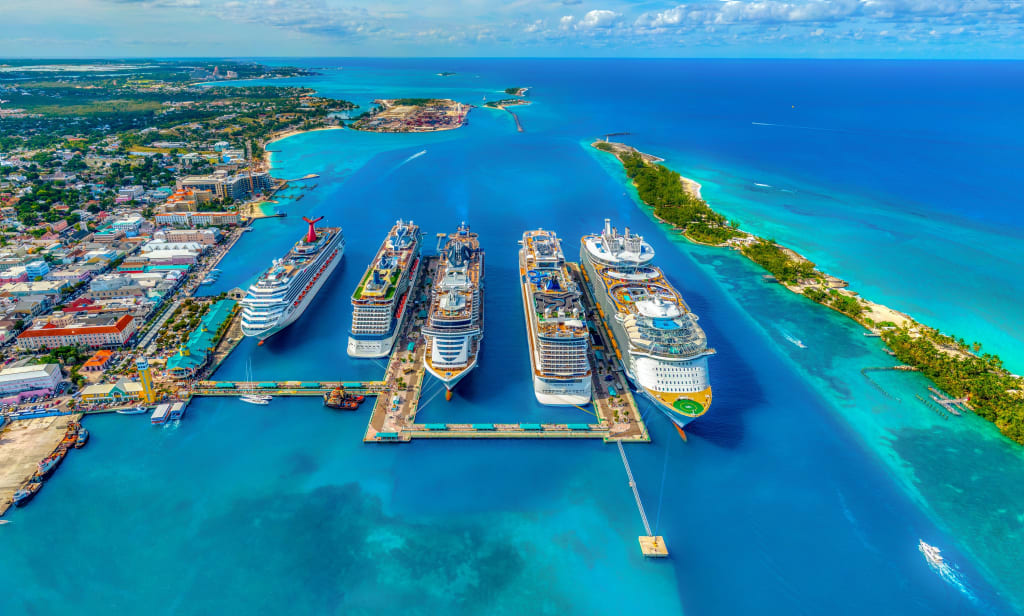
The remarkable expansion of cruise ships in terms of size can be attributed to a combination of factors driven by industry competition, passenger demand for amenities, technological advancements, and the desire to create unique and captivating experiences for travelers. Let's delve into how cruise ships grew to become the colossal vessels we see today.
In the realm of maritime vessels, we encounter various sizes of boats: from the diminutive ones to the larger models, and finally, to the truly colossal ones. The focus here is on a specific vessel, the MSC Meraviglia, a cruise ship constructed in Saint-Nazaire, France, which has been in operation since 2017. This ship holds a special distinction as the largest cruise ship to ever dock in New York City. Its grandeur is reflected in the extensive array of amenities it offers: a water park, rope course, spa, mall, arcade, bowling alley, casino, gym, two theaters, five pools, nine restaurants, 23 bars, 19 floors, and a capacity for 5,655 passengers along with 1,536 crew members. Cruise ships are remarkable feats of engineering, capable of accommodating an entire small town's population in a single vessel.
However, the design of these modern cruise ships greatly differs from the iconic transatlantic ships that graced the seas a century ago. The transformation from ocean liners to cruise ships is a fascinating journey that's worth exploring. In the past, ocean liners were constructed primarily for efficient transportation across the Atlantic, offering luxury and comfort despite the challenging conditions of sea travel. These vessels were palatial, resembling grand hotels or even royal palaces to instill confidence in passengers.
Yet, the rise of air travel in the mid-20th century led to a decline in the demand for ocean liners. As a response, companies shifted their focus from fast transportation to leisurely vacations. This shift laid the foundation for the emergence of cruise ships, which began to cater to a broader audience. Notably, the TV show "The Love Boat" played a pivotal role in popularizing the concept of cruising.
The transition from ocean liners to cruise ships was accompanied by various design changes. Ocean liners, designed for speed and efficiency, were no longer suitable for the leisurely pace of cruises. Cruise ships needed to offer a different experience, necessitating alterations in their design and amenities. The conversion of the SS France into the SS Norway in 1980 marked a pivotal moment. The ship's transformation from a traditional ocean liner to a full-time cruise ship demonstrated that cruise ships could be profitable and enjoyable on an unprecedented scale.
As cruise ships gained prominence, their design continued to evolve. Size became a defining feature, as ships grew larger to accommodate more passengers and amenities. This expansion reshaped the appearance of cruise ships, with taller superstructures, wider decks, and shorter bows. The shift in focus from being a transportation vessel to being the destination itself brought about these changes. The grandeur and elegance of ocean liners gave way to the functionality and entertainment-focused design of modern cruise ships.
Despite this evolution, only one true ocean liner, the Queen Mary 2, remains in operation today. This vessel, which upholds the traditions of ocean travel, serves as a reminder of a bygone era. The cruise ship industry, on the other hand, has seen a proliferation of over 320 vessels around the world, each offering its own unique experience to travelers.
In conclusion, the transformation of maritime travel from ocean liners to modern cruise ships reflects not only changes in technology and transportation but also shifts in the way people perceive and enjoy vacations at sea. The cruise ship industry's emphasis on entertainment, relaxation, and diverse experiences has led to the creation of massive vessels that redefine the concept of travel on water.
About the Creator
Keep reading
More stories from writers in Education and other communities.
Trouble at the Tea Leafing Café
The rain had started right around the time that Annie was buttering her second thick slice of homemade toast for breakfast, and hadn’t paused since. Not that anyone could tell. The windows of the café were fogged over, and with every seat filled with happy customers munching on fresh baked pastries or steaming bowls of the delicious soup of the day, it was hardly surprising. Annie looked around the room, finally taking a moment to breathe after the lunch time rush. Her old life already felt like a bad memory, a part of her history, always, but just that. History.
By Hannah Moore2 days ago in Fiction




Comments
There are no comments for this story
Be the first to respond and start the conversation.