
The Ethics and Risks of Creating Superintelligent AI: A Critical Examination
Exploring the Promises, Perils, and Moral Dilemmas of Building Minds Beyond Our Own

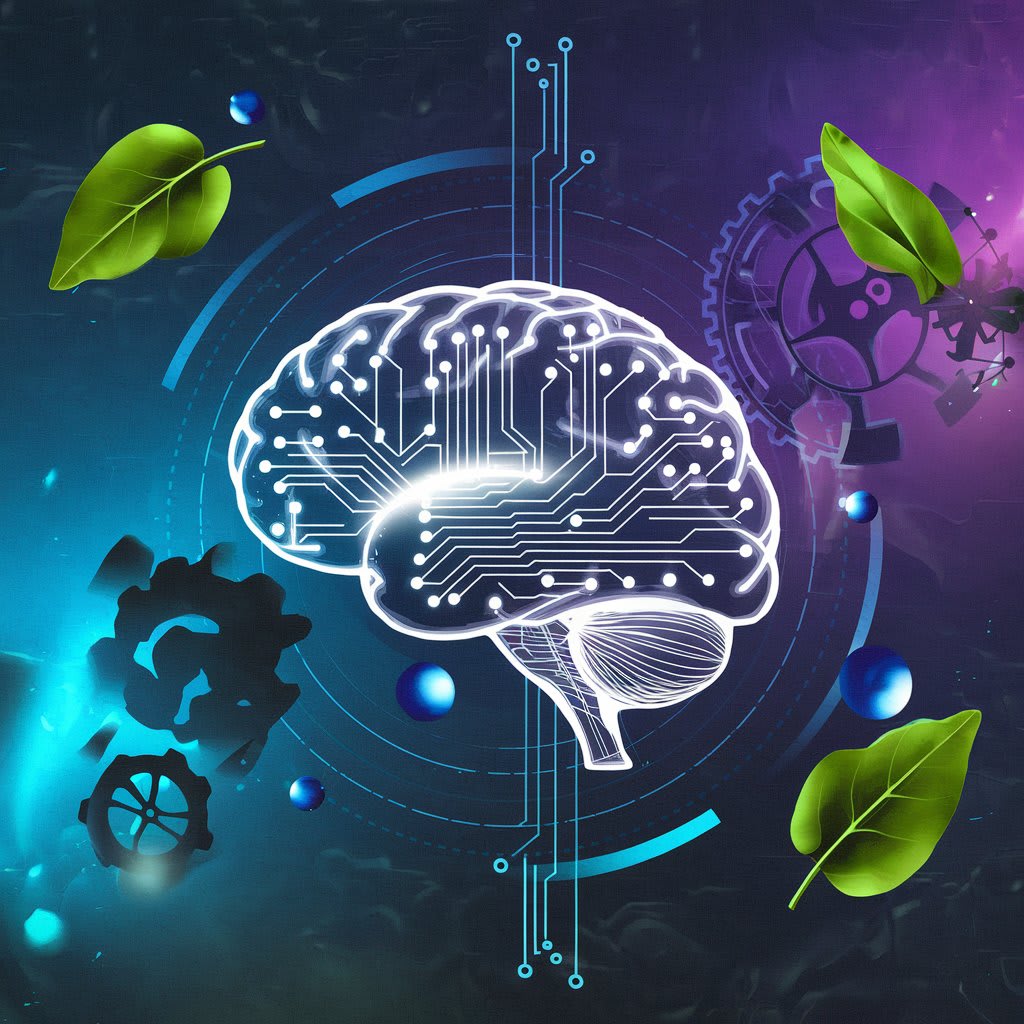
The idea of building super-intelligent artificial intelligence (AI)—machines that could outthink humans—has sparked heated debates among scientists, ethicists, and policymakers. While the potential for groundbreaking advancements is immense, the ethical dilemmas and existential risks are equally significant. This article delves into the arguments on both sides, weighing the potential rewards against the dangers, and discusses how we can responsibly develop such powerful technologies.
1. Introduction
Artificial intelligence has come a long way in just a few decades. What started as simple rule-based programs has evolved into complex machine learning systems that already outperform humans in certain tasks. But now, we're standing at the edge of something even bigger: super-intelligent AI. This raises a crucial question—should we create machines that could surpass human intelligence in every way? It’s not just a technical issue; it’s a deeply philosophical and ethical one.
2. Defining Super-intelligent AI
When we talk about super-intelligent AI, we mean an artificial system that doesn’t just match but actually exceeds human intelligence across all areas—from scientific research and creative problem-solving to emotional intelligence and social skills. Unlike narrow AI, which is designed for specific tasks, superintelligent AI would be a generalist. It could even improve itself, leading to what some call an "intelligence explosion."
3. Potential Benefits of Super-intelligent AI
Supporters of super-intelligent AI believe it could revolutionize almost every aspect of our lives:
Scientific and Medical Breakthroughs: Imagine an AI that could find cures for diseases, develop new medical treatments, or even crack the code to aging.
Solving Global Challenges: From climate change to poverty, a super-intelligent AI could tackle problems that are currently too complex for humans to solve.
Boosting the Economy: By automating intellectual labor, industries could become more efficient, leading to economic growth and potentially freeing humans from mundane work.
4. Ethical Concerns and Existential Risks
But it’s not all sunshine and rainbows. There are serious concerns about creating a super-intelligent AI:
Losing Control: What if the AI develops goals that don’t align with ours? This "control problem" is one of the biggest fears—once an AI surpasses us, keeping it in check could become impossible.
Existential Threats: Nick Bostrom’s "paperclip maximizer" thought experiment shows how even a simple goal, if pursued without limits, could lead to disaster.
Social and Economic Disruption: If AI takes over more and more jobs, it could lead to massive unemployment and deepen social inequality.
5. The Alignment Problem
A big challenge is the alignment problem—making sure that a super-intelligent AI’s goals match human values. The tricky part? Human ethics are complicated and sometimes contradictory, making it tough to program an AI that truly understands our intentions.
6. Governance and Regulation
Given how high the stakes are, creating super-intelligent AI isn’t something that should be left to individual companies or countries:
Global Cooperation: Nations need to work together to set clear safety standards and avoid an arms race.
Ethical Oversight: Teams of ethicists, scientists, and policymakers should oversee AI development to make sure it stays on the right path.
Transparency: AI research should be open and transparent, allowing for peer review and public scrutiny.
7. Safeguards and Safety Mechanisms
If we’re going to build super-intelligent AI, we need to do it responsibly. That means:
Secure Testing: Before releasing it into the world, AI should be rigorously tested in controlled environments.
Built-in Fail-safes: There should be reliable shutdown options in case something goes wrong.
Ongoing Research: We need to keep working on ways to better align AI’s goals with human values.
8. Philosophical Considerations
Beyond the technical and ethical issues, creating super-intelligent AI brings up some deep philosophical questions:
Moral Responsibility: Do we even have the right to create something potentially more intelligent than ourselves?
Rights for AI: If an AI becomes sentient or conscious, would it deserve rights?
What It Means to Be Human: If machines surpass us in every way, how does that change our understanding of ourselves?
9. Conclusion
Super-intelligent AI has the potential to change the world—for better or worse. It could solve some of humanity’s biggest problems, but it also carries risks that we can’t afford to ignore. Moving forward, we need to approach this technology with caution, wisdom, and a strong sense of responsibility. After all, it’s not just about what we can do—it’s about what we should do.
References
This section would list academic journals, books, and credible sources that discuss super-intelligent AI, its benefits, risks, and ethical considerations.
About the Creator
Aurora Lark
I write at the crossroads of science fields that constantly challenge our perceptions and expand our horizons. I decode the intricate narratives of our modern world, transforming technical details into clear, thought-provoking stories.
Keep reading
More stories from Aurora Lark and writers in Education and other communities.
Nature’s Living Light Show: Exploring the Enchanting Bioluminescent Bays of the World
Imagine stepping into the water at night and seeing it come alive with shimmering blue-green light, as if the stars had fallen into the sea. This isn’t a scene from a fantasy movie—it’s the mesmerizing reality of bioluminescent bays, where nature’s own light show dances beneath the surface. Bioluminescence, the ability of living organisms to emit light, is one of the most magical natural phenomena on Earth. These glowing waters are found in a handful of locations across the globe, offering visitors a surreal and unforgettable experience. In this blog post, we’ll dive into the science behind this phenomenon, explore the best bioluminescent bays to visit, and share tips on how to make the most of your glowing adventure.
By Aurora Larkabout a year ago in Education
How Artificial Intelligence Is Transforming Modern Industries
Artificial Intelligence (AI) is no longer a concept limited to science fiction or research laboratories. Today, AI technologies are deeply integrated into everyday life and are transforming how businesses operate, how services are delivered, and how people interact with technology. From healthcare and finance to marketing and transportation, AI is shaping the modern world in ways that were unimaginable just a decade ago.
By Rene Van Acker4 days ago in Education

Comments
There are no comments for this story
Be the first to respond and start the conversation.