
"The Enigmas of Ancient Civilizations"
"Exploring the Lost Mysteries and Secrets of Great Civilizations in History"
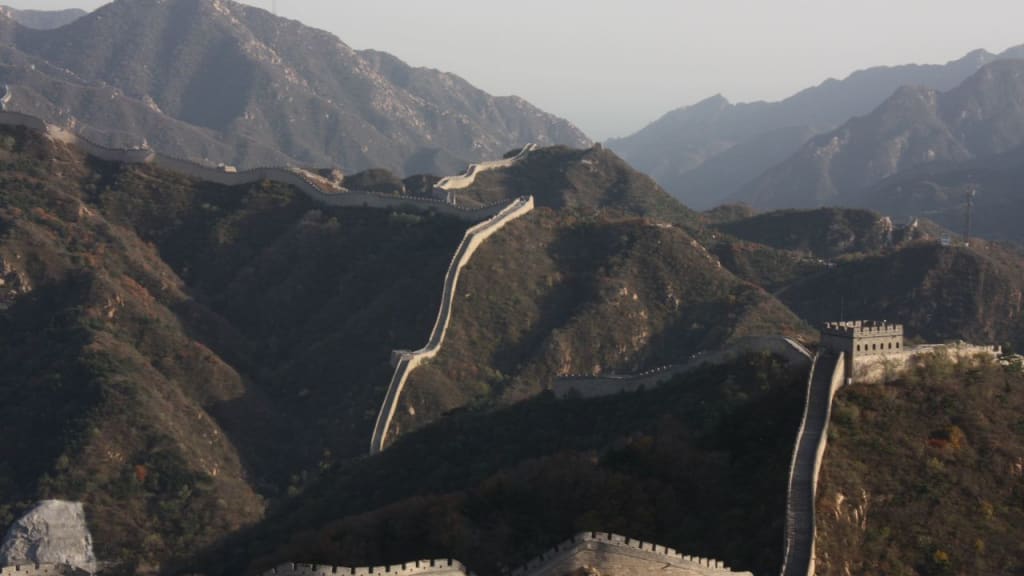
Long ago, humanity witnessed the flourishing of great civilizations that left a lasting legacy in history. Throughout the centuries, these ancient cultures stood out for their achievements in various fields, from architecture and the arts to science and philosophy.
One of these great civilizations was ancient Egypt. For thousands of years, the Egyptians built magnificent pyramids, temples, and monuments that still amaze the world today. Their knowledge of astronomy, mathematics, and engineering allowed them to erect these colossal structures with remarkable precision. Additionally, they developed a complex system of hieroglyphics for writing and left a legacy of religious rituals and beliefs that continue to fascinate scholars.
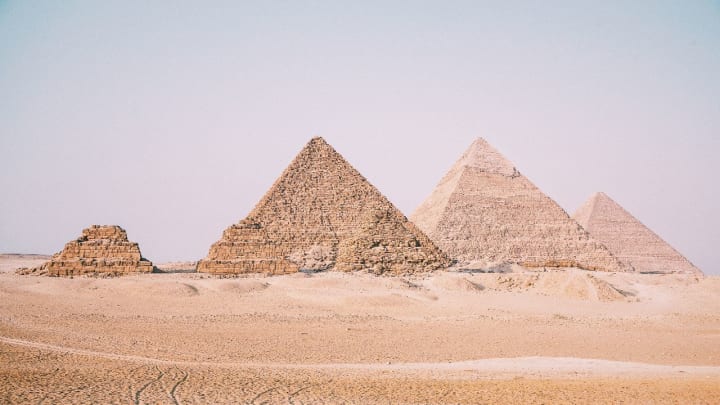
Ancient Egyptian society was highly structured, with a clearly defined hierarchy led by the pharaoh, considered a god on Earth. The Egyptians believed in the afterlife and practiced the art of embalming to preserve the bodies of the deceased. They also built impressive tombs and temples dedicated to their gods, such as the Temple of Karnak and the Temple of Luxor.
The Nile River played a vital role in the lives of the ancient Egyptians, providing water and fertility to the land. Each year, the Nile's floods left fertile soils, allowing for the cultivation of a wide variety of crops. Agriculture was the foundation of their economy, and they grew crops such as wheat, barley, flax, and vegetables.
Ancient Egypt also excelled in the realm of arts. The Egyptians were skilled in sculpture, painting, and decorating their structures with colorful reliefs and murals. Their artworks captured scenes of daily life as well as portraits of pharaohs and deities.
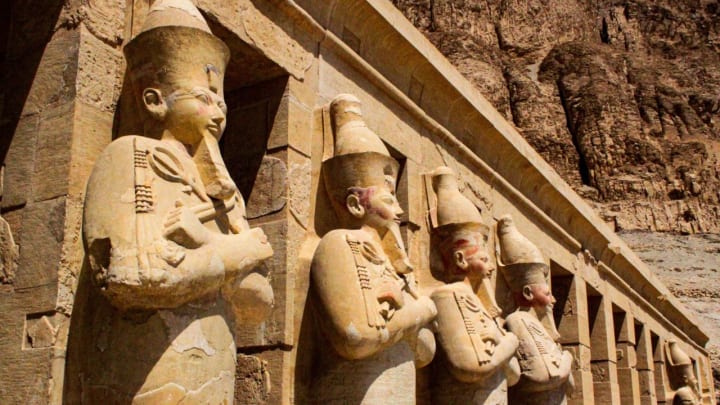
Now we will delve into one of the most remarkable civilizations of South America: the Inca civilization and its architectural gem, Machu Picchu. Located high in the mountains of the Peruvian Andes, this ancient lost city was built in the 15th century and remained hidden and unknown to the outside world until its rediscovery in 1911.
Machu Picchu, known as "The Lost City of the Incas," is an impressive testament to the skill and ingenuity of this pre-Columbian civilization. The city is situated in a remote and strategic location, surrounded by towering mountains and offering breathtaking panoramic views. Its unique architectural design and integration with the surrounding landscape reveal a profound understanding of nature and a respect for the environment.

The Incas were skilled builders and developed advanced engineering techniques to construct agricultural terraces, irrigation systems, and sturdy stone buildings. Machu Picchu features impressive structures such as the Temple of the Sun, the Intihuatana, and the Temple of the Three Windows, showcasing the precision and aesthetics of Inca architecture.
The city also housed a diverse population that played different roles within Inca society. Machu Picchu is believed to have been a political, religious, and cultural center where Inca leaders made important decisions and where ritual ceremonies were held.
The discovery of Machu Picchu has sparked the interest of archaeologists, historians, and travelers from around the world. Its mysterious history and intrinsic beauty make it one of the most popular tourist destinations in South America.
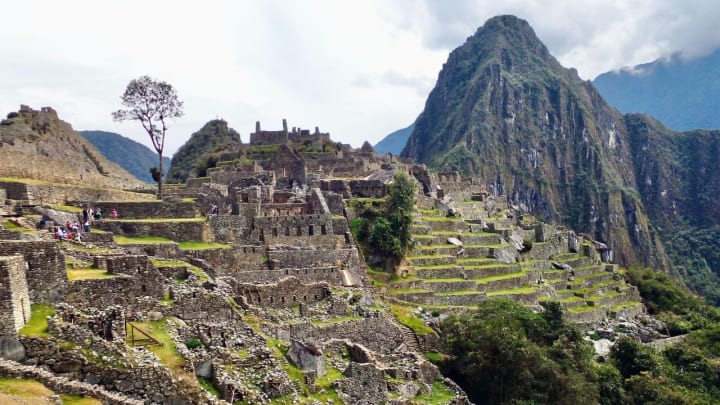
Now, let's embark on a journey through time to explore the fascinating world of the ancient Roman Empire.
The Roman Empire, which spanned from the 1st century BC to the 5th century AD, encompassed vast territories, from the Italian peninsula to Great Britain, and from North Africa to the Middle East. Its capital, Rome, became a center of power and a prosperous city, where great leaders emerged and impressive monuments were built.
With its famous motto "Senatus Populusque Romanus" (The Senate and People of Rome), the empire was built upon a unique political and administrative structure. The Senate and the emperors governed in collaboration, establishing laws and making crucial decisions for the empire.

Romans were renowned for their military prowess and impressive conquests. From the Punic Wars to the expansion campaigns in Britannia and Germania, Roman soldiers demonstrated bravery and discipline on the battlefield.
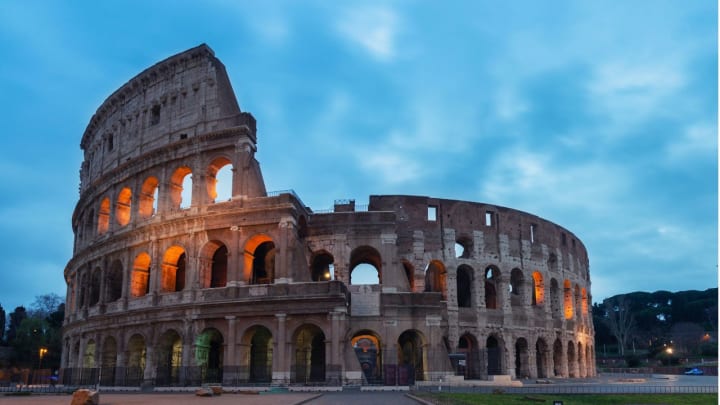
Roman architecture stands as a tangible legacy of their greatness. The Colosseum, the Pantheon, aqueducts, and temples are testaments to the skill and ingenuity of Roman builders. These monumental structures not only impress with their size but also with their architectural precision and beauty.
Roman culture also excelled in the arts, literature, and philosophy. Great poets like Virgil and Ovid, and philosophers like Seneca and Marcus Aurelius, left a literary legacy that has influenced subsequent generations.
However, the empire also faced internal and external challenges that eventually contributed to its downfall. Corruption, power struggles, and pressures from barbarian tribes endangered the empire's stability, leading to its division into the Western Roman Empire and the Eastern Roman Empire.
Now, finally, we will delve into the history of the Chinese Empire. The history of the Chinese Empire spans thousands of years and is marked by a succession of dynasties that ruled over vast territories in East Asia. One of the most prominent periods in this history is the Han Dynasty, which took place from the 3rd century BC to the 3rd century AD. During this time, the empire experienced significant growth in size and power, as well as a flourishing of culture and economy.
During the Han Dynasty, solid administrative structures were established, and policies were implemented to promote stability and development. An imperial examination system was introduced to select government officials, allowing for a meritocracy based on talent and knowledge. Additionally, trade along the Silk Road was encouraged, facilitating the exchange of goods, knowledge, and cultures between China and neighboring regions.
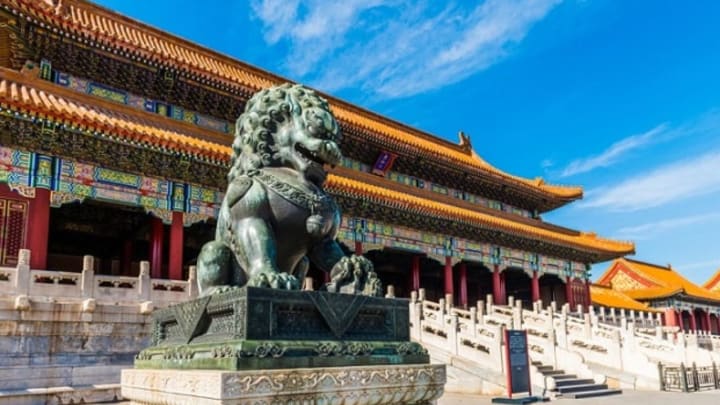
Another crucial period in Chinese history is the Tang Dynasty, which ruled from the 7th to the 10th century. During this time, China experienced an unprecedented cultural and economic flourishing. The empire further expanded, reaching its maximum territorial extent. During the Tang Dynasty, the capital Chang'an (now Xi'an) became one of the largest and most cosmopolitan cities in the world, with a diverse and prosperous population.
In the centuries that followed, the Song Dynasty and the Ming Dynasty marked periods of great scientific, technological, and artistic advancement in China. During the Song Dynasty, significant progress was made in fields such as medicine, astronomy, cartography, and papermaking. Additionally, important literary works were developed, and the study of Confucian philosophy was encouraged.
The Ming Dynasty, on the other hand, is known for the construction of the Great Wall of China and its contributions to art and porcelain. Furthermore, during the reign of the Ming Dynasty, the explorer Zheng He led a series of maritime expeditions that reached as far as East Africa and the Indian Ocean, demonstrating the naval power and reach of the Chinese empire.
Throughout Chinese history, there were also conflicts with the Mongols, and one of the most significant episodes was the invasion led by Genghis Khan in the 13th century. The Mongols, with their formidable army and military tactics, managed to conquer vast stretches of territory, including parts of China.
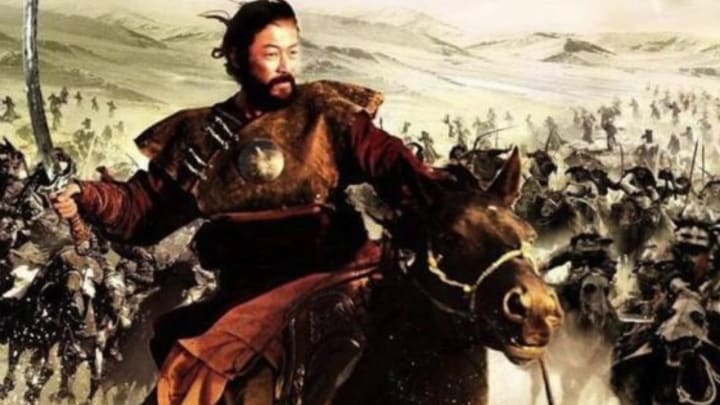
In response to the Mongol threat, the Chinese implemented various defensive strategies to protect their empire. One of these measures was the construction and fortification of the Great Wall of China. Although the Great Wall was not built exclusively to confront the Mongols, it did play an important role in defense against potential invasions.
The construction of the Great Wall began centuries before the arrival of the Mongols and was carried out by different Chinese dynasties over time. However, during the Ming Dynasty, significant expansions and fortifications of the wall were undertaken to counter the Mongol threat.
The Great Wall of China became a formidable defensive barrier, featuring watchtowers, bastions, and strategic passages. Additionally, the wall was backed by military garrisons and an efficient communication system that allowed for a swift response to possible attacks.
The Chinese resistance against the Mongols was a collective effort that involved not only the Great Wall but also military tactics, strategic alliances, and the ingenuity of Chinese leaders. While the wall couldn't completely prevent the Mongol invasion, it did hinder their advance and provided time and protection to Chinese defenders.

Finally, Chinese resistance and adverse geographical conditions played a crucial role in the victory over the Mongols. Guerrilla tactics, mountainous terrain, and the Chinese ability to mobilize quickly were decisive factors in the conflict.
Nowadays, the Great Wall of China has come to be considered one of the wonders of the world and a representative icon of Chinese history and culture. Its architectural magnificence and historical significance have made it a renowned international tourist attraction.
About the Creator
Keep reading
More stories from writers in Education and other communities.
Instructions Included Challenge Winners
For the Instructions Included challenge, we asked writers to tell a story through instructions and to trust the form to carry what could not be said outright. Across the top entries, that trust paid off in many different ways.
By Vocal Curation Team3 days ago in Resources



Comments
There are no comments for this story
Be the first to respond and start the conversation.